
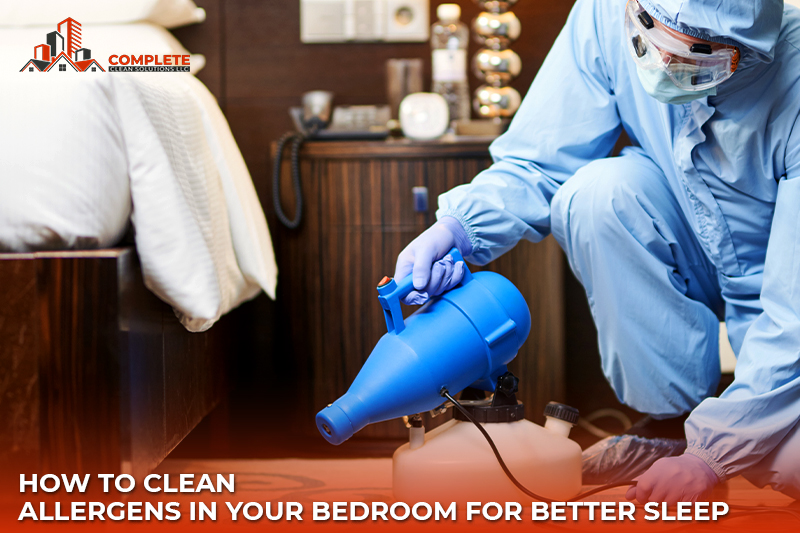
Many people want calm sleep, but hidden dust can cause issues each night. Your room holds dust and dander that move in the air and disrupt rest. You might notice sore eyes or a tight chest when you wake. Simple steps can help you clean allergens in your bedroom for better sleep and build a space that feels soft and pure.
Now, let’s see how small changes can shape your sleep in real ways. Your room can hold mold spores, dust mites, and pet hair that interrupt rest. A clear plan helps you act with ease. You can reduce dust with simple steps that fit your routine and keep your space fresh each night. Clean air supports deep rest today, just what a bedroom cleaning benefits guide is meant to help you achieve.
Fresh habits can keep your room free from new dust each week. You might notice clear skin and calm breath when your room stays clean. Light care works well for many homes. Small acts shape your rest and mood. Your room can hold joy when the air feels pure and soft. These steps help build a space ready for long, deep sleep.
Why Cleaning Allergens in Your Bedroom Matters
How Allergens Disrupt Sleep Cycles
Dust mites, mold spores, and pet dander can lift into the air and block your nose while you rest. These small bits upset the breath and stop deep sleep. High humidity can also help dust grow on soft sheets. A clean room with a strong HEPA filter or air purifier can ease breath and promote calm sleep each night. This helps your body reach deep rest and wake with a clear mind.
Common Bedroom Allergens and Where They Hide
Many dust allergens hide in bedding, rugs, and soft seats. Mold spores can linger near damp walls, while VOCs rise from old paint or strong sprays. Pet dander settles on floors and thin sheets, and poor ventilation traps these particles in the air. Clean floors and steady bedding hygiene can stop this buildup and keep your room pure, showing why affordable regular cleaning plays a key role in a healthier space.
Signs Your Bedroom Has Hidden Allergens

You may feel tight breath at night or wake with dry eyes. You might see thin dust on hard tops or feel small flakes on your bed. Your skin may itch after sleep. A light smell near the walls can show mold spores. These signs mean your room holds more dust mites and pet dander than you think and needs quick care.
Start Strong with Clutter Control for Better Sleep Airflow
Why Clutter Traps Allergens and Dust
Clutter holds dust mites, pet dander, and mold spores in tight spaces. Each small item blocks airflow and lets dust allergens rest on soft tops. Poor airflow keeps these bits in the air and hurts sleep. Clean paths help air move with ease and support steady breath. Simple spaces help your body rest with calm focus.
How to Create an Allergen-Free Layout
Pick a layout that keeps floors open and clear. Use light decor that does not trap dust. Hard floors beat soft rugs since they hold fewer dust allergens. Good ventilation moves air out fast and keeps VOCs low. A small dehumidifier can stop damp walls that grow mold spores. This layout helps you build a clean sleep zone.
Weekly Declutter Routine to Reduce Particle Buildup
Move items off the floors each week and wipe all hard tops. Lift soft sheets and clean them with care to block dust mites. Use a HEPA filter vacuum for deep dust. Keep air purifiers on to clear pet dander and fine bits. This weekly plan stops new buildup and keeps airflow strong for calm sleep.
Deep Clean Bedding and Mattresses to Reduce Bedroom Allergens
Wash Bedding Properly to Kill Dust Mites
Hot water can clear dust mites and mold spores from soft sheets, while warm water won’t reach deep layers. A high-heat wash also lifts pet dander from every fold. This simple step enhances bedding hygiene and helps keep your breathing calm at night. Fresh, clean sheets support deep rest, just as professional deep cleaning helps maintain a healthier, more comfortable home.
Hypoallergenic Sheets and Pillow Covers That Work
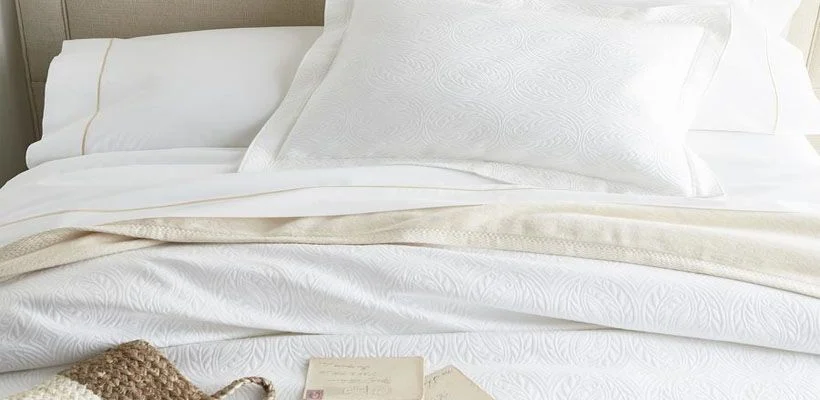
Hypoallergenic bedding blocks dust allergens from soft foam and helps air move with ease. These sheets hold less damp air and slow mold spores in dark spots. Pillow covers also stop pet dander from sinking deep inside. Light fabric sets a clean base for sleep and helps your skin stay calm.
How Often You Should Clean Mattresses and Pillows
Mattresses need a deep clean each month to stop dust buildup. A HEPA filter vacuum can pull dust allergens from each side. Pillows also need sun to clear damp air that helps mold grow. A short air lift can keep the foam dry. These steps hold back dust mites and keep your rest zone pure.
When to Replace Old Bedding for Best Results
Old bedding traps dust mites and fine dirt in soft layers. Thin fabric can hold damp air and grow mold spores. Replace sheets when they feel rough. Replace pillows when they sag or feel heavy. Fresh bedding builds clean airflow and makes each sleep cycle feel smooth.
Improve Bedroom Air Quality with the Right Tools
HEPA Vacuums vs Standard Vacuums
A standard vacuum leaves tiny dust mites on soft floors. A HEPA vacuum pulls small dust allergens with a strong force. It also clears pet dander with ease. The air feels light after one quick pass. A simple tool can make you feel like a sleep hero.
Best Air Purifiers for Allergies
Air purifiers with true HEPA filters catch mold spores and fine dust. These units also lower VOCs from old spray. The air feels clean and soft after steady use. A small purifier can lift your mood at night. Your room gains a fresh tone with this one tool.
Why Ventilation Matters in Allergy Control
Good ventilation moves stale air out fast. Fresh air slows mold spores and dust mites. It also reduces pet dander in the air. A clear flow builds a calm sleep zone. Your breath stays smooth with this simple step. Even a small fan can shape clean nights.
How to Keep Outdoor Allergens Out of the Bedroom
Outdoor dust enters through tiny wall gaps. Weatherstripping can block these weak spots with ease. A small dehumidifier keeps damp air low. This slows mold spores and pollen in your room. Clean air feels like a small gift each night. Your sleep improves with this easy plan.
Manage Surfaces and Floors to Stop Allergen Buildup
Dusting Methods That Remove Allergens Instead of Spreading Them
Soft cloth dusting can push dust mites and pet dander into the air. A damp cloth holds fine dust allergens with ease. Slow wipes pull mold spores from hard tops. A calm swipe feels simple yet strong. This small act feels like a win for your breath. Clean tops shape a pure rest zone.
Why Hard Flooring Reduces Bedroom Allergens
Hard floors hold less dust than soft rugs. Dust mites lose grip on flat surfaces. Pet dander also stays loose and lifts with one easy pass. Mold spores struggle on dry floors. VOCs fade with strong airflow. Hard floors feel sharp and neat and look easy to clean. This switch can lift your sleep mood.
Carpet Maintenance if You Cannot Replace It
Soft carpet traps dust mites and mold spores in deep layers. A HEPA vacuum pulls fine dust with a strong force. Slow passes hold pet dander in the filter. A dry brush lifts loose dirt from tall fibers. A small sun break can dry damp spots. These steps keep the carpet fresh and your room calm.
Wipe Down High-Touch Areas and Hidden Spots
Door tops hold dust allergens you often miss. Bed frames hide pet dander in thin cracks. Mold spores can rest near dark wall gaps. A steady wipe clears these spots fast. This small habit lifts the feel of your room. You gain clean air and a soft mood each night.
Control Moisture to Prevent Mold and Bedroom Irritants
Ideal Bedroom Humidity Levels for Allergy Prevention
Low moisture keeps mold spores weak and slow. High moisture feeds fast growth on soft walls. Aim for dry air that feels light and calm. Dust mites also fade in dry rooms. A small gauge helps you track levels with ease. This balance keeps your sleep zone clear and pure each night.
Detecting Mold and Musty Odors Early
Mold spores grow in dark spots with damp air. A musty smell often appears first. Soft walls may show pale marks or light flakes. Your breath may feel tight near these spots. Early signs help you act fast. A quick check each week guards your room and keeps sleep calm.
Using Dehumidifiers in Allergy-Prone Bedrooms
A dehumidifier pulls damp air from tight spaces. This tool slows mold spores and dust mites. It also keeps pet dander from sticking to soft tops. Dry air feels clean and smooth at night. A small unit works well in most rooms. This act builds a firm base for safe sleep.
How to Fix Small Leaks Before Mold Spreads
Small leaks feed mold spores in hidden spots. You may see dark marks near the floor edges. Dry the area with strong air flow. Patch weak gaps with simple tools. Keep the spot dry for a short time. This stops new growth and keeps your room fresh for steady sleep.
Manage Pet Allergens Even If You Love Your Pets
Simple Rules for Reducing Dander in the Bedroom
Pet dander lifts into the air and rests on soft tops. Keep pets off your bed to lower dust. Brush them outside to drop loose hair. Use hard floors when you can. A quick wipe each day keeps dander low. These small rules help your room hold clean air for calm sleep.
Grooming and Bathing Tips for Allergy Relief
Bathing slows pet dander and dust mites on their coat. Use warm water and a mild wash. Brush their hair while still damp. This lowers loose bits that drift inside. Clean paws after each walk to stop dirt. These steps help your lungs feel light. Your room gains a soft, fresh tone each night.
Using Pet-Specific Filters and Cleaning Tools
Pet filters trap dander that floats near floors. A HEPA filter pulls tiny bits fast. Small rollers lift hair from sheets with ease. These tools work well in tight rooms. Air purifiers catch fine dust and mold spores, too. This mix builds a clean base for sleep and keeps your mood calm.
Seal Your Bedroom from Outdoor Allergens and Drafts
How Window Leaks Bring in Dust and Pollen

Small leaks around old windows let dust allergens and pollen drift inside. These tiny gaps pull air in with each wind push. Mold spores can also ride in and settle on soft tops. A quick hand check helps you feel weak spots. Seal these gaps to keep your room calm and clean at night.
Best Weather strips and Seals for Allergy Control
Strong weatherstrips block dust mites, pollen, and pet dander from entering your room. Soft foam strips fit well on old frames. Thick seal tape also stops drafts and keeps the air still. These tools cost little and save much stress. You get clean air with simple care and a small bit of work.
When You Should Replace Old Windows
Old windows warp and leave wide gaps that let dust allergens in. Glass may shake and drop fine dirt. Weak frames can grow mold spores in damp air. Replace windows when frames feel loose or wet. New frames hold firm and keep air pure. Your sleep feels steady with this clear fix.
Choose Low-Allergen Decor and Furniture for a Cleaner Space
Materials That Do Not Trap Allergens
Hardwood, wood, glass, and metal hold fewer dust allergens than soft fabric. These firm tops give dust mites no deep place to hide. Mold spores also struggle on dry, hard surfaces. Pet dander lifts off with one soft wipe. These safe picks keep your room neat and help you breath and stay calm at night.
Minimalist Decor that Supports Allergy-Free Living
A clean layout leaves less space for dust mites and fine dirt. Fewer items stop mold spores from resting in dark spots. Wide floors help air move with ease. Light decor also adds a simple charm to your room. This style keeps stress low and builds a pure sleep zone with real comfort.
How to Keep Soft Furnishings Clean and Fresh
Soft seats can trap dust allergens and pet dander deep inside. Use a HEPA filter vacuum on foam tops each week. Place items in warm sun to dry damp air that feeds mold spores. A light wipe keeps a fresh scent in the room. These steps hold a clean mood and help your sleep feel smooth.
Non-Toxic Cleaning Products for an Allergy-Safe Bedroom
Why Harsh Chemicals Make Allergy Symptoms Worse
Harsh spray can raise VOCs and sting your nose at night. A strong scent can wake you and set off a dry cough. These products also push dust allergens into the air. Mold spores can lift from weak spots after each spray. A non-toxic plan keeps the air soft and clear. Your sleep feels calm with this simple shift.
Best Non-Toxic Bedroom Cleaners
Non-toxic cleaners lift dust mites and pet dander with ease. Mild soap works on hard tops and soft seats. Plant wash slows mold spores on walls. These gentle picks keep your room pure and light. Your breath stays smooth, and your skin feels safe. This simple plan builds a clean base for steady sleep.
DIY Allergy-Safe Cleaning Mixes
Warm water with mild soap clears fine dust from most spots. Baking soda lifts dirt from soft seats and holds back mold spores. Vinegar water slows VOCs on old paint. These mixes feel safe and easy to make. You save costs with each batch. Your room gains a soft, clear mood each night.
Monthly Maintenance to Keep Allergens Under Control
Simple Monthly Checklist for Allergen Control
A monthly plan keeps dust mites and mold spores low. Clean soft sheets with hot water for strong care. Use a HEPA vacuum on all floors and seats. Wipe hard tops with mild soap to clear dust allergens. Check wall edges for damp spots. This simple list holds clean air and steady sleep each night.
Seasonal Bedroom Cleaning Tips for Allergy Sufferers
Each season brings new dust and fresh pollen. Open air in dry months for a short time. Close windows on high pollen days to hold clean air. Use an air purifier with a true HEPA filter for extra help. Lift soft seats into the warm sun to stop mold spores. These small acts protect your sleep zone.
When to Deep Clean Your Bedroom
Deep clean when the air feels heavy or dull. Move beds and wipe hidden spots with mild soap. Use a HEPA vacuum on all sides of your mattress. Check soft rugs for pet dander and fine dirt. Clean walls that show pale marks. A deep clean lifts mood and brings clear air for calm rest.
When It’s Time to Call a Professional Cleaner
Signs You Need Expert Allergy Cleaning
You may need help when dust sits on hard tops each day. Your breath may feel tight at night. You may see pale marks on walls that hint at mold spores. Pet dander may stay on soft seats after each clean. These signs show your room needs strong care from an expert team.
What a Professional Allergen Cleaning Service Does
A pro team clears dust mites from deep spots with strong tools. They use HEPA units that pull tiny bits from your air. They clean rugs, seats, and walls with a mild, safe wash. They also check damp areas that feed mold spores. This work builds a firm base for clean air.
How Pro Cleaning Improves Sleep Quality
Pro care keeps dust low and the air soft. Your breath feels smooth at night. Your skin feels calm on clean sheets. A clear room holds fewer triggers like pet dander and fine dust. This fresh space helps you rest with ease. You wake with a light mood and steady focus.
Conclusion
Clean allergens in your bedroom for better sleep with simple, steady care. Wash soft sheets in hot water to clear dust mites, use a HEPA vacuum on floors and seats, and keep hard surfaces free of dust. Lift soft items into warm sunlight to freshen them naturally. These steps help reduce mold spores and pet dander and keep your air light, an approach CCS Complete Clean follows to support a healthier home.
Steady care builds a calm space for deep rest. Dry air slows dust growth and keeps your lungs at ease. Clean floors and a safe wash hold fine dust away. Light airflow also helps remove small bits. Your breath feels smooth at night. You wake fresh and feel ready for your day.
A simple routine keeps your room pure each week. Use a safe spray to clean hard tops. Check walls for damp spots that feed mold spores. Wash pillows with warm water for strong care. Keep pets off your bed to lower loose dander. This plan builds a clean base for real rest each night.
FAQs
Most bedroom allergies come from dust mites, pet dander, and mold spores. These tiny bits rest on soft sheets, floors, and dark wall spots. Weak airflow can also hold fine dust in the air. Clean tops and dry rooms help stop these triggers and keep your breath calm.
Wash soft sheets each week in hot water to clear dust mites. Clean pillow covers with warm water for strong care. Lift blankets into the warm sun to dry damp spots. These steps hold mold spores low and help your room stay pure for calm sleep.
An air purifier with a true HEPA filter can catch tiny dust allergens. It also lowers pet dander and mold spores in your room. Yet some bits stay on sheets and floors. You still need steady cleaning to hold clear air and soft nights.
Use a HEPA vacuum to pull dust mites from deep carpet fibers. A slow pass lifts fine dust and pet dander. Place rugs in the warm sun to dry damp air. These steps slow mold spores and keep your room light.
Clutter holds dust allergens in tight spots and weak corners. Dust mites hide in piles and lift into the air at night. Mold spores can rest in dark gaps. Clear floors help air move with ease and keep your breath smooth.