

Why a Deep Clean Matters for Garages
A garage floor always tells a story, and some stories stay buried under dust and oil until you clean them right. Over time, dirt, oil, and grease build up in garages used for parking or repair work. These layers settle into concrete pores slowly. They stay firm unless removed with steady, deep cleaning.
A simple sweep helps surface dust move away, but it cannot reach deeper grime that hides under daily buildup. A strong, deep clean lifts old layers well, and it helps natural methods to remove oil stains work better across rough concrete.
A one-time sweep or mop isn’t enough to handle deep oil stains that sink into concrete. Oil moves into pores fast, and it dries hard inside small gaps that hold grime for months.
Sweeping removes light dust easily, but soaked stains stay locked until you scrub or use safer cleaning products. This is why most homes need garage floor cleaning with steady rinsing, as proper care and professional deep cleaning help your garage stay spotless and last longer.
Promise: This guide explains the full cleaning process, and it shows how steady work can make an old garage floor look close to new again. You will see simple steps that help reduce grime. You will find clear ways to keep floors clean longer. This deep cleaning method also Removes Dust and Oil Stains from Garage, and it helps your floor stay stronger over time.
Dust vs Oil: What Makes Them Hard to Remove
Understanding the Enemies: Dust, Dirt, Oil, and Grease
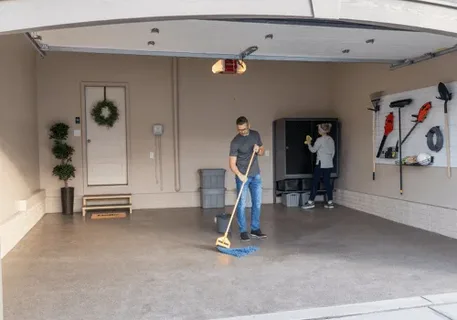
Dust and loose dirt gather daily. They stay on the surface until you move them. Light sweeping clears most loose dust fast. A soft dust‑mop helps grab small particles without spreading them again. These steps keep dust from turning messy later. They support smoother garage floor maintenance tips for steady daily care. Regular sweeping reduces buildup in corners. It keeps the floor easier to manage.
Oil and grease stains move deep into concrete pores when left for hours. They harden fast once they dry. These stains settle under the surface where sweeping cannot reach them. They cling tightly to rough concrete layers. This makes it harder to remove grease stains garage floor without using scrub brushes and strong cleaners. These tools reach deeper levels. Early cleaning slows stain movement. It keeps oil from spreading further.
Concrete floor cleaning needs more than sweeping because concrete is rough and porous. Each pore traps dirt easily, and grime settles fast into deeper gaps. Moisture pushes oil downward with slow pressure across the surface. Deep cleaning removes buildup that sweeping leaves behind. Strong rinsing clears older grime and helps floors stay firm through heavy use. These careful steps are similar to the process in a guide on how to clean your air ducts, ensuring thorough cleaning and long-term maintenance.
Step 1: Clear and Dry-Sweep the Garage Floor
Remove items, tools, and clutter so the floor stays open for deep cleaning. This keeps every area open, and it makes movement easier during work. A clear space reduces the spreading of dust, and it helps you see stains that need attention. It also improves safety, and it prepares the floor for deeper steps.
Use a stiff broom to sweep away dirt and debris. This stops loose dirt from turning muddy when you add water later. Sweeping clears fine dust from cracks, and it keeps grit from scratching the concrete. These steps prepare the floor well, and they help make later cleaning feel easier.
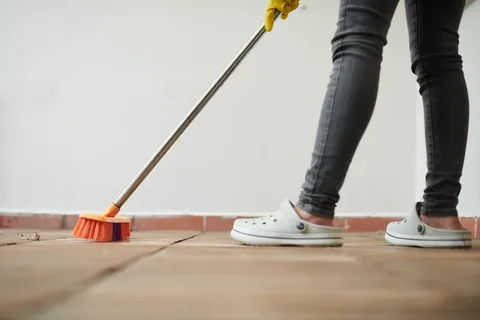
For light cleaning, sweep weekly or every other week to hold dust down. For deeper care, schedule cleaning every few months based on traffic and use. These habits protect concrete strength, and they prevent buildup that becomes harder to remove. Regular sweeping supports simple garage floor maintenance tips, and it helps steady the cleaning concrete garage floor.
Step 2: Pre-Treat Oil or Grease Stains
For new spills, absorb excess oil with cat litter or baking soda. These materials pull oil upward, and they stop stains from moving deeper. They also keep the spill from spreading, and they help protect nearby areas from marks. They reduce early surface soaking, and they slow deep stain formation across concrete.
Let the absorbent sit for hours or overnight before sweeping it up. This step keeps oil from soaking further, and it supports stronger cleanup later. Longer sitting time improves absorption, and it helps lift more oil from concrete pores. This slow pull helps loosen deeper residue, and it prepares the stain for stronger scrubbing. These actions also guide you on how to remove oil stains from concrete, and they make deep cleaning more effective.
These steps help you absorb fresh oil spill garage floor with simple items, and they support how to remove oil stains from garage floor when doing DIY garage floor cleaning. They also prepare the stain for deeper cleaning, and they make scrubbing easier in the next step. This early work saves later effort, and it keeps long stains from growing stronger.
Step 3: Scrub and Degrease for Set‑In or Older Stains
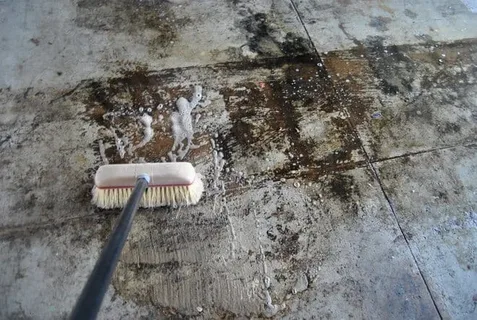
Make a paste using baking soda and water for light stains. Scrub the stain with a stiff brush, and keep pressure steady for better lifting. This lifts surface oil gently without harming concrete. The paste breaks down thin layers, and it helps loosen fresh residue.
For deeper stains, use a concrete degreaser for garage floor made for heavy grime. Let it sit for several minutes so the cleaner can reach deep layers. Then scrub the area with firm strokes, and rinse once the stain begins loosening. These products soften tougher marks, and they help remove older buildup.
Rinse with clean water after scrubbing, and use a pressure washer for larger areas. Strong rinsing is the best way to clean garage floor. It helps during pressure washer garage floor cleaning when you scrub concrete garage floor stains. A pressure washer reaches deeper gaps, and it clears residue that brushes may miss.
Step 4: Treat Persistent, Deep, or Old Oil Stains
For deep stains, mix baking soda or another absorbent with a solvent like acetone. This creates a poultice that pulls oil upward from concrete pores. The mix holds strong contact, and it breaks heavy residue with slow action. It also prevents oil from spreading, and it keeps each stain contained.
Spread the poultice on the stain and cover if needed. Let it sit for several hours so the mix can work slowly. After dwell time, scrub or sweep the residue away with calm pressure. This helps loosen deep layers, and it removes older grime that has stayed trapped.
Rinse well once the poultice dries, and check the stain before repeating. Some stains may need repeated treatment, especially hard, old oil stains garage floor that sink deep. These poultice concrete oil stain removal steps support deeper DIY garage floor cleaning for older marks. They reach tough layers inside concrete, and they help bring stains back to the surface.
Aftercare (Maintenance and Prevention Tips)
Keep Your Garage Floor Clean (Longer)
Use mats or drip trays under cars or benches to catch leaks early. These tools keep stains from spreading, and they help floors stay clean longer. Mats also protect high-traffic areas, and they reduce direct contact between oil and concrete. They improve daily care, and they support steady garage floor maintenance tips for simple upkeep.
Seal your concrete floor to lower porosity and reduce deep staining. A sealed floor stays smoother, and future spills wipe up faster. Sealing adds a protective layer, and it slows the movement of oil into pores. This step improves long-term durability, and it helps maintain concrete garage floor strength through heavy use.
Clean spills fast when they appear because fresh oil is easier to lift. Waiting allows oil to settle deep, and old stains take more work. Quick cleanup reduces the chance of deep marks, and it keeps the surface from darkening over time. This habit protects concrete strength, and it supports simple routine care.
Create a steady garage floor cleaning schedule, sweeping every few weeks. These steps support long-term care and help maintain concrete garage floors with ease. Regular routines prevent stubborn buildup and keep your garage cleaner with less effort. These habits also help you decide how often to clean your garage floor. For larger spaces or professional results, hiring the best office garage cleaning services ensures thorough maintenance and saves time in the long run.
Common Mistakes to Avoid
What NOT to Do When Cleaning Your Garage Floor
Do not mop and assume the job is done because mopping rarely cleans oil. Household cleaners lack strength, and they cannot remove deep grime. Mopping spreads thin layers around, and it leaves deeper stains untouched. It also hides early marks, and it delays proper cleaning. Mopping adds moisture that spreads dirt, and it pushes residue across the floor.
Avoid strong chemicals unless your floor is sealed and you use proper gear. Some cleaners may damage concrete, and harsh use causes surface wear. Strong solvents break coatings fast, and they dry concrete with repeated use. Use safer products first, and test any cleaner in a small area. Harsh chemicals can weaken floors, and they may affect sealers over time.
Do not ignore small spills because oil moves deep when left alone. Quick action stops heavy stains, and it protects concrete from long‑term damage. Small spills become deep marks fast, and they harden inside pores with time. Clean them early to prevent spread, and keep the floor easier to maintain. Early cleanup reduces deeper soaking, and it keeps stains from becoming permanent. This simple habit also Removes Dust and Oil Stains from Garage, and it helps the concrete stay cleaner for longer periods.
Conclusion
A Cleaner, Longer‑Lasting Garage Floor Is Within Reach
A combined workflow supports stronger cleaning and better stain control over time. Sweeping removes loose dust early, and pre-treating helps control oil before it settles. Scrubbing lifts deeper grime from concrete, and rinsing clears residue that hides in pores. Sealing blocks future stains, and it keeps the floor stronger through heavy use. These combined steps remove dust and oil, and they help concrete stay cleaner for longer periods.
Use regular maintenance to keep stains away and lower cleaning time. Small actions prevent heavy buildup and support steady care throughout the year. Light sweeping holds dust down, and quick cleanup stops deeper marks from forming. These habits make the floor easier to manage and ensure cleaner results after each wash. Following tips from CCS Complete Clean also aligns with environmentally friendly garage cleaning methods and helps reduce waste during long-term care.
Try this cleaning plan and share results or ask questions for more help. Engagement builds support, and shared ideas help more people improve their cleaning steps. Your feedback helps others learn, and your results can guide new readers with simple, proven methods.
FAQs
Deep clean every few months based on traffic and use. Heavy traffic adds more dust, and frequent repairs leave more residue. Deep cleaning removes fine grit, and it keeps concrete pores clear. This routine slows surface wear, and it helps maintain durability.
Use absorbents like baking soda or litter, let sit, then sweep. These materials pull oil upward, and they reduce early surface soaking. Fresh oil lifts faster, and it leaves fewer deep marks. Acting early keeps concrete cleaner, and it lowers the need for later scrubbing.
Yes, but poultice methods work better on deep or older stains. Baking soda helps surface spots, and it loosens light residue. Older stains sit deeper, and they need solvent-based mixes. These mixes draw oil upward, and they clean pores more effectively.
No, but it helps clean large areas faster with deeper rinsing. A pressure washer reaches small gaps, and it removes trapped grit. Manual scrubbing works well, and it handles small spaces easily. Use pressure only when needed, and keep a steady distance during cleaning.
Yes, strong stains need degreasers to lift oil from deep pores. Degreasers break heavy buildup, and they loosen old residue. Light cleaners struggle with thick layers, and they leave marks behind. Use concrete-safe products, and follow instructions for best results.
Use mats and clean spills quickly. Mats catch leaks early, and sealers reduce deep soaking. Quick cleaning removes fresh oil, and it protects the concrete’s strength. These steps lower stain risk, and they make maintenance easier.
Yes, sealed floors resist staining and clean up far faster. Sealers block deep absorption, and they strengthen surface layers. This helps spills wipe off quickly, and it prevents long-term marks. Reseal floors as needed, and inspect surface wear regularly.