
No one wants their bathroom look dirty after cleaning it. But that is what hard water does to your space. Those white, crusty marks show up on everything. Your faucets look old and neglected. Shower doors turn foggy and gross. Even your toilet bowl gets brown rings that seem impossible to remove.
Most people think strong cleaners are needed for this task. That idea is not true at all. Natural cleaners make bathroom shine with basic pantry items can remove hard water stains easily. White vinegar works magic on those mineral deposits. Baking soda lifts gunk off without leaving scratches behind. These two items beat expensive store products every time. They cost pennies and smell way better, too. Your family stays safe from harsh fumes. Your budget stays in good shape as well.
So what will you learn here? This guide shows you how to tackle hard water stains on every surface. We go through showers and tubs first. Then faucets and tiles get their own sections. Toilets need special tricks, so we cover those too. You will also find ways to stop stains from coming back. Natural cleaning solutions do the heavy lifting throughout. By the time you finish reading, your bathroom will have a clear path to looking fresh again. Let us jump right into the good stuff.
Why Hard Water Stains Are So Stubborn?
You scrub your bathroom every week. You use good cleaners and spend real time on it. But those white spots keep coming back like clockwork. This frustration hits almost every homeowner at some point. Hard water buildup makes your space look neglected, no matter what you do. Your bathroom deserves to shine, but these stains steal that away. The dull foggy look takes over your glass and chrome surfaces. Regular cleaning just does not seem to cut it anymore.
The Hidden Damage You Cannot See.
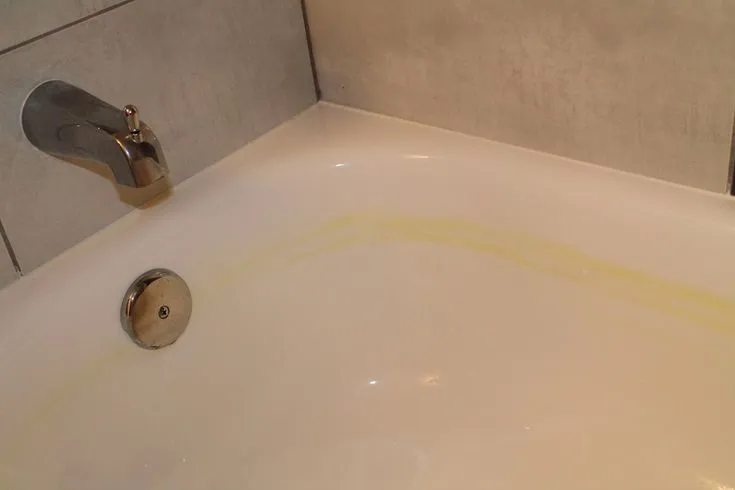
Those ugly marks are not just a looks problem. Professional deep cleaning shows that mineral deposits on bathroom surfaces can cause real damage over time. Glass doors get etched and lose their smooth finish forever. Tile grout absorbs minerals and starts breaking down slowly. Faucets stop working right when the buildup clogs the tiny holes. Ignoring these stains costs you money in repairs later. Acting fast saves your fixtures and your wallet, too.
Simple Fixes That Actually Last
Here is the good news for your bathroom. Tough stain removal does not require professional help or fancy tools. Simple household items break down even old, stubborn deposits. The right methods stop stains from returning so quickly. You just need to know what works and what fails. This guide gives you proven steps that real people use daily. Your bathroom can look hotel-clean again starting this week.
1. Removing Hard Water Stains from Showers and Bathtubs
We have all been there before. You finish cleaning, and the glass still looks cloudy. White patches on your tub mock all your hard work. Trust me, this happens in almost every home. But here is some relief for you today. These bathroom cleaning tips fix the problem without costing much.
Why Showers and Tubs Get Stained
Your shower deals with water constantly every single day. Quick morning rinses. Long evening soaks. Kids are making a mess everywhere. Each water drop deposits tiny mineral flakes behind. Those flakes harden and grip your surfaces super tight. Throw soap into the equation and trouble doubles fast.
How to Clean Them the Right Way
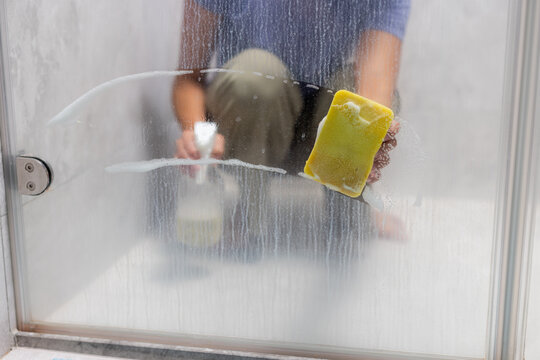
This method has never failed, so grab a spray bottle and fill it half with vinegar. Then add an equal amount of water and shake it. Spray your surfaces until they are completely wet. Step away and wait for about 20 minutes. The vinegar breaks down minerals while you rest.
2. Cleaning Faucets and Showerheads
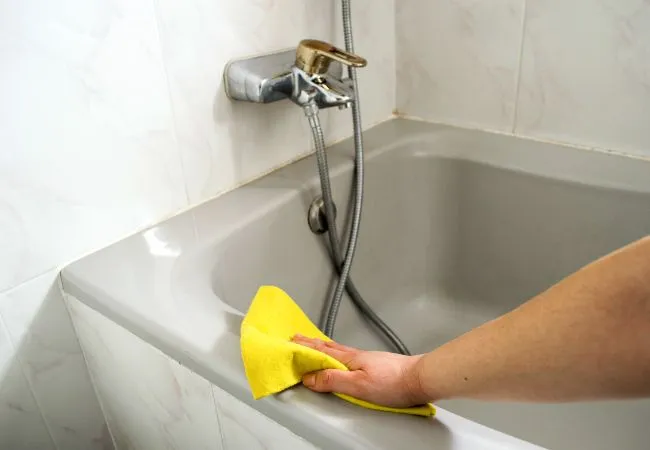
Your faucets should sparkle, but they look crusty instead. That showerhead barely sprays right anymore. Water comes out in weird directions or weak dribbles. Sound familiar? Metal fixtures show every single water spot clearly. But getting them clean again takes just minutes, honestly. These bathroom shine tips bring back that store-bought look.
Common Stains on Metal Fixtures
Take a close look at your bathroom faucet right now. See those white chalky rings around the base? That is limescale building up day after day. The handles probably have cloudy patches on them, too. Water spots dot the spout like tiny fingerprints everywhere. Your showerhead suffers even more from this junk. Minerals clog those tiny spray holes over time. That explains why water shoots sideways randomly. Chrome and steel show this damage the worst of all. Even nickel finishes lose their shine pretty fast.
Step-by-Step Removal That Works
Showerheads come off easily for deep cleaning sessions. Unscrew yours and drop it in a bowl of vinegar. Let it soak for two or three hours minimum. Overnight works best for really clogged ones, though. Cannot remove your showerhead from the wall? Fill a plastic bag with vinegar instead. Tie it around the head with a rubber band tight. Morning comes, and minerals have dissolved away completely.
For faucets, grab an old toothbrush you do not need. Dip it in vinegar and scrub around every curve. Get into those tight spots near the handles, good. Hard water spots on the spout need a baking soda paste. Mix it thick and rub it on with your fingers directly. Rinse clean and dry with a soft cloth right after.
3. Tackling Hard Water Stains on Toilets
Okay, let us talk about the toilet problem. I know it is not glamorous. Someone still needs to say it. Those ugly rings inside your bowl drive everyone crazy. Brown streaks and white crusty lines show up out of nowhere. Guests notice this stuff even when you wish they would not. The thing is, these stains happen from water, not from being gross. Here are some how to clean a bathroom guide toilet cleaning hacks that actually get results.
Why Toilets Get Mineral Deposits
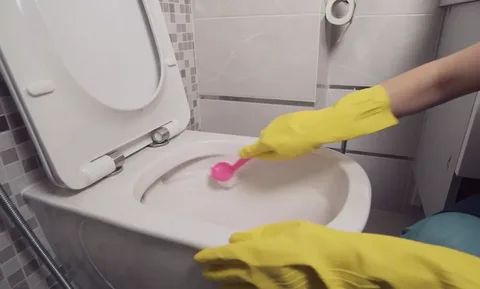
Think about your toilet for a second here. Water sits in that bowl around the clock, nonstop. It never gets a chance to dry out ever. So minerals just keep stacking up layer after layer. The waterline catches the worst of this buildup first. Those white and brownish rings start forming right there. Check under the rim sometimes with a small mirror. You will probably find crusty stuff hiding up there, too.
Here is something most folks do not realize, though. Porcelain scratches way easier than it looks. Rough scrub pads leave tiny grooves in the surface. Those grooves become traps for more gunk later on.
Simple Fixes That Cost Almost Nothing
You likely have white vinegar in your kitchen already. Grab it now and pour two cups into the bowl. Leave it alone for one full hour. Really nasty stains? Leave the vinegar in there overnight instead. It works slowly but breaks down those mineral layers bit by bit. Next morning, just scrub with whatever toilet brush you have.
When You Need Something Stronger
Old stubborn rings laugh at vinegar alone sometimes. Add baking soda after the vinegar soak for extra punch. Dump half a cup around the bowl edges generously. Everything starts fizzing and bubbling up immediately. That bubbly action pulls the gunk loose from porcelain. Scrub it all down good and flush twice after. These natural cleaning solutions work better than harsh chemicals, honestly.
4. Preventing Hard Water Stains in Bathrooms
I am tired of scrubbing the same spots every weekend. You probably feel the same way about it, too. The secret is stopping stains before they even show up. Why clean messes when you can avoid them altogether? Learning to prevent hard water stains saves so much energy. Keep reading because this part changes everything, honestly.
Daily Habits That Make a Huge Difference
My friend told me this trick years ago. Just wipe stuff down after you use the bathroom. Seriously, that is the whole secret right there. Hang a cheap squeegee on your shower wall today. Run it over the glass and walls when you finish showering. Thirty seconds, and you are done completely. Minerals only stick when water sits and dries on things. No sitting water means no crusty white buildup later.
Your faucets need the same quick attention daily. Keep a rag under the sink for easy grabbing. Wipe handles and spouts whenever you notice water drops. Mix vinegar and water in a spray bottle and spray the mixture in the whole bathroom. This DIY bathroom cleaning habit stops buildup from forming fast.
Long-Term Fixes Worth Considering
Want stains gone for good, basically? A water softener removes minerals before they reach your bathroom. The upfront cost pays off through easier cleaning forever. Protective layers on glass and tiles also block mineral deposits. These sealants make water bead up and roll right off. Eco-friendly bathroom cleaning starts with stopping the problem at its source.
5. Natural Cleaning Hacks for Tough Stains
Have you seen those warning labels on bathroom cleaners? Skulls and danger signs stare right back at you. That stuff sits on your tub where your kids play. It never sat right with me, to be honest. I tossed those bottles out a couple of years ago. Now I clean with things from my pantry instead. These affordable office cleaning solutions work great on the worst gunk.
Vinegar, Baking Soda, and Lemon Solutions
Open your kitchen cabinet and look around in there. You already own the best bathroom cleaners, believe it or not. White vinegar eats through crusty mineral junk fast. Baking soda lifts stains without leaving scratch marks behind. Fresh lemons cut grease and leave everything smelling fresh.
For vinegar cleaning bathroom jobs, fill a spray bottle halfway. Add water to the top and shake it up good. Spray the gross spots and walk away for fifteen minutes. Come back and wipe everything down with a wet rag. Check your work and repeat on stubborn areas if needed.
Really nasty buildup calls for the paste method, though. Dump some baking soda into a small bowl first. Add water slowly until you get a thick paste going. Smear the paste on every crusty area you see. Cut a lemon and squeeze it right on there. Go do something else for about ten minutes now. Grab a soft brush and scrub in small circles. Hit it with water and towel dry after that.
Benefits of Eco-Friendly Cleaning
Little kids put their hands everywhere in the bathroom. Dogs drink toilet water when you turn your back. Baking soda bathroom cleaning keeps them all safe from chemicals. No toxic residue gets left behind on any surface. Your fixtures last longer with gentle cleaners, too. Harsh stuff wears down chrome and tile over time. Vinegar and baking soda remove hard water spots safely. Your bathroom stays clean, and your surfaces stay protected.
Conclusion
Dealing with hard water stains does not have to ruin your weekends. With CCS Complete Clean, you now know how to tackle hard water stains using simple stuff. Vinegar and baking soda manage most bathroom messes easily. Your faucets and shower glass can shine again for real. Toilets lose those ugly rings with overnight soaking tricks. Every method in this guide costs pennies to try out. No fancy products or professional help needed at all.
Staying consistent makes the biggest difference over time, though. Quick daily wipes stop mineral buildup before it starts. A squeegee after each shower takes thirty seconds max. Water softeners fix the problem right at the source. Your bathroom stays cleaner with way less effort each week. Natural cleaning solutions keep your family safe from harsh chemicals, too. Ready to clean your space again? Call now for more cleaning guidance from people who get it.
FAQs
Go check your kitchen for white vinegar today. Fill a spray bottle with half vinegar and half water. Spray it on the stained spots until dripping wet. Do something else for about fifteen minutes or so. Come back and wipe it clean with a wet rag. Stubborn gunk needs a baking soda paste to break down. These two items run you maybe three bucks total.
Most bathroom stuff handles vinegar just fine, actually. Your toilet and shower glass will be totally okay. Porcelain sinks and tubs can take it too. But hold off on marble or natural stone tiles. The acid messes those up pretty badly over time. When in doubt, try a small hidden spot first.
The fix takes almost no effort at all. Just dry stuff off after water touches it. Put a small towel right by your sink now. Stick a cheap squeegee on your shower wall, too. Give everything a vinegar spray once a week. Minerals cannot build up on dry surfaces ever.
For everyday messes, they do the job perfectly. My bathroom looks better now than when I used chemicals. Vinegar and baking soda really pull their weight around here. Super old stains might need store-bought stuff sometimes. But weekly cleaning with natural stuff works great.
Quick wipe-downs should happen every day if possible. Deeper cleaning works best on a weekly schedule. Once a month, go at it with baking soda paste. Stick to this routine, and stains barely show up anymore.