
Your kitchen may look clean, yet hidden kitchen cleaning mistakes still hide everywhere. Shiny counters can fool eyes while germs wait quietly. Most homes clean fast and miss risky spots daily. This guide opens eyes with truth, not fear. You might feel safe cooking tonight, but unseen grime laughs back slowly. Many forget food safety rules until smells or stains appear. Later regret often follows.
Hidden kitchen cleaning mistakes often grow from habit, not care. People rush to wipe surfaces and skip deep zones around kitchen appliances. This home cleaning guide shares kitchen cleaning tips that work daily. You will learn to avoid germs in the kitchen with calm steps. Better kitchen hygiene tips support meals, mood, and trust. Small fixes today protect health tomorrow. Deep kitchen cleaning builds pride and peace for every home.
Why Hidden Kitchen Cleaning Mistakes Can Harm Health?
Emotional Hook
A messy kitchen looks harmless, but hidden kitchen cleaning mistakes invite illness daily. Germs spread from boards, sinks, and cloths quickly. Children, elders, and guests face risk without warning. Food touches dirty zones and then reaches mouths. Kitchen hygiene tips matter because sickness starts small. You might notice smells, slime, or stains later. By then, harm already grows silently inside homes. Health suffers when care slips.
Value Promise
Learn why hidden kitchen cleaning mistakes appear during busy days. Many skip deep kitchen cleaning instead of scheduling professional deep cleaning and trust quick wipes. This section shares kitchen hygiene tips that stop the spread early. Simple habits protect food safety in the kitchen every day. You gain calm control, pride, and trust. Avoid panic fixes later through steady, proper kitchen maintenance. Health stays strong for families always. Results last with effort daily.
1. Neglecting High-Touch Surfaces
High-touch areas hide danger during daily cooking routines. Hidden kitchen cleaning mistakes start with ignored contact points. Hands move from phones to food without thought. Handles switches and taps collect grime all day. Kitchen hygiene tips matter because germs spread fast. Families trust clean looks and miss real risk. These surfaces shape health more than counters. Awareness helps avoid germs in kitchen spaces.
What Most Homeowners Miss?
Most homeowners clean visible areas and stop early. They forget door handles, light switches, and sink taps. Appliance buttons see constant touch during meals. Phones bring outside germs into kitchens daily. Children touch everything, then snack quickly. These habits form hidden kitchen cleaning mistakes. Kitchen hygiene tips fail when touch points stay dirty. Risk grows quietly without warning signs. Illness spreads through simple contact.
How to Fix It?
Fixing this problem needs a simple daily action. Use disinfectant wipes or sprays each day. Clean handles, knobs, and appliance buttons with care. Wipe taps before cooking and after meals. Wash cloths often and dry them fully. These steps avoid germs in kitchen routines. Strong habits protect food safety and trust. Kitchen hygiene tips work when done daily. Consistency beats deep cleaning panic.
2. Using Dirty Sponges or Cloths
Dirty sponges cause hidden kitchen cleaning mistakes that many homes ignore daily. These tools look clean but hold heavy bacteria loads. Warm, wet fibers help germs grow fast. Each wipe spreads trouble across counters and tools. Safe kitchen cleaning fails when cloths stay damp. Food safety in the kitchen drops without notice. This habit feels small, but the risk grows daily. Clean kitchens need clean tools always.
Why It’s a Problem?
Sponges and rags trap food bits and grease deep inside. Bacteria multiply faster than the eye can see. Using them again spreads germs wider. Many trust smell tests, which often fail. Effective cleaning hacks start with tool care. Dirty clothes undo every cleaning step made. Illness risk rises through repeated contact. Safe kitchen cleaning depends on fresh tools only.
Best Practices
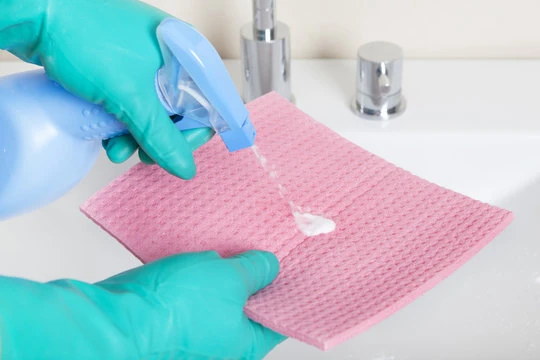
Replace sponges weekly to stop buildup early. Sanitize cloths using hot water cycles often. Let clothes dry fully between uses. Use microfiber towels for counters and prep areas. Keep separate cloths for dishes and surfaces. These effective cleaning hacks reduce the spread fast. Safe kitchen cleaning becomes simple with routine. Small habits protect homes daily.
3. Ignoring the Refrigerator and Freezer
Cold storage feels safe, yet hidden kitchen cleaning mistakes live inside daily. Spills hide under drawers and shelves. Old food leaks spread fast without smell. Food safety in the kitchen fails when cold zones are ignored. Germs move from spoiled items to fresh meals. Deep kitchen cleaning must always include these spaces. Cold does not kill bacteria fully. Clean storage protects every meal you serve.
Hidden Food Safety Risks
Spoiled leftovers sit forgotten behind newer items. Leaks drip onto shelves and drawers below. Mold grows slowly in corners and seals. Bacteria spread across the packaging and hands next. Food safety in the kitchen drops without a clear warning. Many trust cold air alone, which often fails. Deep kitchen cleaning gets skipped due to effort myths. Risk builds quietly over time.
Cleaning Tips
Clean shelves weekly using mild soap and disinfectant. Remove drawers and wipe walls with care to avoid rising residential cleaning cost later. Check expiration dates during every cleaning session. Throw away spoiled food without delay. Wipe door seals where moisture hides often. Deep kitchen cleaning keeps storage fresh and trusted. These steps support food safety in the kitchen daily. Simple routines stop the spread early.
4. Overlooking the Dishwasher and Oven
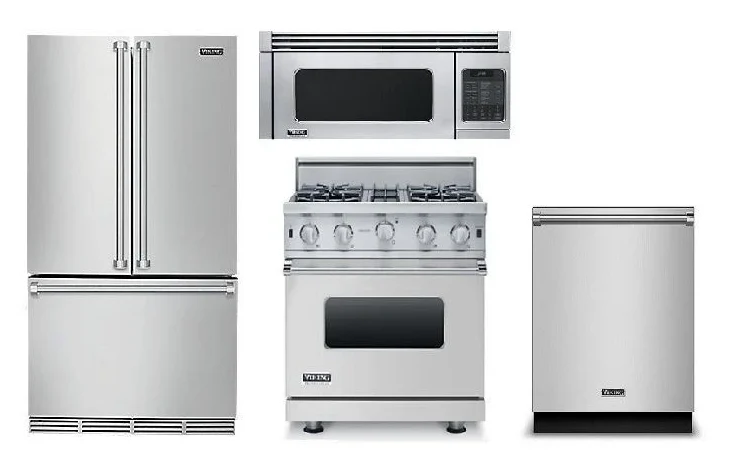
Many trust machines to clean themselves without thought. Hidden kitchen cleaning mistakes grow inside warm, dark spaces. Grease builds near the heat, and moisture stays trapped. Kitchen cleaning tips matter because food tools pass through here. Safe kitchen cleaning fails when machines smell off. These areas affect taste, health, and trust daily. Care keeps meals clean and calm.
Hidden Grease and Germ Spots
Ovens hide grease behind doors and racks. Dishwasher seals hold food bits and moisture. Vents collect steam mixed with oil residue. Germs grow where heat meets damp grime. Kitchen cleaning tips often miss these spots fully. Safe kitchen cleaning needs focus beyond plates. Ignored buildup spreads odor and risk slowly.
How to Maintain
Run self-clean cycles as advised by the makers. Wipe seals and edges using hot soapy water. Clean vents and filters during weekly checks. Let doors dry open after cycles. These habits support safe kitchen cleaning daily. Kitchen cleaning tips work best with steady care. Clean machines protect food and peace.
5. Using Harsh Chemicals Incorrectly
Many homes use strong cleaners without knowing the real risks. Hidden kitchen cleaning mistakes appear through the wrong use of products. Strong fumes harm lungs, eyes, and skin quickly. Some chemicals damage counters, seals, and tools. Safe kitchen cleaning means control, not force. Proper kitchen maintenance protects surfaces and people daily. This home cleaning guide helps avoid silent harm.
The Risk to Health and Surfaces
Bleach and ammonia release toxic gas when mixed. Some sprays strip the finish from counters slowly. Fumes linger in closed kitchens after cleaning. Children and pets face a higher risk first. Safe kitchen cleaning fails with poor choices. Proper kitchen maintenance requires calm, careful steps. Damage costs more than gentle cleaning later.
How to Clean Safely?
Follow product instructions every time before use. Never mix cleaners during one session. Open windows to reduce fumes quickly. Use eco-friendly cleaners when possible. Test new products on small areas first. Safe kitchen cleaning grows from smart habits. Proper kitchen maintenance keeps kitchens strong and trusted. This home cleaning guide supports better choices daily.
6. Not Cleaning Cutting Boards Properly
Cutting boards look clean yet hide a serious risk daily. Hidden kitchen cleaning mistakes start after meal prep. Raw meat juices soak into the board grooves fast. Vegetables touch the same surface soon after. Kitchen hygiene tips matter here more than anywhere. Poor care lets bacteria travel straight to meals. This helps avoid germs in kitchen spaces daily.
Cross Contamination Hazards
Raw meat spreads bacteria across boards quickly. Vegetables pick it up without signs. Wood and plastic both trap residue deep. Rinsing alone does not remove risk. Kitchen hygiene tips fail when boards mix uses. Many homes repeat this habit often. Illness risk grows through simple cutting steps. Awareness helps avoid germs in kitchen routines.
Smart Cleaning Techniques
Use separate boards for meat and veggies always. Wash boards with hot water after each use. Sanitize using vinegar or diluted bleach safely. Let boards dry fully before storage. Replace worn boards with deep grooves soon. These kitchen hygiene tips reduce the spread quickly. Clean boards help avoid germs in the kitchen daily.
7. Forgetting the Trash and Recycling Area
Trash zones often get ignored during daily cleaning routines. Many think waste areas matter less than counters. This belief creates hidden kitchen cleaning mistakes, often overlooked in any air duct cleaning guide focused on whole-home hygiene. Food waste sits warm and moist for hours. Bacteria grow fast in these conditions. Smells appear after germs already spread. Kitchen cleaning tips must include waste care always. Deep kitchen cleaning protects health beyond visible surfaces. Clean trash zones support calm cooking spaces daily.
Hidden Bacteria Hotspots
Overflowing bins attract pests and bacteria quickly. Flies, ants, and rodents follow food smells fast. Bin lids get touched many times each day. Germs move from lids to hands easily. Recycling bins hold food residue longer than expected. Liquids leak and soak into the bin walls. Floors nearby collect grime without notice. Kitchen cleaning tips fail when trash areas stay dirty. These spots spread germs silently across kitchens.
How to Stay Clean?
Empty bins daily to limit bacteria growth early. Use liners to block leaks and stains inside bins. Disinfect bins weekly using gentle cleaners. Scrub lids, rims, and handles with care. Let bins dry fully before adding new liners. Keep bins away from food prep areas. Deep kitchen cleaning must include waste zones always. Small habits bring strong hygiene results. Cleaning trash areas protects the air, food, and peace.
8. Skipping Floor and Wall Maintenance
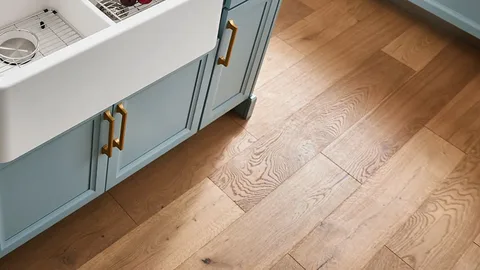
Floors and walls hold more dirt than people expect. Many kitchens look clean at eye level. Hidden mess stays below and around the edges. Crumbs, grease, and spills settle quietly. Over time, this creates odor stains and risk. Proper kitchen maintenance often skips these areas. That choice leads to long-term trouble. Clean floors and walls support a healthy kitchen flow daily.
Hidden Dirt and Mold Risks
Food crumbs fall during every meal prep. Grease splashes land on walls near the stoves. Spills soak into corners and base areas. Moist spots allow mold to grow slowly. Dirt builds up where feet and tools move often. These risks stay unseen for weeks. Effective cleaning hacks matter for these zones. Ignoring them harms kitchen comfort and health.
Best Practices
Sweep and mop floors daily to stop buildup early. Use warm water and a mild cleaner. Focus on corners and edges during mopping. Clean wall splashes near stoves and sinks weekly. Wipe lower walls where hands and tools touch. Dry floors and walls after cleaning. Proper kitchen maintenance grows from steady habits. Effective cleaning hacks save time later. Clean surfaces bring calm and safety daily.
Conclusion
Hidden kitchen cleaning mistakes affect health, comfort, and trust in homes. This guide by CCS Complete Clean covered high-touch surfaces, dirty sponges, and ignored machines. It explained chemical misuse, cutting board care, and trash zones. Floors and walls also hold hidden risk. Small habits decide food safety daily. Awareness builds cleaner routines and calmer kitchens for families every day with simple, steady effort.
Fixing hidden kitchen cleaning mistakes starts with daily care, not stress. Choose gentle methods, steady habits, and smart focus. Deep cleaning prevents larger issues later. Your kitchen should support meals, not sickness. Clean spaces protect mood, save time, and support better cooking daily. Follow this guide to keep your kitchen spotless and germ-free. Schedule your kitchen cleaning today.
FAQs
The most common hidden kitchen cleaning mistakes happen during fast routines. People skip handles, sponges, boards, trash zones, and floors. These spots collect germs daily. Clean looks can fool many homeowners. Awareness helps stop illness before it starts.
Safe cleaning starts with calm product use. Read labels before every task. Never mix strong cleaners together. Open windows during cleaning. Choose gentle options when possible. This method protects the lungs, skin, and surfaces daily.
Refrigerators and ovens need regular care. Clean them once each month for best results. Wipe spills each week to stop buildup. Old food, grease, and moisture cause odor and bacteria growth.
Use separate boards for meat and produce always. Wash boards after each use. Hot water helps remove residue. Vinegar works well for light cleaning. Diluted bleach works for deeper cleaning with care.
Daily habits stop germs best. Wash your hands often during cooking. Clean tools after use. Dry sponges fully. Empty trash daily. Small actions protect mental health and peace every day.