
Every time you clean, you leave a mark on the world around you. Each bottle must be made, packed, shipped, used, and thrown away. Water and power are also part of the process. True eco-friendly cleaning is about more than a label with green colors or the word “natural.” The full life of every product shapes its effect on the planet.
Good cleaning habits look at every step instead of only the cleaner itself. The environmental impact of cleaning products depends on the items you use and how you use them. Fewer water-smart tools and simple methods all make a difference. One office switched to refill bottles and reusable cloths. Waste dropped over time without changing daily cleaning results. Small choices repeated each day can create lasting benefits for many homes and workspaces.
What Eco-Friendly Cleaning Really Means
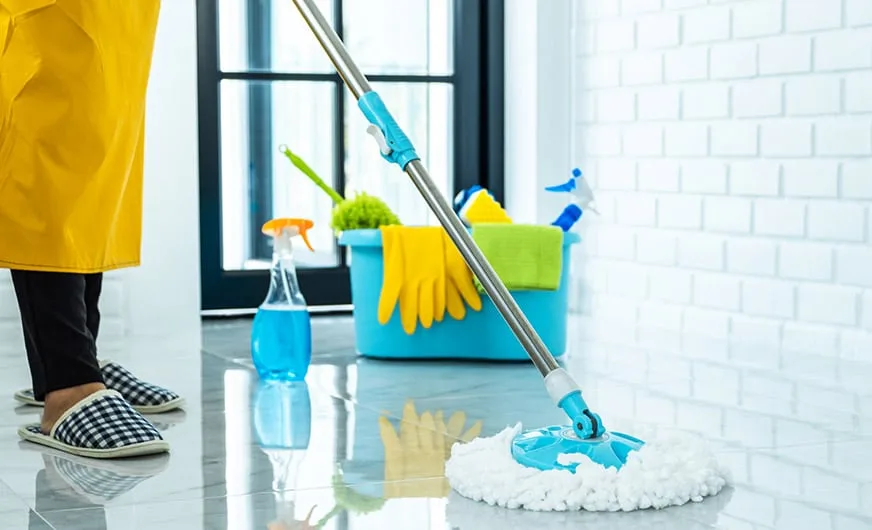
Green cleaning is a complete system, not simply a different spray bottle. Many people think one new cleaner solves everything. Real green cleaning uses safe products with the right amount of cleaner and less water. It also includes reusable cloths, good tools, smart equipment, proper storage, and careful disposal. One small office changed to refill bottles and washable pads. They cut waste without changing the quality of daily cleaning. These habits also support home maintenance cleaning by reducing waste while keeping spaces consistently clean.
A bottle is not always better because it is plant-based smells fresh,, or comes in green packaging. Real sustainable cleaning practices reduce waste during every step. Good results depend on careful choices instead of simple marketing claims. The goal is to clean well while using fewer resources and creating less waste over time.
Product and Process Must Work Together
Even the best eco-friendly cleaning products can be wasted. Using too much cleaner, wrong mixing, or throwing away cloths adds extra waste. Good cleaning comes from using the right product with the right method. When both work together, you save water, reduce waste, and avoid using more than needed.
Cleaning Products Do Not Vanish
Every cleaner follows a longer path than many people expect. The cleaning product life cycle starts when raw materials are gathered or made into cleaning ingredients. The product is then packed shipped stored and used. After cleaning any leftover liquid may enter waste systems. Empty bottles must also be reused recycled or thrown away. One business reduced plastic waste by buying refill packs instead of many small bottles.
Each step uses resources in a different way. Good sustainable cleaning looks at the full journey instead of only the product label. The way a cleaner is packed used and thrown away all matter. Small changes during each step can reduce the overall environmental footprint without making cleaning harder or less effective.
Every Stage Has an Impact
Every stage plays a part. Raw materials transport water use packaging and final disposal all affect the cleaning process. Looking at the full journey helps people make better choices instead of judging a product by its label alone.
Safer Ingredients Protect Waterways
The environmental impact continues long after a cleaner is rinsed away. After cleaning, some residue may enter waste water systems. That is why safer cleaning ingredients matter. Good choices look at how fast ingredients break down and how they affect living water systems. They also follow the right mixing amount and safe disposal steps. One school reduced cleaner use after staff measured each mix. The rooms stayed just as clean while using less product and creating less waste. This approach is also part of right home cleaning because it protects both indoor spaces and the environment.
Using extra cleaner does not always remove more dirt. Too much product can leave more residue and add to water pollution. Good cleaning follows the label instead of guessing the amount. A careful choice also looks beyond the bottle to protect aquatic ecosystems over time.
Biodegradable Does Not Mean Harmless
Many biodegradable cleaning products break down over time. Still, that does not mean they are safe in every amount or every place. Always follow the label. Never pour strong cleaning products into outdoor areas or drains unless the disposal guide says it is safe.
Low VOC Cleaning Supports Cleaner Air
Some cleaners release fumes or strong scents while you use them. Choosing low VOC cleaning products can help reduce these releases. Open windows when possible and use products only as the label directs. Avoid extra aerosol sprays and strong added scents. One office stopped using air fresheners after each cleaning. The rooms still felt fresh because regular cleaning removed the dirt instead of covering it.
Good habits matter as much as the cleaner itself. Store bottles with lids closed and use only the amount you need. Many non toxic cleaning products still require careful use and storage. Simple steps like these help support better indoor air quality while reducing unnecessary waste during everyday cleaning.
A Strong Smell Is Not Proof of Cleanliness
A strong scent does not mean a surface is cleaner. Fragrance only changes how a room smells. Real cleaning removes dust dirt and spills. A mild smelling product can clean just as well when used the right way.
Less Packaging Means Less Waste
Every empty bottle becomes waste at some point. Good cleaning plans reduce that waste in simple ways. Many people choose refillable cleaning products with strong spray heads that last longer. Others buy the right product size and avoid extra single use wipes. One small business changed to refill stations. They used fewer bottles and made less trash without changing daily cleaning results.
Smart buying also helps reduce plastic waste over time. Reuse containers only when the maker allows it. Choose recyclable bottles when they fit local recycling rules. Not every container will be recycled because rules and materials differ. Good sustainable cleaning supplies help lower waste through better choices instead of more packaging.
Concentrates Need Less Packaging
Concentrated cleaners can provide more uses from one bottle when mixed the right way. This often means fewer containers are needed over time. Always follow the mixing guide because using too much product creates extra waste and does not improve cleaning.
Smarter Methods Save More Water
Good cleaning uses only the water that each task needs. Water-saving cleaning methods include treating tough spots first and mixing the right amount of solution. Teams can also use the right mop or cloth to fix leaking tools and clean from cleaner areas toward dirtier ones. One hotel trained its staff to measure each mix. Water use dropped, and daily cleaning stayed consistent. These time saving cleaning tips also reduce wasted effort while supporting eco-friendly results.
Simple habits support water conservation without making cleaning harder. Large buckets do not always need to be filled. Controlled spray bottles help reduce extra water and product use. Staff training also prevents waste from poor mixing. Many green cleaning services follow these methods because they improve daily work while using fewer resources.
More Water Is Not Always More Effective
Using extra water does not always improve cleaning. Too much water can spread a dirty solution and leave longer drying times. It may also create extra work before the area is ready to use again.
Efficient Equipment Uses Less Energy
Good tools help save time and reduce waste. Energy efficient cleaning equipment works best when it is the right size for each task and kept in good condition. A cleaning team once replaced blocked vacuum filters and worn brushes. The machines picked up more dirt in one pass. That reduced repeat work and helped finish the job more smoothly.
Energy Efficient Vacuums
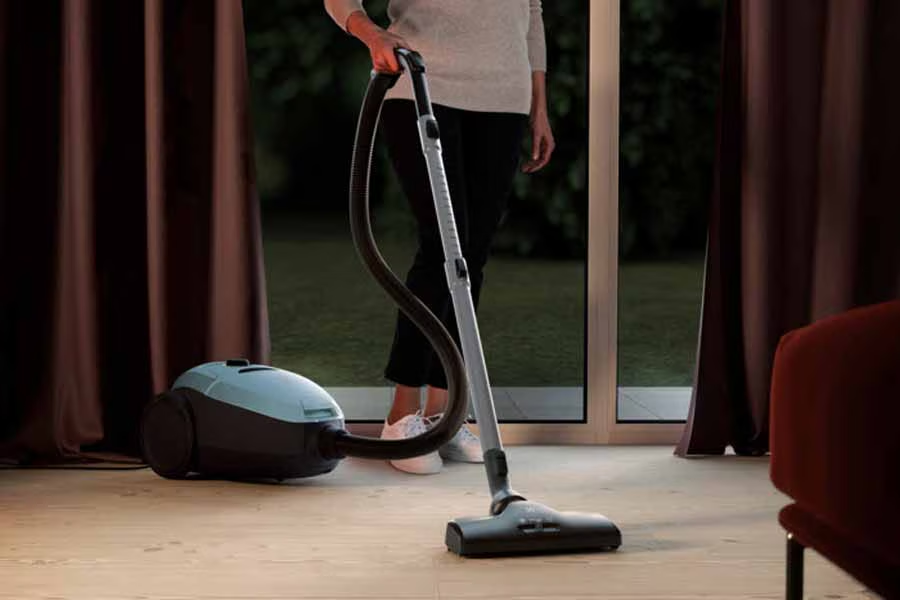
Modern vacuums with clean filters collect dust more effectively. Empty the dust bin and replace blocked filters when needed. A well kept vacuum often needs fewer passes to clean the same area.
Well Maintained Floor Machines
Floor machines work better when pads and brushes stay clean. Worn parts can slow the job and leave dirt behind. Regular care helps the machine perform as expected.
Correctly Sized Equipment
Choose equipment that matches the cleaning area. A machine that is too large or too small can waste time and energy. The right size helps workers clean more efficiently.
Planned Cleaning Schedules
Good planning avoids extra trips to the same location. Many sustainable commercial cleaning teams group tasks together. This reduces repeated equipment use and supports better daily routines.
Proper Equipment Care
Check hoses, brushes and attachments before each job. Turn machines off when they are not in use. Clean equipment works better and avoids extra cleaning time caused by poor performance.
Concentrates Shrink the Shipping Footprint
Many concentrated cleaning products provide more uses from one container. This can reduce the number of bottles needed and free up storage space. Fewer containers may also mean fewer deliveries over time. One office changed from ready-to-use cleaners to concentrates. Staff stored more cleaning solutions in the same cabinet while creating less packaging waste.
Using concentrates also supports better stock control. Many green cleaning supplies are available in refill systems that reduce extra packaging. The full benefit depends on using the product the right way. Smart storage, careful mixing, and fewer bottles can help lower the overall cleaning carbon footprint without changing daily cleaning results.
Correct Dilution Is Essential
Always follow the maker’s instructions when mixing concentrates. Measured dispensers help use the right amount every time. Too much product wastes cleaner and may leave residue. Too little cleaner may not remove dirt well and can lead to cleaning the same area again.
Longer Lasting Surfaces Save Resources
Good surface maintenance helps protect carpets floors, furniture, counters, fixtures, and appliances from early wear. The right cleaner, soft tools, and correct mixing all matter. Too much water, harsh chemicals, or rough brushes may damage finishes over time. One office switched to gentler cleaning methods. Its carpet stayed in good condition longer and needed fewer repairs during daily use.
Careful, sustainable cleaning protects surfaces without adding extra wear. No cleaning method can prevent every type of damage, but good habits often reduce avoidable problems. Many people also choose eco-friendly carpet cleaning methods that match the carpet material and care guide instead of using stronger products than needed.
Maintenance Delays: Replacement
Regular care can help delay the need for new carpets, furniture, and other surfaces. When items last longer, fewer new materials need to be made, shipped, and thrown away. Good maintenance supports better resource use while keeping existing surfaces in good condition for longer.
Green Labels Need a Closer Look
Words like “green,” “natural,” “earth-friendly,” “eco-safe,” “chemical-free,” and “non-toxic” can sound reassuring. Still, these terms do not always explain how a product performs. Every cleaner contains chemical substances, including water and plant-based ingredients. One buyer picked a bottle because of its green label. Later they found it offered little detail about ingredients or proper use. This is why people should look beyond marketing and avoid greenwashing.
Good choices come from clear facts instead of simple claims. Read the full label before you buy eco-friendly products. Check how the cleaner should be used, mixed, stored, and thrown away. Reliable details help you compare products with greater confidence.
Look for Meaningful Product Details
Before you choose a cleaner look for these details.
- Complete usage instructions.
- Clear ingredient information.
- Correct dilution guidance.
- Practical packaging design.
- Safe disposal directions.
- Independent green cleaning certifications.
- Maker performance details.
- Programs such as EPA Safer Choice, which review product ingredients against established criteria.
How Professional Green Cleaning Helps
Good cleaning is built on daily habits not one new product. Professional green cleaning services use the right cleaner for each surface and measure every mix with care. Teams also use reusable tools keep equipment in good condition and separate cloths by task. One office reduced wasted supplies after its cleaning team followed the same process during every visit. The results stayed consistent with less product waste.
Strong systems also reduce repeat work and improve daily routines. Staff receive training on safe product use and supply levels are checked often. Efficient service plans help avoid extra trips and wasted time. These simple steps support better cleaning while reducing unnecessary waste. At Complete Clean Solutions LLC these practical methods are part of everyday service. Businesses looking for eco-friendly cleaning in Everett WA can benefit from a planned approach that focuses on steady results instead of short-term changes, much like regular house cleaning helps maintain consistent cleanliness over time.
Small Cleaning Choices Create Change
Eco-friendly cleaning is not about finding one perfect product. It comes from many smart choices made every day. Use safer ingredients and measure each product with care. Save water when possible and keep equipment in good condition. Reuse suitable tools and choose products with less packaging. Protect carpets, floors, furniture, and other surfaces with the right cleaning method instead of using stronger products than needed. Complete Clean Solution supports environmentally responsible cleaning practices that help maintain a cleaner, healthier space.
Store and dispose of cleaning products as the label directs. These simple habits help reduce waste without making cleaning harder. One small change may seem minor, but daily habits add up over time. Homes and businesses that follow practical cleaning methods can use resources more wisely while keeping spaces clean. Small choices made every day can create lasting environmental benefits for the future.
FAQs About Eco-Friendly Cleaning
Yes, when used the right way. Results depend on the product task contact time, dilution tools and cleaning method.
No they are not. A natural source alone does not prove safety, biodegradability or better environmental performance.
It can over time. Refill systems concentrate reusable tools and recyclable containers help reduce unnecessary single-use waste.
Yes they can. Office stores, rental properties, and other sites can follow greener cleaning plans that reduce waste and use resources wisely.
Read the full label. Check ingredients, instructions, packaging certifications, and disposal details instead of trusting marketing claims alone.