

Dust builds up faster than most people expect. Kitchen residue hardens. Bathrooms collect soap film. Floors hold grit and pet hair. These regular house cleaning benefits matter because steady care limits that buildup. It also keeps common rooms easier to use. Occasional cleaning can work for quiet homes. Busy households usually need a more reliable routine.
What are the benefits of regular house cleaning?
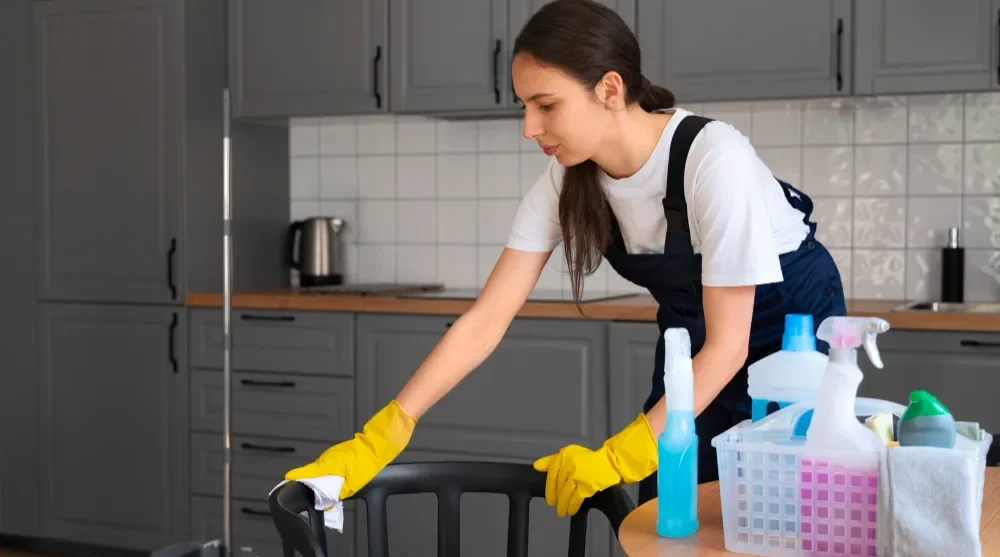
Regular house cleaning helps control dust, prevent heavy surface buildup, reduce large catch-up cleaning jobs, protect frequently used surfaces, and keep everyday spaces easier to use. A consistent routine can also make cleaning more predictable and help households spend less time dealing with accumulated mess. Regular cleaning benefits can become more noticeable when cleaning tasks are spread across a manageable routine.
What Regular House Cleaning Should Cover Each Visit
Regular cleaning handles dirt created through normal daily living. It is different from deep cleaning. Routine work usually covers reachable surfaces and common traffic areas. The exact scope should match the home.
Common tasks often include these areas:
- Dust reachable furniture and open surfaces
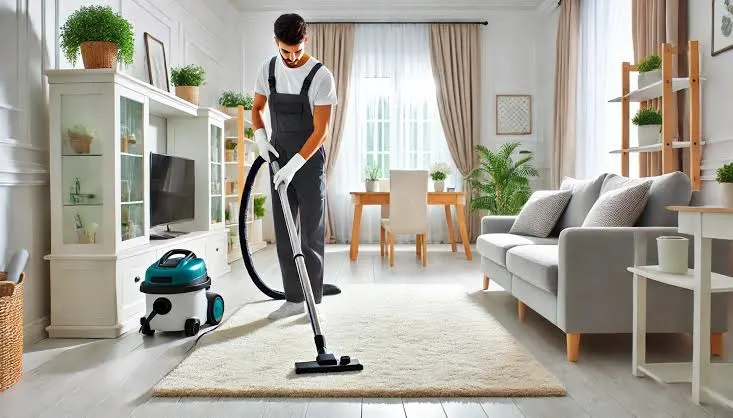
- Vacuum carpets and rugs
- Sweep and mop suitable floors
- Clean sinks and bathroom fixtures
- Wipe kitchen counters and appliance fronts
- Clean handles and other high-touch areas
Deeper tasks can follow a separate schedule. Oven interiors may need extra time. This split keeps home care realistic. It also prevents every cleaning day from becoming a major project.
How Regular Cleaning Helps You Enjoy a Healthier Home
Regular cleaning can reduce dust and unwanted residue on household surfaces. It cannot prevent every illness or allergy issue. Still, it supports basic home hygiene. According to the U.S. Environmental Protection Agency (EPA), regular cleaning can reduce common allergens. These include dust mites and animal dander. Healthy home habits can further support a consistent approach to everyday household care.
Reducing Dust and Common Household Allergens
Dust settles on floors and furniture every day. Carpets and upholstery can hold more particles. Regular vacuuming and dusting help control these materials. A residential carpet cleaning routine can provide additional care when carpets need more than ordinary vacuuming.
Keeping High-Touch Areas Cleaner
Handles and switches receive frequent contact. The CDC recommends regular cleaning for high-touch surfaces. Cleaning with soap or detergent removes dirt and many germs. Disinfection may be useful when someone is sick.
Why Regular Cleaning Can Improve Indoor Comfort
Dust can move from floors and fabrics into room air. Vacuuming may also disturb some settled particles. Regular care still reduces source buildup. Good cleaning habits work better with sensible ventilation. The U.S. Environmental Protection Agency (EPA) recommends ventilation during and after cleaning.
Open windows when outdoor conditions allow it. Use products made for the target surface. Never mix household cleaners. Good ventilation can reduce exposure to product vapors. It can also help clear disturbed particles after cleaning.
How Routine Cleaning Helps Protect Home Surfaces
Dirt can wear surfaces through repeated contact. Grit on flooring is one example. Food residue can become harder to remove later. Routine home cleaning limits how long buildup remains. That makes ordinary care easier. Home maintenance checklist habits can also help households notice surface issues before they become harder to address.
Method matters as much as frequency. One cleaner should not be used everywhere. Wood and stone may need different care. Product labels should match the target material. The EPA warns that some products can damage certain surfaces.
How Regular Cleaning Saves Time and Daily Effort
A major regular cleaning advantage is smaller workloads. Heavy buildup usually needs more effort. Consistent care spreads cleaning across normal days. Regular cleaning saves time by keeping everyday tasks more manageable and reducing the need for large catch-up cleaning sessions.
Avoiding Large Cleaning Jobs Later
Think about a kitchen hob after several meals. Fresh splashes often wipe away quickly. Old grease can take more work. Frequent light cleaning stops residue from building for weeks.
Making Cleaning Easier to Schedule
A simple plan gives each task a place. Floors can have one day. Bathrooms can have another. Scheduled house cleaning works because the workload becomes predictable.
Why a Clean Home Can Support Better Focus
Clear rooms are easier to use. This does not mean cleaning treats stress conditions. It removes some visual and physical distractions. A crowded counter can make cooking harder.
Routine cleaning can also reduce repeated decisions. Common items have known places. Cleaning and decluttering remain separate jobs. Clear floors make vacuuming easier.
How Regular Cleaning Helps Furniture Last Longer
Furniture faces daily contact with dust and spills. Rugs and carpets also collect grit. Regular care removes many materials before they become stubborn.
Protecting Floors and Carpets
Vacuum carpets before grit settles deeper. Sweep hard floors before mopping. Remove spills using methods suited to the material. Correct routine cleaning reduces avoidable wear.
Caring for Furniture and Used Surfaces
Dust furniture with suitable cloths and products. Treat spills according to the material. Upholstery may need specialist cleaning for deep stains. Material-specific care is safer than one product everywhere.
Why Routine Cleaning Helps Reduce Pest Risks

Cleaning supports pest prevention by removing common attractants. Crumbs and open waste can draw pests. Regular cleaning does not replace pest control. An active infestation may need qualified treatment.
Focus on kitchens and food storage areas first. Empty rubbish before it overfills. Clean crumbs from floors and cabinet edges. Check damp areas under sinks. Address leaks instead of cleaning around them. Moisture control also supports better indoor conditions.
How a Clean Home Makes Guests Feel Welcome
A maintained home reduces last-minute cleaning pressure. Floors remain easier to refresh. This helps before planned visits and unexpected guests. That gives households more time for simple final touches before company arrives each time.
Still, a steady routine keeps shared spaces ready. You can focus on small finishing tasks before visitors arrive. That is easier than cleaning several rooms from scratch.
Why Scheduled Cleaning Makes Home Care Manageable
No single schedule suits every household. Frequency should follow actual use. A busy family may need weekly cleaning. Pets and cooking habits can increase cleaning needs.
Choosing a Cleaning Frequency
Start with areas that become dirty fastest. Bathrooms and kitchens often need frequent attention. Entry floors may collect outdoor soil. A good routine should match real buildup.
Building a Routine You Can Maintain
Choose tasks that fit available time. Keep the plan simple enough to repeat. Do not schedule every deep task weekly. Separate routine work from seasonal jobs. Recurring cleaning advantages come from steady action.
How Regular Cleaning Supports a More Orderly Home
Cleaning works faster when rooms are easy to access. Clutter can block floors and worktops. Put common items away before cleaning starts.
An orderly home does not need empty rooms. It needs usable space. Keep kitchen counters clear enough for wiping. Deal with small messes early. These habits support routine home cleaning without making every session a decluttering project.
Regular Cleaning or Professional Service Which Fits
Both options can work well. The right choice depends on time and household needs. DIY cleaning gives full control over timing. Professional cleaning can add steady scheduled support.
| Factor | Regular DIY Cleaning | Professional Cleaning |
| Time | Uses personal time | Reduces personal cleaning time |
| Routine | Depends on home habits | Can follow recurring visits |
| Equipment | Uses household tools | May use trade equipment |
| Skill | Built through practice | Staff may use trained methods |
| Flexibility | Fully household controlled | Depends on service options |
| Best fit | Hands-on households | Busy or time-limited homes |
Professional house cleaning benefits become clearer when time is limited. Specialist materials may also justify trained help. Ask what each visit includes before booking.
Common Regular Cleaning Mistakes to Avoid
Some cleaning habits can waste time, reduce results, or damage household surfaces.
- Using the wrong cleaner on wood, stone, fabrics, or delicate finishes.
- Mixing cleaning products, which can create dangerous fumes or reactions.
- Cleaning only visible dirt while ignoring high-touch areas.
- Skipping door handles, light switches, taps, and frequently used surfaces.
- Using too much product instead of following label directions.
- Creating an unrealistic cleaning schedule that becomes difficult to maintain.
- Scrubbing damaged surfaces when repair may be the better solution.
A simple and repeatable routine usually works better than an oversized cleaning checklist.
Practical Tips for Better Routine Cleaning
Small improvements in your cleaning method can make regular upkeep easier and more effective.
- Clean from top to bottom so dust falls onto areas that still need attention.
- Dust shelves, furniture, and higher surfaces before cleaning floors.
- Vacuum or sweep before mopping.
- Use products designed for the specific surface you are cleaning.
- Read product labels and follow the recommended instructions.
- Ventilate rooms when using cleaners with noticeable fumes.
- Clean spills and fresh residue before they become harder to remove.
- Pay attention to recurring problems instead of repeatedly cleaning around them.
- Check damp areas for leaks, moisture, or water damage.
- Repair damaged grout, seals, or surfaces when cleaning alone cannot solve the issue.
When Professional House Cleaning May Help
Professional help can make sense when cleaning exceeds available time. Trained staff may follow a set scope each visit. A clear service plan should state what each visit includes. This can help when work keeps moving to the next weekend. Regular visits can also provide a clear cleaning rhythm.
Professional service does not remove every daily chore. Ask about products and surface methods before booking. Choose support that fits the home.
Final Thoughts on the Benefits of Regular House Cleaning
The strongest regular house cleaning benefits come from consistent and sensible upkeep. Regular care reduces dust and surface buildup. It supports usable rooms and easier routines. Complete Clean Solution can help maintain a more organized and comfortable home through consistent cleaning practices. It can also reduce large catch-up jobs. Better order makes rooms simpler to clean. Safer product use protects surfaces and household comfort.
Your best schedule should match real household conditions. Start with high-use rooms and repeatable tasks. Then adjust frequency based on visible buildup. Use professional help when time or specialist care makes it worthwhile. Keep daily tidying separate from deeper work. A realistic cleaning routine usually works better than an ambitious plan nobody follows. Consistency matters more than perfect rooms. A routine should reduce work rather than create extra pressure. Review the plan when seasons or household habits change.
FAQs About Regular House Cleaning Benefits
Regular house cleaning benefits include cleaner surfaces and easier upkeep. They also support dust control and better order while reducing larger cleaning sessions later overall.
Most homes need routine cleaning weekly or biweekly. The right timing depends on household size and pets. Cooking habits and daily traffic also matter overall.
Yes. Frequent dusting and floor care remove soil before heavy buildup develops. Kitchens and bathrooms often benefit because residue can harden very quickly indoors.
Regular care can reduce lengthy catch-up sessions. Smaller repeat tasks are easier to schedule. They usually require less effort than neglected cleaning work later.
Professional cleaning may suit busy households or larger homes. It can help when surfaces need special methods or when recurring support saves valuable household time.