

Why Bedroom Cleaning Is More Than Just A Chore
When you walk into your bedroom after a long, busy day, the space tells your mind what to feel. A calm room helps your body loosen up, while dust or clutter adds quiet tension you may not even notice. This space shapes your health because it is where your body slows down, and your breathing settles after hours of strain.
A clean room keeps dust out of the air you breathe each night, giving your body a chance to rest without extra effort. When the space feels fresh, you wake with steady energy and a clearer mood. This is why bedroom cleaning benefits matter for everyday well-being.
Dust, allergens, and clutter all harm sleep quality and mood by filling the space with irritants that strain breathing and cause stress during rest. When dirt builds up, it sticks to sheets, floors, and vents and spreads each time you turn or walk. These small particles reach the lungs and cause sneezing or a dry throat, while clutter blocks light and raises stress throughout the day. Following a home carpet cleaning guide helps remove hidden dirt and allergens, keeping your room clear and supporting a steady mind and body.
This guide shares health gains, cleaning plans, and simple habits to maintain a safe room. You learn how to clear dust fast, how to reduce stress with small steps, and how to keep air fresh with daily checks. Each part helps form a set routine that keeps your space calm.
Physical Health Benefits of a Clean Bedroom
Reduce Allergens, Improve Air Quality, Stay Healthy
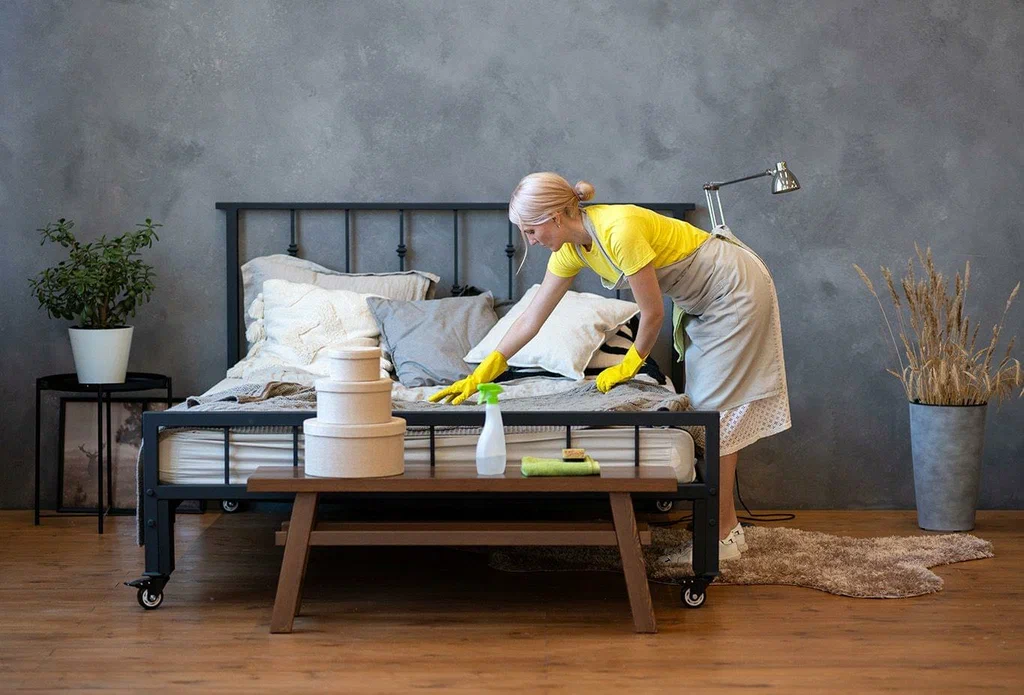
Dust and pollen sit on sheets and floors, and they cause sneezing. Tiny allergens rise into the air and reach your lungs at night. A clean room keeps these irritants low and helps calm breathing. These steps show real physical health benefits of a clean bedroom, and support long-term wellness. Fresh air moves better through clean spaces and keeps the room balanced. These habits also help reduce morning discomfort for many people. A steady routine keeps your bedroom healthy each day.
Vacuuming floors and dusting shelves removes hidden particles that hurt airflow. These particles sit deep in fabric, and they rise when you move. Slow vacuum strokes clear corners and stop dust from spreading each night. This routine shows the health advantages of a clean bedroom and helps the lungs feel clear. Clean floors also reduce buildup that settles during sleep. These steps help prevent irritation when you wake. A steady plan keeps your room fresh.
Cleaning tables and lamps reduces germs that spread through daily touch. Spills and crumbs build layers that harm health when left alone. Wiping surfaces often stops this growth and keeps hands clean each day. This habit also supports a strong immune system. Clean touchpoints lower the risk of daily illness. Following steps on how to clean allergens from bedroom helps protect your family from common irritants and keeps your room safer overall.
Mental Health Benefits of Bedroom Cleaning
Boost Your Mood, Reduce Stress, Enhance Focus
Cluttered rooms raise stress when you see piles each day. These piles block calm thought and make sleep harder at night. Clear floors and nightstands, lower stress fast, and build calm zones. These changes show strong mental health benefits of bedroom cleanliness. A clean space also helps ease tension that builds through long days. Your mind rests better when the room looks simple and settled. This shift improves your mood and helps you feel steady.
A neat room builds calm feelings and helps you relax faster. Clear spaces ease your mind and keep your thoughts steady at night. Clean sheets add comfort and send gentle cues for rest. Soft lighting adds peace and supports quiet moments before sleep. Fresh air also helps you settle quicker after tense days. These small changes create a space that feels safe and calm.
A tidy room supports focus and helps your mind stay clear. Clean floors help you move easy and start tasks on time. Good order builds steady habits that improve daily life. A simple setup keeps your mind from jumping between tasks. Clear desks help you work without extra stress or delay. These habits support better focus each day.
How a Clean Bedroom Improves Sleep Quality
Sleep Better in a Hygienic Environment
Fresh sheets free from dust ease skin and nose strain. Clear air helps smooth breathing, and it supports deep rest. Clean bedding stops nightly irritation and keeps sleep steady each night. These small steps help you rest well without extra stress. Soft fabrics keep your body comfortable through long nights. Clean fibers reduce itching that disrupts sleep. A fresh bed helps you feel calm faster.
Clean open spaces help your mind settle and slow racing thoughts. An organized room lowers tension, and it supports calm sleep. When your space stays neat, you build steady sleep patterns with ease. Open areas make it easier to move around safely. A clear layout stops small distractions at night. These habits help your mind settle with less effort.

Soft scents and fresh air help your body relax before bed. A neat room feels calm, and it guides your mind to slow down. These simple cues support the bedroom cleaning benefits sleep and lead to quiet nights. Gentle airflow keeps your room cool and pleasant. Natural scents help steady your breathing. These moments help your mind release tension.
Bedroom Decluttering and Health Benefits
Less Clutter, Less Stress, Better Wellness
Clearing clutter lowers stress and helps your mind stay calm. Fewer items mean fewer signals, and your brain feels lighter. When piles vanish, your space feels open and peaceful. This shift eases tension and builds steady nights as part of bedroom decluttering and health benefits. A clean space also helps you think more easily. Using professional deep cleaning services can enhance these effects, keeping your rooms thoroughly clean and supporting calm, steady thoughts.
Organized items help mornings run smooth and reduce daily pressure. You know where things sit, and you avoid last-minute stress. Clean drawers and shelves, keep your mind steady each day. Good order helps cut small delays each morning. Simple setups support clear thinking.
A minimalist room lowers noise and helps your body relax fast. Open space lets you breathe slow, and your thoughts settle. This calm flow supports rest and helps your mind reach quiet rest. Soft lighting improves the calm feeling. A clear room helps slow your pace.
Common Mistakes to Avoid While Cleaning Your Bedroom
Prevent These Errors for Maximum Health Benefits
Harsh chemicals may irritate lungs or skin in tight rooms. Strong scents harm the air, and they disturb sleep with ease. Mild cleaners keep rooms safe and support healthy bedroom cleaning tips. These gentle products protect skin and help you rest. Clean air keeps breathing smooth each night.
Many people skip under bed zones where dust builds fast. These hidden areas trap allergens, and they rise at night. Clean these spots often to keep your air clear. Small steps help protect your lungs from strain. A clean base keeps your room fresh.
Forgetting bedding, curtains, and vents lowers room hygiene over time. These items catch dust, and they spread it each day. Blocked vents push dust into the air and limit flow. Wash these items often to keep fresh air moving. Clear vents help your lungs rest.
Cleaning without a plan leads to uneven results each week. Missed spots hold dust, and they harm your breathing slowly. A set schedule builds steady habits that keep health strong. Routine care keeps stress low and supports better rest. Simple plans make cleaning easier.
How Often Should You Clean Your Bedroom for Maximum Health
Create a Consistent Cleaning Routine
Weekly tasks like dusting shelves, vacuuming floors, and washing sheets keep the air clean. These small steps stop dust from rising, and they protect your breathing. A simple plan helps you avoid buildup that harms your rest. These habits form the base of strong bedroom hygiene and health benefits. Clean air helps you wake fresh each day. Small weekly steps keep your room safe.
Monthly deep cleaning under beds, shelves, and curtains clears hidden dust. These areas hold dirt that moves slow, and it spreads each night. A monthly plan keeps those spots clean and easy to manage. This work keeps hidden spaces free from dust. Your room feels lighter and more open.
Seasonal tasks like washing windows, rotating mattresses, and clearing clutter add long-term balance. These steps keep airflow strong, and they refresh your space. Clean windows bring light that supports calm moods. These tasks support long-term hygiene and fresh airflow. These steps complete the full bedroom hygiene and health benefits cycle.
Orderly Guide to a Healthy Bedroom
Easy Actions to Keep Your Bedroom Clean and Safe
Step 1: Remove clutter
Clear clutter first to open space and calm your mind fast. Fewer items mean fewer signals, and your stress drops. This step sets order and keeps your thoughts steady. Use small bins to sort items with ease. A clean floor helps your body relax.
Step 2: Dust and wipe surfaces
Dust shelves and lamps to stop irritants from rising each day. Use soft cloths to clean tables, and wipe device screens gently. Fine dust settles fast and harms your breathing. Clean surfaces help your room stay fresh. These steps keep the air clear and calm.
Step 3: Vacuum and mop floors
Vacuum carpets slowly to lift deep dust from fibers each time. Mop hard floors to clear dirt, and reach corners well. Focus under your bed where dust builds fast. Clean floors support easy breathing at night. Regular care helps your room feel safe.
Step 4: Wash bedding regularly
Wash bedding often to keep skin fresh and breathing smooth. Clean sheets lower dust, and they ease nightly irritation. Fresh fabric helps your body relax faster. Warm water removes buildup with ease. These habits support calm rest.
Step 5: Clean air vents and windows
Clean vents often to keep airflow strong through the room. Dust blocks air, and it harms breathing at night. Wipe windows to bring in soft light. Fresh air helps your mind unwind. These steps improve rest each night.
Step 6: Organize storage spaces
Sort drawers to keep items easy to find each day. Clear closets lower stress, and they save morning time. A tidy nightstand supports calm sleep. Good order helps your mind stay steady. These habits support how a tidy bedroom improves wellbeing.
Quick Comparison (Bedroom Cleaning Frequency & Benefits)
| Cleaning Task | Frequency | Health Benefit | Notes |
| Dusting & wiping | Weekly | Reduces allergens & germs | Include electronics & furniture |
| Bedding & linens | Weekly | Improves sleep quality | Wash in hot water to kill dust mites |
| Vacuuming & mopping | Weekly | Cleans dust & bacteria | Focus on hidden spots |
| Deep cleaning | Monthly | Full hygiene & organization | Rotate mattress wash curtains |
| Decluttering | Seasonal | Reduces stress & boosts mental clarity | Donate or recycle unused items |
Dusting tasks each week help remove buildup that lowers air quality and irritates lungs during sleep. These light steps keep the room bright and prevent allergens from rising when you move.
Bedding and floor care support smooth breathing and better sleep by clearing germ dust and sweat that collect through nightly use. This helps your body rest well.
Deep cleaning and decluttering protect long-term health by keeping airflow steady and lowering stress caused by messy spaces.
Additional Tips for a Healthier Bedroom
Small Habits Make a Big Difference
Open windows each day to bring fresh air inside. A short breeze clears stale air and helps reduce dust buildup. Fresh air supports healthy lungs and eases tight breathing. This simple habit lowers indoor strain and boosts comfort. Clean air at home is easier to maintain when following tips from CCS Complete Clean, supporting good rest and calm nights.
Choose hypoallergenic bedding to guard skin from irritation. These materials block dust, and they reduce nightly discomfort. Soft fabric helps you sleep with steady breathing. Clean sheets also help stop mild skin issues. These choices improve comfort each night.
Limit items on nightstands to keep clutter from growing. Fewer items ease your mind, and they support calm sleep. A clear bedside area helps you settle fast. Clean nightstands to stop dust from rising at night. This setup helps your mind slow down.
Use natural cleaning sprays to avoid harsh chemical fumes. Mild cleaners protect breathing, and they improve nightly rest. These gentle products reduce stress linked to strong scents. Clean air helps steady your thoughts each night. These habits support the impact of bedroom cleaning for stress and build a healthier room.
FAQs
Common Questions About Bedroom Cleaning and Health
Deep clean once each month to reach hidden areas well. This step clears dust fast, and it helps the airflow. A monthly plan keeps your room fresh. For small rooms with carpet, airflow drops faster, so deep cleaning helps remove trapped dust that builds under fabric. Homes with pets may need more checks due to dander. These adjustments help keep the air steady.
Yes, clearing clutter cuts stress and builds calm space. A clean room feels lighter, and your mind relaxes. These habits help ease daily pressure. When surfaces stay clear, your brain handles fewer signals at night. This lowers mental fatigue and helps you sleep with ease. These changes also improve mood.
Mild cleaners, soft cloths, and hypoallergenic bedding help your air stay clean. These items protect breathing, and they avoid harsh fumes. Use simple tools for safe care. HEPA-rated vacuums help lift fine dust from carpet. Microfiber cloths trap dirt fast with less effort. These tools support strong room hygiene.
Clutter raises stress and blocks calm thoughts at night. A packed room slows rest, and it harms sleep. Clear space helps your mind settle. When floors stay open, you move more easily before bed. Clean layouts help reduce small nightly stress triggers. These steps support better rest.
Yes, they reduce fumes and protect breathing each day. Natural sprays clean well, and they avoid strong scents. These choices support calmer nights. Plant-based options lower airway strain for many users. These products break down safe and leave fewer residues. Such choices help long-term wellness.