

Your kitchen hides more dirt than you think after busy meals. This hook wakes concern fast and feels real today. Professional kitchen cleaning starts with smart habits and trained eyes. Pros spot grime others miss and act early. These expert cleaning methods save time and cut stress. Results feel calm and clear each day. You might notice better shine and less smell over time.
Teams plan steps to protect food zones and hands. They disinfect kitchen surfaces using safe tools and care to avoid kitchen cleaning mistakes. Professional kitchen cleaning includes deep kitchen cleaning for hidden grease. You gain effective kitchen cleaning that lasts longer. Simple kitchen cleaning tips bring a germ-free space. Trust grows when work stays clean. Clear routines help teams move fast without errors each shift. Clean habits protect health daily.
Why Professional Kitchen Cleaning Makes a Difference?
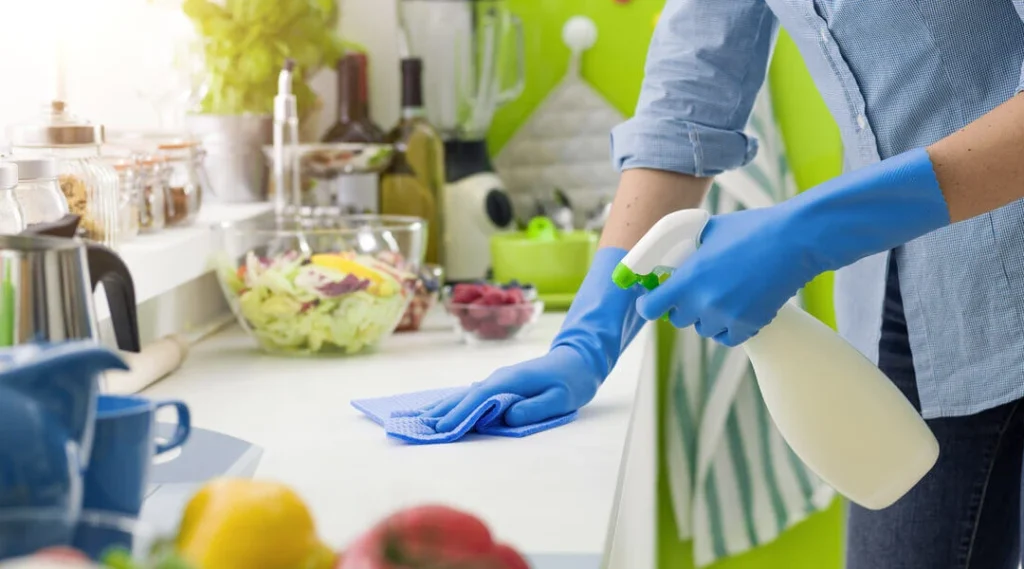
A sparkling kitchen protects health and peace daily. Looks matter less than clean food spaces today. Professional kitchen cleaning blocks germs before harm starts. Hidden grease grows fast behind tools and sinks. Bacteria spread when routine care slips often. Risks rise quickly during busy cooking hours. This pressure makes action urgent for every kitchen. Germ control keeps meals trusted by all guests. Clean spaces support focus, speed, and pride. Results feel calm, safe, and reliable daily.
Experts follow clear steps that protect food areas. They work fast with safe tools and planning. Training guides each move without wasted effort. Professional deep cleaning uses checks for missed grime. Smart systems reduce stress and errors daily. These methods deliver strong long-term results. You learn germ-free kitchen tips that last. Confidence grows when standards stay high. Clean kitchens support trust, health, and success. Safe routines protect staff, families, and guests every day.
1. Start With a Clean Slate: Declutter and Organize
Why It Matters?
Clutter stops real cleaning in active kitchens. Items block access to key food areas. Grease, dust, and crumbs hide under tools. This raises risk during food prep times. Clear counters allow full surface care. Pros always begin with space control first. This habit supports effective kitchen cleaning results. You gain faster work and fewer missed spots. Order helps teams move with calm focus. Clean starts protect food safety daily. This step builds trust and strong habits fast.
Pro Tips
Remove all items from counters and sinks first. Empty space allows deeper surface care. Sort pantry items by use and date. Old food leaves before heavy work starts. Clear fridge shelves one by one. Wipe shelves before placing items back. This supports smart kitchen cleaning tips daily. Teams follow expert cleaning methods with a set order. Simple steps reduce stress and time loss. Organized kitchens stay ready for safe cooking.
2. High-Touch Areas Are Priority
Busy kitchens spread germs faster than most people expect. Hands move nonstop during prep, cooking, and serving. Every touch leaves risk behind. Professional kitchen cleaning focuses on these danger points first. This step protects food zones and daily health. Ignoring touch areas leads to repeat spread. Clean plans must start where hands land most. This mindset creates real control. It also supports calm, safe work each day. Strong habits here reduce future problems fast.
Commonly Missed Spots
Many germs live on small surfaces. Handles, knobs, switches, and buttons see constant contact. These spots rarely look dirty at first glance. Grease and moisture help bacteria grow fast. Large surfaces get attention first, while small touch points are often missed an issue even in commercial cleaning. This causes quick recontamination. Germs move from hands to food areas. Missed spots break clean routines. Awareness helps stop this silent cycle early.
Professional Approach
Pros disinfect kitchen surfaces every single day. They follow set paths to avoid missed areas. Microfiber cloths trap dirt with less effort. Wipes speed work during busy hours. Each handle gets full coverage. Buttons get careful pressure to avoid damage. This routine supports germ-free kitchen tips. Clean touch points reduce cross-spread risks. Consistent checks stop buildup over time. These habits keep kitchens trusted and ready.
3. Appliances: Oven, Fridge, and Dishwasher
Kitchen appliances may look clean, but hide serious buildup inside. Daily use creates spills, heat, and moisture traps. Professional kitchen cleaning treats appliances as core risk zones. Food safety depends on clean internal parts. Ignoring them allows bacteria growth over time. Smell, stains, and poor function soon follow. Pros clean beyond visible surfaces. This focus protects meals and equipment life. Clean appliances support a smooth kitchen flow. Strong routines here prevent costly issues later.
Hidden Dirt and Bacteria
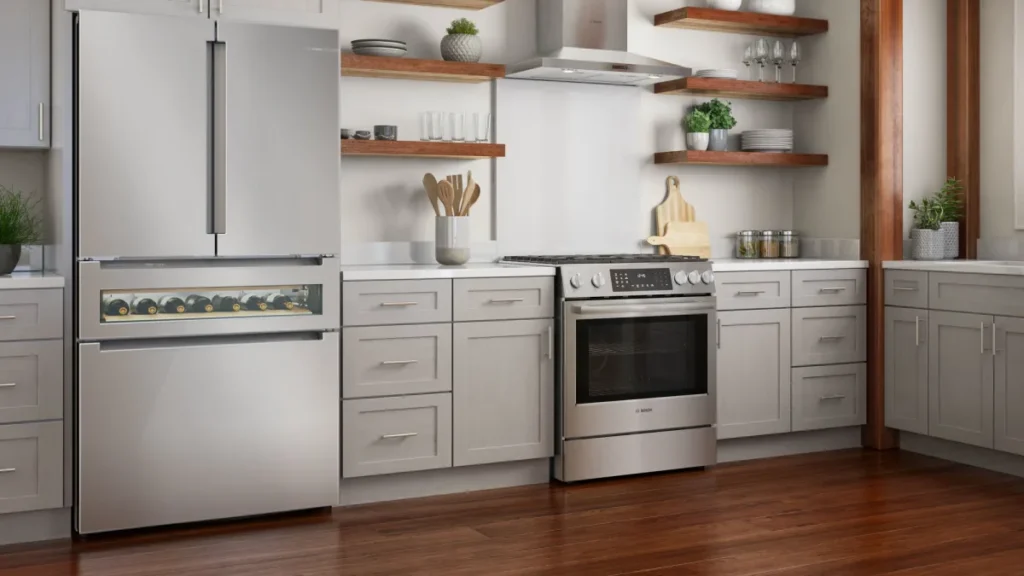
Ovens collect grease splatter after each use. Heat bakes residue onto inner walls fast. Fridges trap spills under drawers and seals. Moisture helps bacteria grow quietly there. Dishwasher filters catch food waste daily. Old residue blocks proper washing cycles. These areas stay unseen during quick wipes. Dirt builds slowly without notice. This buildup harms hygiene and results. Awareness is key to deep care.
How Experts Clean?
Experts use self clean cycles for ovens. This breaks down baked grease safely. Fridge shelves and seals get full wipe care. Seals need focus to stop mold growth. Dishwasher cleaning cycles run on set schedules. Filters get checked and cleared often. These steps support deep kitchen cleaning results. Pros rely on professional cleaning techniques for lasting care. Clean appliances improve safety, smell, and performance daily.
4. Countertops and Backsplashes
Clean surfaces shape how a kitchen feels and works. Food prep happens here every day. Professional kitchen cleaning treats these zones with high care. Small spills spread fast during busy hours. Crumbs, grease, and stains attract bacteria quickly. This risk grows without steady habits. Clean counters support food trust and calm flow. Shiny surfaces also show care and pride. Strong routines here prevent a daily mess.
The Importance of Surface Hygiene
Grease sticks to counters after cooking. Crumbs hide near edges and corners. Spills dry fast and trap germs. Backsplashes collect splash marks and oil mist. These spots look clean at first glance. Bacteria grow quietly on warm surfaces. Missed seams allow buildup over time. This leads to dull shine and a bad smell. Clean focus must stay on touch zones. Hygiene keeps meals safe each day.
Cleaning Method
Pros use surface-safe disinfectants daily. Products match stone tile or laminate types. Corners get extra care during wipes. Grout lines need steady pressure. Seams hide dirt and need focus. Microfiber cloths polish without leaving marks. This creates spotless kitchen cleaning results. Safe tools protect surfaces long-term. These steps support safe kitchen cleaning daily. Clean counters stay bright, trusted, and ready.
5. Cutting Boards and Food Prep Areas: Professional Kitchen Cleaning
Food prep zones demand strict care every day. These surfaces touch meals directly. Professional kitchen cleaning gives them top priority. Small mistakes here cause serious spread risks. Clean prep areas protect health and trust. This focus keeps kitchens calm and controlled. Good habits reduce waste and stress. Safe routines matter most during busy hours, helping justify residential cleaning costs for thorough, consistent care.
Cross Contamination Risks
Raw meat often carries harmful bacteria. Vegetables pick up germs from dirty boards. Using one board spreads risk fast. Juices soak into cuts and cracks. Bacteria survive long on damp wood. Plastic boards also hold residue. This danger stays unseen by the eyes. Cross spread reaches hands, tools, and food. Clean rules must always stay strict. Control here protects every meal served.
Expert Techniques
Pros use separate boards for meat tasks. Veggie boards stay clean and dry. Boards get sanitized after each use. Vinegar works well for light cleaning. Diluted bleach handles deeper risk zones. Boards air dry fully before reuse. Moist boards allow bacteria growth. Drying stops this cycle early. These steps support germ-free kitchen tips daily. They also ensure safe kitchen cleaning results. Clean prep areas build strong kitchen trust.
6. Floors and Hidden Corners Professional Kitchen Cleaning
Floors show how clean a kitchen truly is. Dirt settles fast during daily work. Professional kitchen cleaning treats floors as health zones. Food spills, grease, and dust fall all day. Hidden corners trap mess without notice. This buildup causes smell slips and spread. Clean floors support calm movement and safety. Strong routines here protect staff and food. Ignoring floors breaks clean standards fast. Pros never skip this step during service hours.

Dirt Accumulation Hotspots
Crumbs gather near prep tables often. Grease settles under stoves and sinks. Corners trap dust and food bits. Cabinet bases are easy to reach. These spots stay dark and damp. Moist areas help bacteria grow. Quick wipes miss these zones often. Over time buildup hardens and smells form. This hurts hygiene and comfort. Knowing hotspots helps stop the spread early.
How Pros Clean Floors?
Teams sweep and mop floors daily. This removes loose dirt fast. Weekly care goes deeper with steam tools. Disinfecting cleaners break down grease and grime. Pros focus on corners each round. Baseboards get steady wipe care. This supports effective kitchen cleaning goals. Deep routines stop the buildup long-term. Regular checks keep floors safe and dry. These steps ensure deep kitchen cleaning results daily.
7. Waste Management and Trash Area Professional Kitchen Cleaning
Trash areas shape kitchen hygiene more than people expect. Waste builds fast during busy food prep. Commercial cleaning standards treat trash zones as daily risk points. Bad smells signal deeper germ growth inside bins. Overflow attracts pests and spreads bacteria quickly. Clean waste control protects nearby food areas. This step supports smooth work and calm flow. Ignored trash breaks clean routines fast. Strong habits here protect staff and guests daily.
Hidden Germ Zones
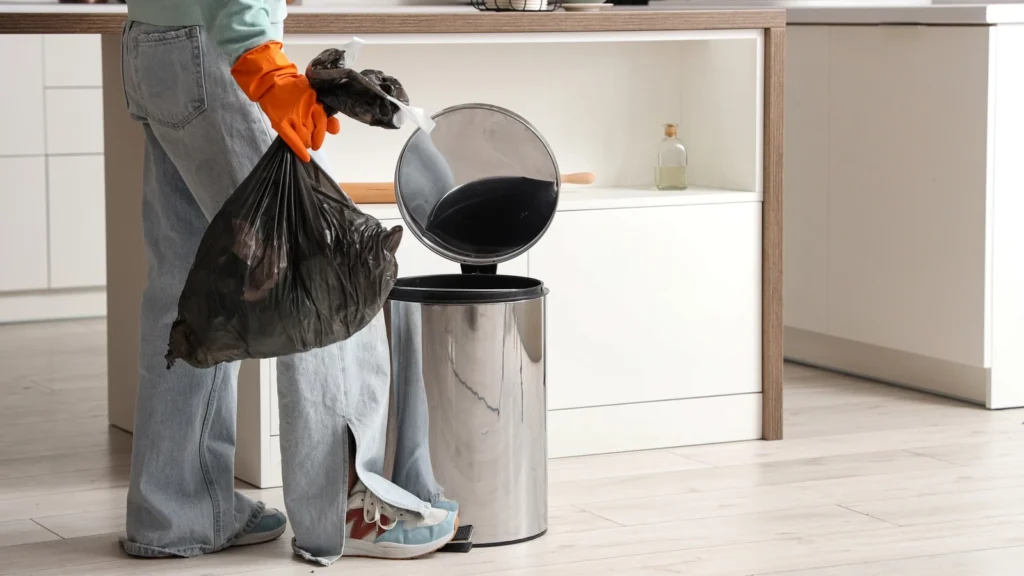
Trash bins hold food scraps and liquid waste. Moist waste helps bacteria grow fast. Overflow spreads odor across prep zones. Lids, handles, and bin rims collect grime. Recycling areas also often trap residue. Bags leak and stain the floors below. These zones stay warm and dark. Germs spread when bins stay full. Hidden buildup harms air and safety. Clean focus must stay firm here.
Expert Cleaning Approach
Pros empty bins at least once daily. Liners protect bins from direct waste contact. Bins get weekly disinfect care. Lids and rims receive full wipe coverage. Floors under bins get daily checks. Recycling bins get frequent clean care. These steps support kitchen cleaning tips that work. Clean waste areas stop repeat odor issues. Safe routines improve work comfort. These habits ensure safe kitchen cleaning every day.
8. Using the Right Tools and Products for Professional Kitchen Cleaning
Tools decide results more than effort alone. The wrong choice creates new problems fast. Professional kitchen cleaning relies on smart tool selection. Safe products protect food areas and surfaces. Poor tools leave residue and dull shine. Harsh chemicals damage stone and seals. Clean plans start with the right gear. This approach saves time and avoids repair costs. Kitchens stay fresh, calm, and reliable daily. Good tools support long-term hygiene goals.
Why Does It Matters?
Surfaces react differently to the cleaners used. Some sprays strip the finish from counters. Others leave film that traps dirt. Rough pads scratch smooth prep areas. Residue affects food safety and taste. Wrong tools waste time and money. Damage builds slowly without notice. Clean work must protect materials first. This keeps kitchens working longer. Safety depends on smart choices daily.
Professional Recommendations
Pros use microfiber cloths for counters daily. These cloths trap dirt without scratching. Eco friendly non toxic cleaners protect food zones. Labels guide proper use and timing. Teams follow product steps for safety. Dilution matters for strong results. This supports professional cleaning techniques used by experts. Smart choices deliver safe kitchen cleaning every shift. Clean tools build trust and steady results.
9. Maintaining a Germ-Free Kitchen Daily
Expert Daily Habits
Daily care keeps kitchens calm and trusted. Professional kitchen cleaning relies on simple repeat habits. Quick wipes after cooking stop the spread of grease. Touch areas get regular sanitize checks. Small actions block bigger risks early. Weekly plans support germ-free results. Deep clean tasks follow set days. Tools stay ready and clean always. Professional kitchen cleaning works best with a routine focus. These germ-free kitchen tips
Conclusion
Clean kitchens stay safe through steady habits and smart focus. Pros clean where hands touch most. They care for appliance surfaces and floors with intent. Safe tools protect food zones and materials. Daily effort prevents hidden buildup. Weekly plans handle deeper grime. This method builds trust and calm. CCS Complete Clean shows why professional kitchen cleaning works when routines stay simple and clear. Clean spaces support health, pride, and smooth work every day.
You can follow these steps with care and patience. Small actions create strong results over time. Wipe after cooking and check touch areas often. Deep care keeps control strong and stress low. Clean habits protect families and guests daily. Use these expert cleaning tips to keep your kitchen spotless, hygienic, and germ-free. Schedule your deep kitchen cleaning today.
FAQs
Experts follow a clear order from top to bottom. They remove clutter before wiping surfaces. Professional kitchen cleaning uses simple tools and steady habits. Daily plans reduce wasted time. Clean paths help teams move fast. This system keeps food areas ready without stress. Routine builds speed and trust.
Hands touch many spots during cooking. Handles, switches, knobs, and buttons hold germs. These areas spread dirt fast. Pros clean them each day. Regular wipes stop cross-spread early. Clean touch points protect food zones. This habit keeps kitchens calm and controlled.
Appliances need care beyond daily wipes. Ovens, fridges, and dishwashers hold hidden grime. Monthly deep cleaning works best for homes. Busy kitchens may need weekly care. Deep work prevents smell and damage. Clean machines last longer and work better.
Experts choose surface safe cleaners always. Mild solutions protect stone and seals. Microfiber cloths lift dirt without harm. Eco-friendly products suit food areas. Labels guide proper use. Safe choices prevent residue and wear. Clean tools support long-term care.
Wipe surfaces after each meal. Check touch areas often. Wash cloths and tools daily. Follow simple plans with care. These steps support germ-free kitchen tips. Steady habits keep control strong. Clean kitchens feel calm and trusted.