
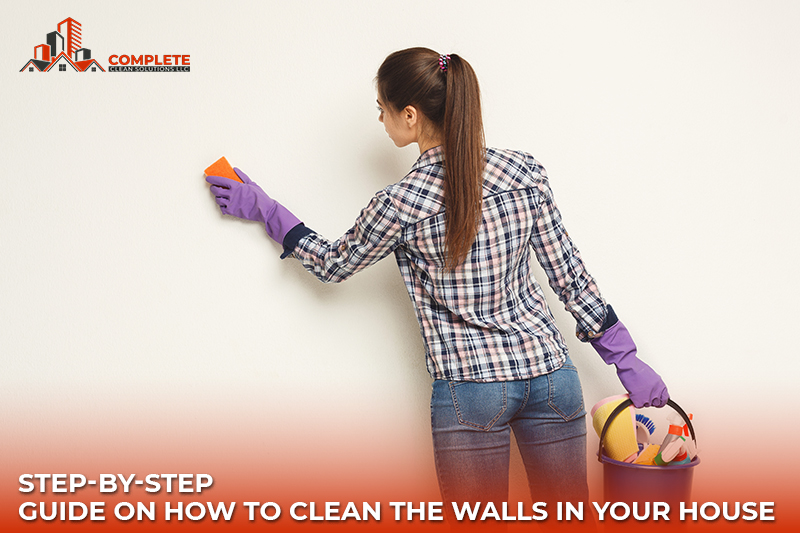
Many people look at painted walls and think they look clean. Yet dust on walls grows fast and hides in small spots. You might see wall stains or faint marks from daily touch. You may not know it, but this is where the work starts for How to Clean the Walls in Your House. Clean walls help your home feel fresh and calm.
Now, let’s face a simple truth: most people ignore interior walls until they look dull. Grease and tiny scuff marks can linger for months. A soft sponge and warm water can remove more than you expect, giving you a small win each time you tackle a stain. This is how smart wall care begins, just one of the ultimate dusting tips for home that keeps your space fresh and polished.
You might want simple steps that feel easy and real. A mild soap wash can lift dust buildup fast. A gentle wipe saves your wall finish and keeps paint safe. You gain a clear view of how to clean the Walls in Your House with safe tools. Your home feels light and neat once your walls look fresh again. This small habit shapes a strong base for clean living.
Why Wall Cleaning Matters

Dust on walls can lower indoor air quality fast. Smoke stains and grease stains also float in your room air. These bits rest on painted walls and slip into each breath. A clean wall surface holds fewer allergens and keeps your space calm and safe for daily life.
Dirty interior walls also cut room brightness. Wall stains block light and make matte walls look dull. Grease on walls can twist light and add a thin haze. Clean walls reflect light with ease and make each room feel fresh. A soft wipe can lift your mood with one small change.
Wall maintenance also protects your paint. Dust buildup and minor wear can damage latex and semigloss finishes, weakening surfaces and shortening paint life. Clean walls make it easier to prepare for fresh painting or renting, keeping your home neat and ready for new plans, an essential part of the best deep cleaning routine.
Gather Your Cleaning Tools and Supplies
Basic Wall Cleaning Kit
A good kit helps you clean walls with ease. Microfiber cloths lift dust without harm. A soft broom or dusting mop clears high spots fast. Mild dish soap in warm water cleans most painted walls. Soft sponges help with light marks. A melamine sponge fixes tough spots. Non-abrasive pads handle scuff marks with care. These tools give you a strong start.
Advanced Tools for Deep Cleaning
Some walls need more care than a simple wipe. A pH-neutral cleaner keeps the wall finish safe. Degreasers help with kitchen walls that hold oil and dirt. A vinegar solution works well for eco homes. Wall safe disinfectants clear light germs. A ladder helps reach high interior walls. Protective gloves keep your hands safe. These tools support deep care.
Why the Right Tools Matter
Good tools protect your painted walls from harm. Soft gear keeps latex paint and semigloss paint safe. Warm water helps remove dust buildup. Strong gear helps clean matte walls with slow force. A full kit saves time and keeps your home neat.
First Step (Dust the Walls Properly)
Dry dusting keeps your painted walls safe from harm. Use a soft broom to lift dust on walls with slow care. A microfiber cloth clears light dirt on flat spots. Dry dusting also stops loose dirt from turning into wall stains when you wash later. This step sets a clean base for real work.
A tack cloth helps grab fine particles that drift on interior walls. It pulls tiny bits that hide in wall texture and small gaps. This cloth also works well on matte walls where dust hangs tight. Use light force to avoid marks. Your walls feel smooth once fine dust is gone.
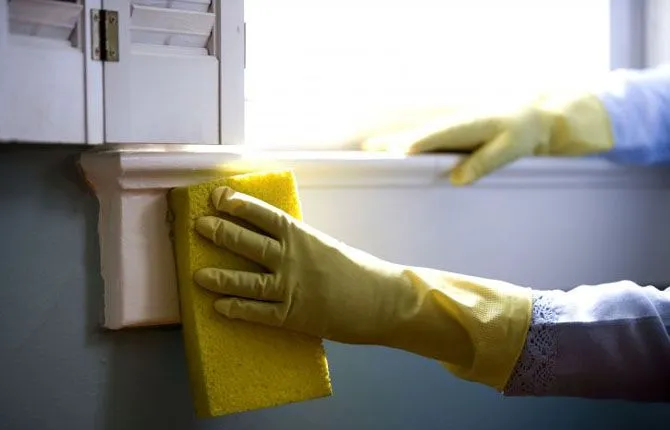
High walls and ceilings require safe techniques. Use a sturdy ladder and move carefully. A dusting mop lifts dirt from high areas without strain, preventing streaks by removing dry dust first. Keeping top areas clean helps walls look bright, an essential part of ultimate regular house cleaning.
Second Step (Identify Your Wall and Paint Type)
Latex Paint
Latex paint needs soft care to stay smooth. Use mild soap with warm water for safe work. A soft sponge keeps the wall calm. Dry the paint with light wipes. Latex paint marks fast, so slow care helps a lot.
Oil-Based Paint
Oil-based paint feels strong and holds up well. You can use safe degreasers on tough grease spots. Warm water lifts smoke stains with ease. A soft cloth keeps the shine neat. This paint stays firm with simple steps.
Matte Finish
Matte walls need slow, soft care. The surface marks fast with a strong force. Use a damp microfiber cloth for safe wall cleaning. Mild soap helps lift light dirt. Matte walls stay fresh when you avoid harsh moves.
Eggshell and Satin Finish
Eggshell and satin walls have fair strength. Mild scrubbing clears light marks fast. A soft sponge keeps paint safe. Warm water helps lift dust on walls. These finishes stay neat with small care each week.
Semi-Gloss and Gloss Finish
Semi-gloss and gloss paint work well in busy rooms. They resist grease on walls and clean fast. A wall cleaning solution lifts dirt with soft moves. These walls shine bright with simple care.
Textured Walls
Textured walls trap dust in deep grooves. Use a soft brush to lift dirt. A vacuum with a brush attachment helps reach tight spots. Warm water and mild soap finish the job.
Third Step (Clean With a Soap & Water Solution)
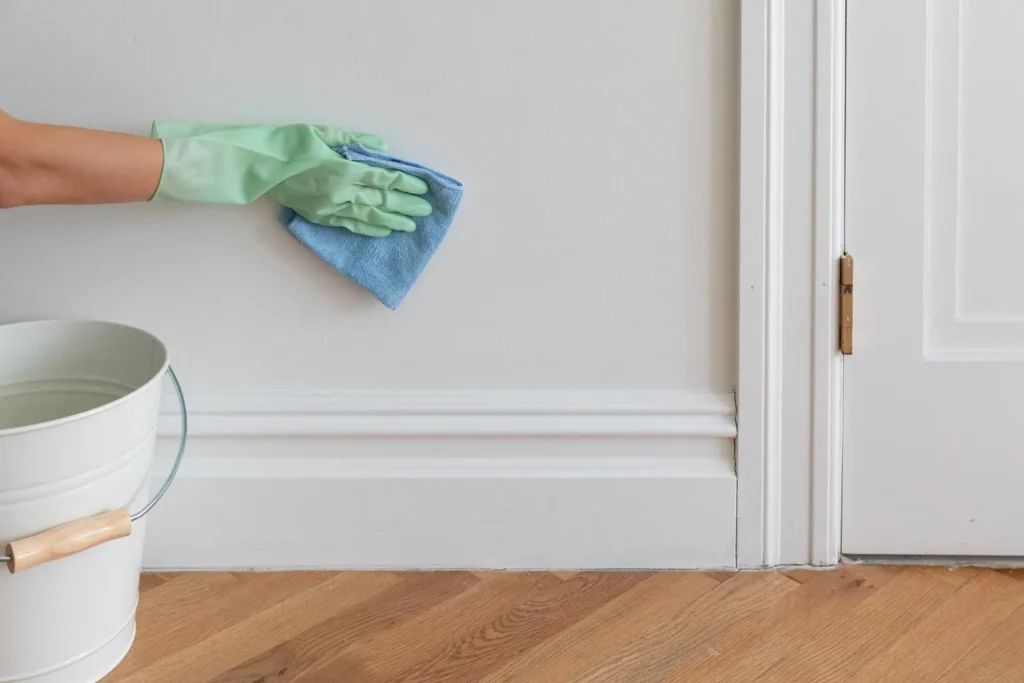
Use a mild soap with warm water to clean walls gently. This solution works on most painted surfaces and removes dust without stress. Keep the soap light, as too much liquid can damage interior walls. Dip a soft sponge, wring it well, and wipe carefully to avoid over-wetting and maintain a firm surface. These careful steps show how can natural cleaner makes bathroom shine while keeping surfaces safe and bright.
Move from the top and wash down slowly for even flow. This helps clean walls without streaks and supports simple wall maintenance. Keep a rinse bucket nearby and use it after each pass. Warm water helps lift grease on walls with ease. Use a soft circular cleaning motion for smooth work. Dry the area with a clean microfiber cloth to stop new marks.
Fourth Step (Rinse the Wall Thoroughly)
Rinse with care to protect paint from long-term harm. Leftover soap leaves dull marks on painted walls and ruins the look over time. Use a clean, soft sponge and warm water for a smooth rinse cycle. Keep the flow light to avoid drip trails on interior walls. This step supports how to clean the walls in your house with real care.
A soft sponge or a microfiber cloth works well and helps block water marks. Move in slow lines from top to base for clean flow. Press the tool lightly so the rinse feels even on each pass. Take time on textured walls since water sits in small dips. Use a soft brush to reach deep spots and lift leftover soap. Dry the area right away with a clean cloth to stop new marks.
Fifth Step (Dry the Wall and Inspect for Missed Spots)
Dry the surface with a clean cloth right after each wash pass. This stops water lines and keeps painted walls bright and firm. Use a soft towel or a microfiber cloth for quick dry work. Move in slow strokes so each part gets full care. This supports how to clean the walls in your house with steady skill.
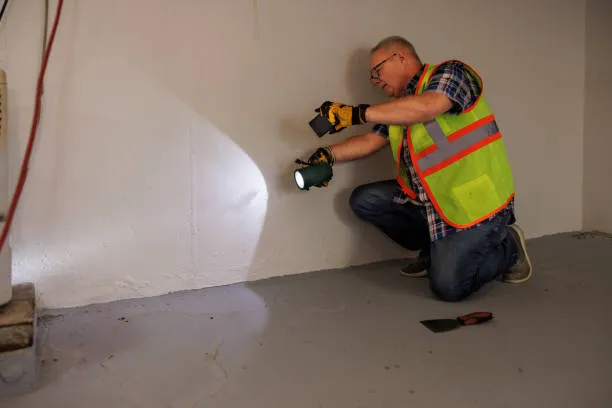
Check the wall for stains that need target work. Look for deep marks that need mild soap or a baking soda paste. Some stains will not lift and may point to old wear. You might notice dull tone or cracked paint in some spots. These signs show the wall needs new paint and not more clean work. Keep the pace slow so each zone gets a full check.
How to Clean Painted Walls Without Damage
Work with care when you clean painted walls to keep the coat firm. Each wall type needs the right cleaner so the paint stays bright. Matte paint needs soft tools and mild soap. Latex paint needs light work with warm water. Oil-based paint can take more scrubbing but still needs a soft touch. Always keep the mix weak for safe work.
Safe Ways to Test and Clean
Use a small test spot before full work. Pick a low corner and wipe once with a soft sponge. Check for dull tone or smear marks. If the paint stays firm, then the wall is safe to clean. Never use harsh tools or strong bleach since these harm the coat quickly. Skip steel pads since they cut the wall and leave harsh marks. You might notice that soft pads give a smooth flow and lower the risk of harm.
How to Remove Tough Stains From Walls
Tough spots need calm work and the right plan. Each stain type needs its own path. This keeps painted walls strong and clean. It also links well with how to clean the walls in your house, since stain work is a key part of full care. Move slow and test each mix on a small spot first. This keeps the paint safe and firm.
Grease Kitchen Walls
Grease stains lift well with warm water and mild soap. A soft sponge works well for this step. A baking soda paste also helps on thick spots. Let the paste sit for a short time, then wipe with care. Keep the wall dry after each pass.
Crayon and Marker Stains
Use a clean eraser sponge for light marks. Press soft and move slow. For deep ink marks, try a small bit of rubbing alcohol on a soft cloth. Test first to keep the paint safe.
Smoke and Soot Stains
Use a mild TSP mix for soot marks. Keep the mix weak so the paint stays firm. Wipe in slow lines from top to base. Rinse with warm water and dry at once.
Mold and Mildew
Use a vinegar mix for light spots. It breaks mild growth and keeps the wall clean. For strong spots, try hydrogen peroxide with a soft cloth. Do not mix both liquids. Rinse well and dry with care.
Food and Beverage Spills
Use an enzyme-based cleaner on food marks. Let it sit for a short time. Wipe with a soft sponge and warm water. Dry at once to stop dull spots.
Scuff Marks
A clean eraser sponge lifts scuff marks fast. Use soft moves for smooth work. Wipe once more with warm water and dry the wall well.
Best Way to Clean Walls Based on Room Type
Each room has its own wall needs. This links well with how to clean the walls in your house, since room use changes the stain risk. Move slow and pick the right tool for each space. Test each mix on a small spot first. This keeps painted walls safe and bright.
Kitchen Walls
Grease sits on the kitchen walls with thick hold. Warm water with mild soap lifts a light film. A baking soda paste works for strong oil marks. Smoke dust also builds on the top zones. Wipe from top to base with soft moves. Dry each pass right away.
Bathroom Walls
Moist air builds mildew on bathroom walls. A soft sponge with warm water lifts mild spots. Use a vinegar mix for soap scum. Let it sit for a short time. Rinse with warm water and dry well. Keep the air flow high to block more growth.
Living Room Walls
Dust sits on the living room walls due to the air flow. Finger marks also show in bright light. Use a soft cloth for light dust. Warm water with mild soap lifts pet stains. Dry the area well to block dull tone.
Bedroom Walls
Bedroom walls get smudges from daily use. Makeup stains sit near mirrors. A soft sponge with warm water helps lift most marks. Use a baking soda paste on strong spots. Wipe slow and test first to keep the tone firm.
Kids Rooms
Kids draw on walls with crayons and markers. A clean eraser sponge lifts most lines. Stickers leave glue that needs warm water. Work slow to lift each layer. Dry the wall after each pass.
Hallways and High Traffic Areas
Touch spots build on hallway walls fast. Use warm water with mild soap for quick care. Wipe from top to base and dry well.
Eco-Friendly and Safe Wall Cleaning Methods
Eco wall care keeps painted walls clean with soft earth, earth-safe methods. Use a mild vinegar mix to lift light stains with gentle work. A baking soda paste helps clear spots without a harsh scrub on the walls. Lemon solution gives a fresh scent and soft, clean power for wall types. Chemical-free microfiber tools give clean, bright walls while keeping air pure.
Wall Maintenance at Home
Wall care at home needs a monthly plan to keep surfaces strong. Run a deep clean schedule each season to lift termite wall stains. Keep the air flow high since a good vent helps stop mildew on the walls. Use safe cook habits to block grease that sticks on kitchen walls. Pick washable paint with a strong coat so each clean step feels smooth.
More Wall Cleaning Tips From Professionals
Clean baseboards first since dust drops fast on the lower parts. Guard floors with cloth to block drips during wash work. Skip circular moves since they leave swirl marks on painted walls. Clean walls with soft tools before painting for a smooth coat hold.
Hire a pro when stains stay strong after soft DIY steps. Check wall tone in bright light to spot dull or weak zones. Use warm water for a steady clean flow on most wall types. Test each mix on a small spot to protect the paint from harm. Dry walls slow to stop marks and keep the tone firm.
Conclusion
This guide shows how to clean the walls in your house with simple steps that keep the paint strong. You start with dust work, then move to the wash and rinse steps that stay soft on each wall type. Dry work ends the task and helps you spot marks that need more care. Each step gives clear control, so walls stay bright.
Regular wall care keeps paint firm for many years. Light wash routines remove dull spots and reduce stain buildup on painted surfaces. Proper upkeep also prevents early wear, helping you avoid frequent repainting. Simple tools and gentle work make the process easy for any home. Small, timely tasks save both money and stress, just the approach CCS Complete Clean follows for lasting results.
This wall care plan helps renters who want clean rooms and smooth move-out days. It helps sellers who want bright walls that draw strong offers. It also helps new homeowners who need fresh walls that show a clear tone in each room. Clean walls also lift mood and help each space feel warm and calm.
FAQs
Use warm water with mild soap and a soft sponge. Wipe in slow lines from top to base. Rinse with clean water and dry right away with a soft cloth. Quick-dry work stops streaks from forming.
Dull tone often comes from leftover soap. Rinse the wall again with plain warm water. Dry it well. If the tone stays flat, the paint may be old and needs a fresh coat instead of more wash work.
Mix warm water with a small drop of dish soap. Use a soft sponge and move slow. A baking soda paste helps with firm grease spots. Rinse after each pass to keep the paint safe.
A clean eraser sponge lifts most crayon and marker lines. Press soft and test first. For deeper marks, use warm water with mild soap. Dry the area right after to keep the tone even.
If stains stay after a soft scrub and the paint chips or looks uneven, it is time to repaint. Old paint will not hold a bright tone. A fresh coat gives a clean base and longer life.