
Why Removing Grease Matters in Your Kitchen
Grease buildup changes your kitchen fast and creates many problems daily. It causes strong odors that linger on walls and tools. It makes surfaces feel sticky and unsafe for meal prep. It also shortens appliance life when left for long periods. Heat hardens grease and locks it deep into corners. You then face slow cleaning and harder scrubbing each week. Clean surfaces help you cook with calm focus and clear space. Good habits protect your appliances and lower repair needs. This guide shows you how to remove tough grease from kitchen appliances with simple steps. Strong cleaning helps your kitchen stay fresh through busy days.
Tough grease builds slowly with heat and time in your kitchen. Oil mixes with food particles and forms thick layers on cooking tools. High heat bakes these layers onto metal and glass surfaces, creating dark spots that become harder each day. These spots trap dust and release unpleasant odors when heated again. Old grease can also disrupt stove flames and reduce proper oven heat flow. It may coat fans and slow air movement in vents. The longer it remains, the more difficult the cleaning becomes. Addressing these issues early helps prevent tough buildup and avoids the common cleaning mistakes guide that lead to even more work later.
This guide gives clear steps you can follow without stress. You get simple methods that work on many kitchen surfaces. Each part flows in order so you can clean with ease. You will learn fast ways to break grease and keep tools strong.
Understanding Grease and Its Challenges
What Makes Grease Hard to Remove
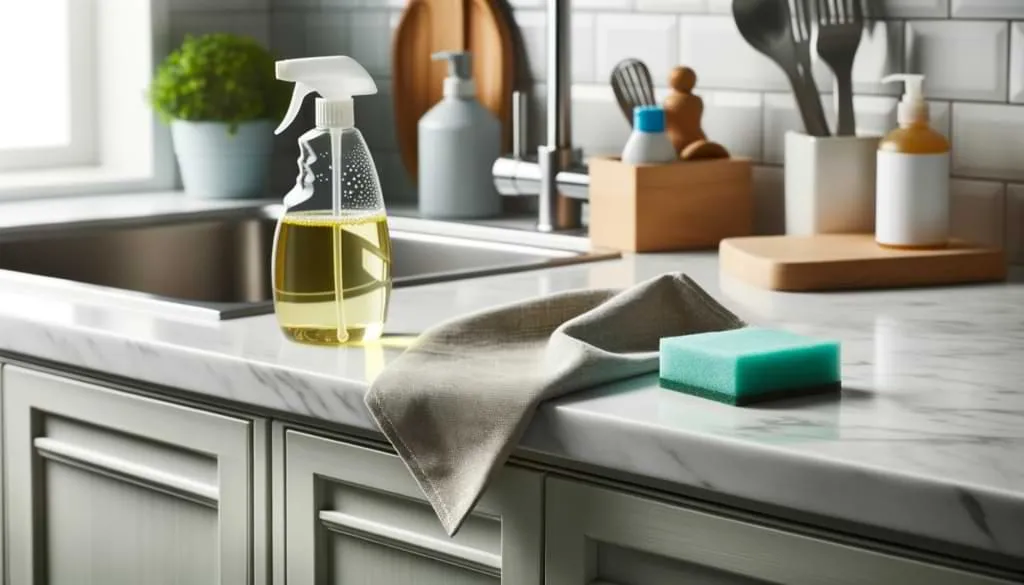
Grease forms when oil and food bits mix on hot surfaces. These mixes cling tight and stay firm for many days. Heat dries them into thick layers that spread slowly. You then see dull marks across tools and counters. These marks trap dust and darken with time and heat. Normal soap struggles to cut deep into thick layers. You must scrape slowly to degrease kitchen surfaces with care. Each layer needs warm water and steady pressure to lift. That is why grease feels hard and slow to clean.
Stovetops and ovens generate high heat that shapes tough, sticky grease. Flames push oil outward and form thick rings quickly. Hot metal keeps grease soft just long enough for it to spread wider. Once the heat drops, the grease hardens and locks in place. You then scrub harder to loosen firm, dark spots. These areas require slow, steady strokes and stronger cleaners to lift the buildup. Many cooks face long battles with these stains each week. Heat makes these marks some of the most stubborn grease removal challenges. Early care and affordable deep cleaning services help prevent heavy buildup in these high-heat spaces.
Each type of grease needs its own clear method for cleaning. Light oil wipes off fast with warm soap and cloth. Thick food grease needs foam or scrubs to break bonds. Burnt layers need paste or longer rest time on surfaces. When you know the stain type, you pick better tools. This saves time and gives smoother cleaning results at home. You work less when your method fits each problem well. Right steps help you degrease kitchen surfaces with steady success.
Step-by-Step Methods to Remove Grease
Commercial Cleaners
Using Professional Degreasers
Degreasers are made to cut tough grease with ease. These products work fast. They cling to thick grime and break its hold on your kitchen tools. You can use them on old stains or new grease spots. They help you clean areas that normal soap cannot fix. Many home cooks use them on oven tops and steel parts because they work well in heat. These cleaners also help you save time when the grease is dense and sticky. This makes them one of the best way to remove grease from appliances, as they give strong results with little effort.
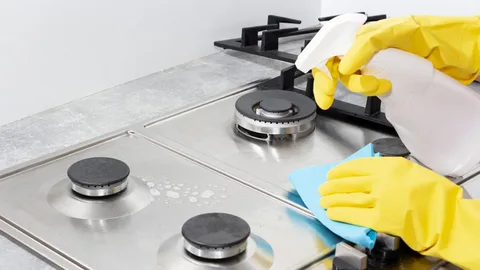
When you use a spray cleaner, start slow and steady. Spray the mix on the grease and let it sit for a short time. This gives the cleaner time to work. You will see the grease start to lift off the surface. After that, scrub the spot with a soft pad to clear the loose grime. Rinse the area with warm water to wash off the last bits. This simple path helps you clean safely and fast. It is one of the top commercial kitchen grease cleaning tips used by many pros.
Some cleaners use baking soda as part of their mix, offering mild grit that helps scrub tough grease. The soda lifts buildup without harming your stove or oven, and it works well on steel, tile, and other durable coated surfaces in your kitchen. When you rub the mix onto a stubborn stain, it breaks the top layer and loosens the dirt beneath, making deep marks easier to remove. This is why many people trust soda-based cleaners for older spots that require extra effort. The method is safe, steady, and effective, much like following best ultimate dusting tips that support a cleaner, healthier kitchen over time.
Homemade Solutions
Natural DIY Methods
Vinegar mixes well with water for simple cleaning work. Spray the mix on grease and let it rest. The mix softens thick spots with steady action. Sprinkle baking soda on the wet area for more lift. Scrub the spot gently until the grease breaks down. Rinse the surface with warm water for a clean look. This is a trusted DIY grease removal kitchen step for many homes. People also use it as a natural way to remove grease from kitchen appliances. It works fast for vinegar baking soda grease removal without harsh tools.
Lemon juice gives strong help for simple home cleaning tasks. Its acid breaks old grease with quick power. Add baking soda for light scrubbing help. Spread the mix on the greasy area slowly. Wait a short time before you scrub the spot. Work in small moves until the stain lifts clean. Rinse with warm water to clear the surface well. Many home cooks like lemon juice degreasing for kitchen appliances. It keeps cleaning simple with fresh smell and safe use.
Dish soap works well on light grease marks in busy kitchens. Mix warm water with a small amount of soap. Soak a soft cloth and press it on the stain. Rub the area in slow moves until the grease lifts. Warm water helps break oil films with steady ease. Rinse the spot and wipe it dry for a clean finish. This is a common dish soap grease removal method used daily. It fits quick work and stops small stains from turning hard.
Surface-Specific Tips
Stovetops: Stovetops collect grease fast when heat hits food spills. Remove the burner grates and place them in warm water. Let them soak until the grease turns soft. Scrub each grate with slow, firm moves. Rinse them well and let them dry fully. Wipe the stovetop with a warm cloth for clear shine. This helps with safe stovetop grease removal in daily work.
Ovens: Ovens hold deep stains when heat bakes old grease hard. Use an oven-safe degreaser for strong cleaning power. Spread the cleaner on the dark spots slowly. Let it rest so it can soften thick grime. Scrub the head with a firm but gentle pad. Wipe the oven clean and rinse with warm water. This simple path supports smooth oven grease cleaning time.
Backsplashes: Backsplashes catch small oil drops during quick cooking tasks. Use a soft cloth to wipe marks with care. Scrub with gentle pressure to protect each tile. Avoid tools that scratch or harm the surface. Clean the area often to stop stains from setting. Warm water helps loosen thin grease films fast. This regular care improves simple backsplash grease removal work.
Countertops: Countertops need calm care when grease covers wide areas. Use mild soap and warm water for strong results. Wipe the surface in short, slow paths. Avoid harsh or acidic cleaners on marble or granite. These stones mark fast when exposed to strong mixes. Dry the area well to stop streaks and stains. This helps maintain safe countertop grease removal with steady care.
Prevention Tips
Keep Grease from Building Up
Wipe spills fast before they turn thick and tough. Warm grease hardens when left untouched for long. Use a soft cloth to clear fresh drops quickly. Clean small marks before they spread across surfaces. Daily care stops stains from forming deep layers. These steps help prevent grease buildup on kitchen appliances. They also give you simple, quick tips for cleaning greasy kitchen appliances. Small tasks save time when the mess grows slowly.
Use splatter guards when hot oil jumps from pans. Cooking heat sends small drops across your stove. A guard blocks the grease and keeps surfaces clean. Place it over pans before strong heat begins. Wipe the guard after cooking for easy care. This small tool saves long scrubbing later. It also keeps your walls and tiles free from marks. Many home cooks trust this simple trick daily.
Keep a steady cleaning plan for busy kitchen days. Set time each week for deeper appliance care. Clean stovetops before stains turn old and hard. Wipe ovens when light spots start to show. Clear counters before grease spreads across corners. These simple steps reduce hard work later. A routine helps prevent grease buildup on kitchen appliances. It also supports quick tips for cleaning greasy kitchen appliances with ease.
Common Mistakes to Avoid
Avoid These Cleaning Errors
Abrasive cleaners can scratch soft surfaces and leave visible marks. Many products appear safe but can damage delicate parts quickly. Use gentle soaps for fragile areas around your stove, and test new cleaners on a small spot before applying them widely. Soft cloths provide safer care for smooth finishes, and slow, steady strokes help when learning how to clean greasy kitchen appliances. Careful choices protect your surfaces, prevent costly repairs, and support the long-term benefits that come with professional regular cleaning.
Grease grows strong when you ignore early signs. Light stains turn thick when heat hits daily. Wipe marks before they settle into deep layers. Scrub small spots before cooking again the next day. Hard grease needs more time and strong tools. Early care stops long fights with dark buildup. These steps help you avoid stubborn grease removal later.
Water harms electrical parts when used without care. Drips move fast into hidden gaps inside appliances. Use damp cloths instead of wet pads for cleaning. Keep cords dry during all kitchen tasks. Dry each surface before turning power on. Check plugs before cleaning near active outlets. Safe habits protect your tools and kitchen space.
Conclusion
Achieve a Sparkling, Grease-Free Kitchen
You now understand how to remove tough grease from kitchen appliances with clear steps. Use commercial cleaners when stains grow thick and strong. Try natural mixes when you want safer options at home. Follow each step with calm steady moves for better results. Scrub gently when surfaces need slow care and light pressure. Rinse well to clear soap films and loose dirt. These methods support clean tools and smooth daily cooking. Strong habits help keep grease from turning into deep buildup. Now you have simple ways to manage each cleaning task with ease.
Stay consistent with your weekly kitchen cleaning plans. Wipe spills before they dry into dark, stubborn stains. Keep guards on pans when hot oil splashes quickly. Check corners where grease hides behind small tools. Clean ovens before baked-on stains become hard and thick. Wash counters with soft cloths after daily meals. These habits protect your appliances for long, steady use and help maintain a calm space with less scrubbing. Good care keeps your kitchen strong, fresh, and ready each day, supporting the reliable results you expect with CCS Complete Clean.
Start removing tough grease today and keep your kitchen sparkling. Small steps make real change when taken often. Clean tools help you cook with ease and comfort.
FAQs
You can use vinegar on many kitchen surfaces with safe results. Keep it away from stone counters like marble or granite. The acid harms those surfaces fast. Test a small hidden spot before cleaning wide areas. Wipe gently to protect soft finishes on your tools. Rinse well after cleaning to clear the strong vinegar smell. Dry the area fully before using the appliance again.
Use an oven-safe cleaner made for high heat stains inside. Spread the cleaner slowly across dark hardened spots. Let the mix rest so it softens thick grease layers. Scrub gently with soft pads to avoid harsh scratches. Rinse the area with warm water for clean shine. Dry the oven fully before turning heat back on. This path keeps your oven safe and strong.
Wipe light grease after each meal for clean daily work. Deep clean your stovetop once a week for strong results. Check tight spots around burners where grease hides fast. Scrub early marks before they turn stubborn and thick. Rinse clothes often during cleaning for better control. These habits keep your stove steady and simple to use.
Natural mixes help with light grease on most kitchen tools. Commercial cleaners give faster results on old or thick stains. Choose natural methods when you want mild safe care. Use strong cleaners when grease builds deep on surfaces. Rotate both types based on the mess you face daily. This balance keeps cleaning simple and effective for you.
Use mild soap with warm water for basic steel care. Wipe along the grain to avoid lines and marks. Use vinegar mix for thin grease but rinse quickly. Dry the steel with soft cloths to prevent streaks. Buff gently for smooth shine after each cleaning pass. These steps keep your steel tools bright and clean.