
A messy workplace does more harm than most businesses realize. Dusty desks, unclean restrooms, and neglected shared areas can quickly affect employee health, focus, and overall morale. Over time, this also impacts customer perception and workplace safety, making cleanliness a key part of daily business success.
The importance of commercial cleaning becomes clear when companies notice fewer sick days and better productivity after maintaining regular cleaning routines. Commercial cleaning’s importance is not only about appearance but also about safety and hygiene standards. In one real case, an office improved staff efficiency after introducing scheduled cleaning for high-traffic areas, reducing clutter and improving air quality across workstations.
Cleaner Business Spaces Create Better First Impressions
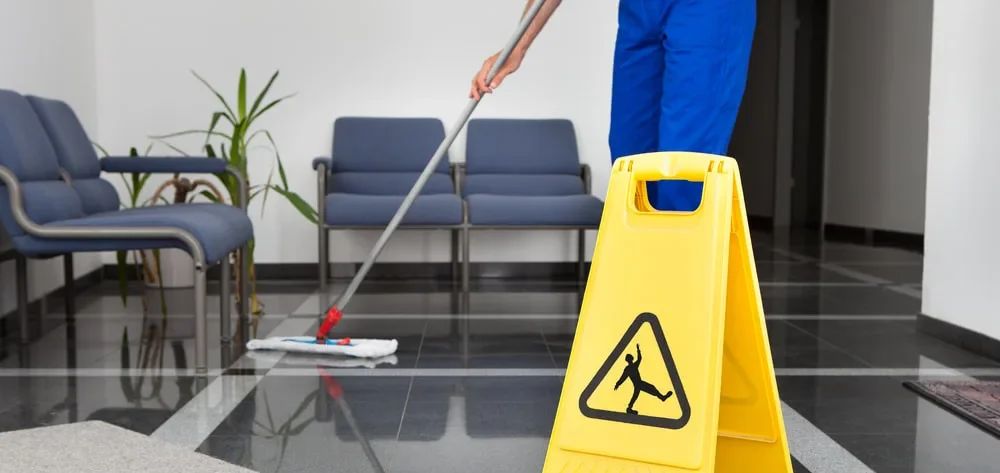
A clean business environment instantly shapes how clients and visitors perceive a company. The importance of commercial cleaning becomes clear when reception areas, meeting rooms, and workspaces are well maintained, creating a sense of professionalism, trust, and attention to detail.
Workplace cleaning’s importance goes beyond appearance and directly influences brand reputation and customer confidence. The benefits of commercial cleaning can be seen when businesses maintain tidy floors and organized desks, leaving a strong impression on visitors. In one real case, a small office gained more client trust after improving daily cleanliness standards in its front office area and meeting space.
Healthy Office Environments Support Employee Productivity
A clean and organized workplace helps employees stay focused and reduces mental fatigue during daily tasks. Commercial cleaning becomes evident when tidy environments support better concentration, fewer distractions, and smoother workflow throughout the workday.
The importance of office hygiene plays a major role in creating safe and comfortable working conditions for staff. Why commercial cleaning is important for office productivity can be seen when employees work in fresh, clutter-free spaces. In one real case, a team improved output after regular cleaning reduced dust buildup and workspace disorganization, allowing better focus on daily responsibilities.
Organized Workspaces Help Improve Daily Efficiency
When desks and shared areas are clean, employees spend less time searching for items. The importance of commercial cleaning supports structured environments that improve task speed and reduce errors. In one office, organized workstations helped staff complete projects faster with fewer interruptions while supporting time saving cleaning practices throughout the workplace.
Cleaner Offices Create More Comfortable Work Settings
A clean office reduces stress and improves overall comfort. Proper cleaning routines help maintain air quality and hygiene. In one example, employees reported fewer headaches and better comfort after consistent cleaning improved ventilation and reduced dust levels.
High Traffic Areas Require More Frequent Cleaning Attention
Busy workplaces naturally collect more dirt and germs in shared spaces. Workplace cleaning importance becomes more visible in areas where employees and visitors constantly move, touch surfaces, and interact throughout the day, increasing hygiene risks if not maintained regularly.
Reception and entry points need daily care.
Reception areas create the first impression and experience constant foot traffic. The benefits of commercial cleaning are clear when floors, doors, and seating areas are kept clean, reducing visible dust and maintaining a professional appearance for every visitor entering the office.
Breakrooms Require Regular Sanitization
Breakrooms are high-use spaces where food and shared appliances increase germ buildup. Office hygiene is critical here, as regular cleaning of tables, microwaves, and sinks helps prevent contamination and keeps employees safe and comfortable during breaks.
Restrooms Need Strict Cleaning Schedules
Restrooms are the most sensitive high-traffic areas in any workplace. Frequent cleaning ensures hygiene standards are maintained. In one real office example, daily restroom cleaning significantly reduced odor issues and improved employee satisfaction.
Meeting Rooms Must Stay Presentable
Meeting rooms are used for client and internal discussions. Maintaining cleanliness supports professionalism. Workplace cleaning importance is reflected when clean tables, chairs, and floors help teams focus better and leave a positive impression on visitors.
Differences Between Basic And Professional Cleaning Services
Basic cleaning focuses on surface-level tasks, while commercial cleaning’s importance becomes clear in workplaces that need deeper hygiene and structured maintenance. Professional cleaning services use advanced tools and methods to handle high-traffic areas and maintain consistent workplace standards.
Tasks Usually Included In Standard Cleaning Visits
Standard cleaning typically includes dusting, vacuuming, and light surface wiping. In one small office, basic cleaning was only enough for visible areas, leaving hidden dust in corners and shared equipment untouched, which affected overall cleanliness over time.
Advanced Services Offered By Commercial Cleaning Teams
Professional cleaning services go beyond basics with deep sanitization, restroom care, and high-touch surface disinfection. In one real example, a company switched to expert cleaning after noticing frequent employee illness caused by poorly maintained shared workspaces. The need for deep cleaning signs became clear when hidden dirt and bacteria started affecting workplace health.
Comparison Table
| Feature | Basic Cleaning | Professional Commercial Cleaning |
| Scope | Surface level | Deep workplace cleaning |
| Tools | Standard tools | Industrial equipment |
| Focus Areas | Visible areas | High-traffic zones |
| Hygiene Level | Moderate | High sanitation standards |
| Scheduling | Irregular | Structured routine |
Why Professional Cleaning Matters For Businesses
Why commercial cleaning is important becomes clear when comparing results. Professional teams help maintain healthier environments, improve productivity, and reduce workplace health risks through consistent and specialized cleaning practices.
Workplace Hygiene Helps Reduce Employee Health Risks
Clean workplaces play a major role in controlling germs and bacteria that spread through shared surfaces. Workplace cleaning’s importance becomes clear when regular sanitation reduces the risk of illness and supports a healthier environment for employees.
Office hygiene importance is closely linked to fewer sick days and better workplace safety. Commercial cleaning for employee health and safety is seen when desks, door handles, and shared equipment are disinfected regularly. In one real case, an office reduced seasonal flu cases after introducing scheduled cleaning of high-touch areas and improving indoor air quality through consistent maintenance.
Choosing Cleaning Plans Based On Business Operations
Different businesses need different cleaning schedules based on how often customers and staff use the space. Commercial cleaning’s importance becomes clear when cleaning plans match daily operations for better hygiene and smoother workflow.
- Office Cleaning Based On Daily Staff Activity
The importance increases in offices with full-time staff. In one real case, a busy IT office scheduled evening cleaning to maintain desks and shared equipment without interrupting working hours. - Retail Stores Needing Frequent Customer Area Care
The benefits of regular commercial cleaning services for companies are seen in retail spaces with high foot traffic. One shop improved customer experience by cleaning floors and entry areas multiple times during peak shopping hours. - Flexible Cleaning For Different Business Sizes
Small businesses often need adjustable schedules. A customized plan helped a startup manage weekly cleaning while scaling to daily service as staff and operations increased over time. - Industry-Based Cleaning Customization Needs
Different industries require a unique cleaning focus. For example, healthcare offices prioritize sanitation while corporate offices focus more on shared workstations and meeting room cleanliness.
Five Important Steps Used In Commercial Cleaning Work
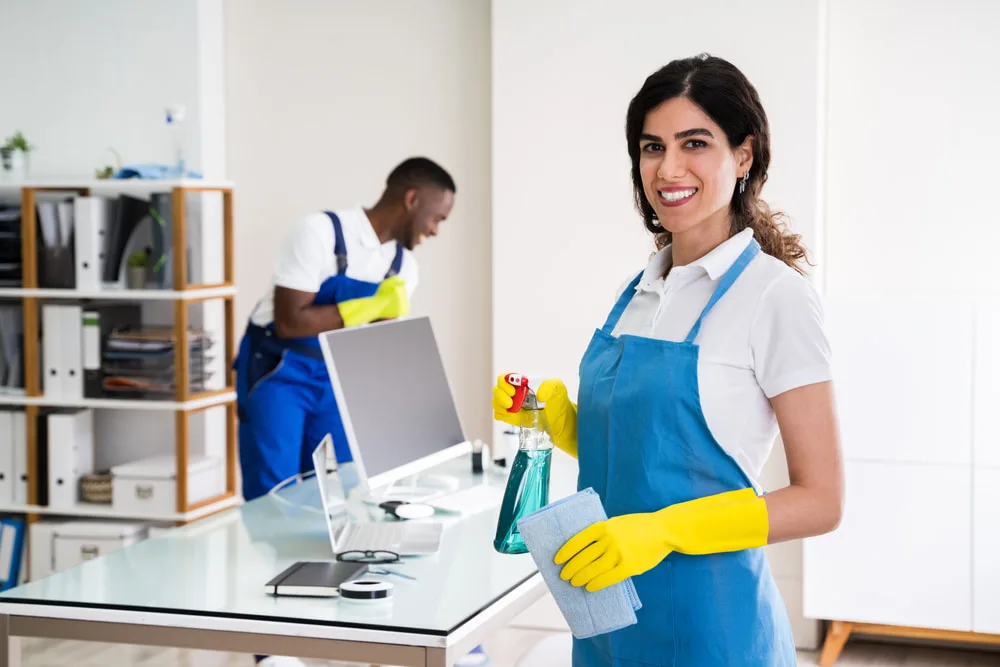
A structured cleaning workflow ensures workplaces stay hygienic and well-maintained throughout daily operations. The importance of commercial cleaning becomes clear when each step is carefully planned to improve safety, cleanliness, and overall business efficiency.
Step 1: Initial Consultation And Service Request
Professional cleaning steps begin with understanding business needs and service requirements. In one real case, an office shared its peak working hours so cleaning could be scheduled without interrupting employees.
Step 2: Property Assessment And Cleaning Strategy
The cleaning team inspects the site to identify high-traffic zones and hygiene risks. Benefits of commercial cleaning are seen when strategies are tailored for reception areas, restrooms, and shared workstations.
Step 3: Sorting Waste And Area Preparation
Before cleaning starts, clutter and waste are organized. In one example, a retail store cleared stock areas first, allowing cleaners to access floors and shelves more efficiently for deep sanitation.
Step 4: Cleaning Process And Final Walkthrough
This stage includes dusting, disinfecting, and detailed surface cleaning. Professional cleaning steps ensure no area is missed, and a final walkthrough confirms quality and workplace hygiene standards are fully met.
Step 5: Disposal, Recycling, and Sanitation Handling
Waste is properly removed, and recyclable materials are separated. In one real workplace example, improved disposal practices reduced odor issues and created a cleaner, more professional environment for staff and visitors.
Common Cleaning Mistakes That Affect Workplace Hygiene
Workplaces often lose hygiene quality due to small but repeated cleaning mistakes. The importance of office hygiene becomes clear when missed routines allow dust, germs, and clutter to build up in shared areas like desks, meeting rooms, and restrooms, affecting daily comfort.
- Ignoring High Touch Surface Cleaning
One common mistake is skipping disinfecting door handles, switches, and shared equipment. This weakens the importance of workplace cleaning, as germs spread quickly in busy office environments and increase employee illness risks. - Poor Waste Management Practices
Improper disposal of trash or delayed bin emptying can create odor and hygiene issues. The importance of commercial cleaning is often overlooked here, but correct waste handling keeps offices fresh and prevents pest problems. - Irregular Cleaning Schedules
Inconsistent cleaning routines lead to dirt buildup over time. One real office example showed reduced employee satisfaction when cleaning was done only weekly instead of daily in high-traffic areas. - Neglecting Shared Workspace Organization
Cluttered desks and meeting areas make cleaning less effective. Maintaining organized spaces improves hygiene and helps cleaning teams perform better and faster. - Skipping Preventive Maintenance Cleaning
Preventive care, like deep cleaning carpets and vents, is often ignored. Regular maintenance supports healthier air quality and reduces long-term cleaning costs for businesses.
Professional Cleaning Supports Long-Term Facility Maintenance
Regular cleaning plays a major role in protecting office furniture, flooring, and equipment from early wear and damage. The importance of workplace cleaning becomes clear when maintained surfaces last longer and require fewer repairs over time.
The benefits of commercial cleaning also include reduced maintenance costs and improved asset lifespan. Commercial cleaning for business hygiene and safety is seen when preventive care stops dirt buildup from damaging carpets and desks. In one real case, an office extended the life of its flooring by adopting scheduled deep cleaning instead of occasional surface cleaning.
Regular Maintenance Helps Preserve Workplace Surfaces
Regular maintenance helps preserve workplace surfaces and flooring. While offices focus on commercial needs, some business owners who manage mixed-use properties also schedule residential carpet cleaning services in connected residential spaces to maintain overall cleanliness standards.Consistent cleaning helps protect desks, chairs, and flooring from stains and scratches. In one office example, weekly polishing reduced visible wear on wooden furniture and kept the workspace looking professional for clients and staff.
Preventive Cleaning Reduces Expensive Repair Costs
Preventive care avoids costly replacements by addressing issues early. For example, regular carpet cleaning prevented deep staining and extended usability, saving a business from frequent flooring replacement expenses. Many businesses also invest in commercial carpet cleaning to maintain appearance and extend flooring life.
Smart Daily Habits That Keep Offices Cleaner Longer
Small daily habits from employees can significantly improve workplace cleanliness and reduce long-term maintenance issues. The importance of office hygiene becomes more visible when staff follow simple routines that prevent clutter and keep shared spaces organized throughout the day.
Keeping Desks Clean And Organized Daily
Workplace cleaning importance improves when employees clear their desks at the end of each day. In one office example, staff who organized papers and wiped surfaces daily reduced dust buildup and created a more productive work environment. These simple actions reflect the value of tidy home habits adapted for office settings.
Proper Waste Disposal And Recycling Habits
Why commercial cleaning is important is reinforced when employees properly dispose of waste instead of leaving it on desks. One company reduced overflow bin issues by introducing labeled recycling and scheduled disposal reminders.
Quick Wipe Down Of High-Touch Items
Shared keyboards, phones, and meeting tables should be cleaned regularly. In one real case, simple disinfecting wipes at workstations reduced minor illness spread among employees during flu season.
Maintaining Shared Space Cleanliness After Use
Meeting rooms and break areas should be left clean after use. This habit prevents mess buildup and supports smoother cleaning operations for maintenance staff. The same principle applies to regular house cleaning, where consistent upkeep reduces larger cleaning burdens later.
Storing Items In Assigned Spaces Only
Keeping supplies in designated areas avoids clutter and improves organization. Employees in one office improved workflow efficiency by reducing misplaced items through better storage habits.
Final Thoughts On Building Cleaner Professional Workspaces
A clean workplace is not just about appearance; it directly supports health, focus, and overall business performance. The importance of commercial cleaning is clear when organized and sanitized environments help reduce illness, improve employee morale, and create a more productive daily workflow for every team member.
Office hygiene and workplace cleaning also play a major role in shaping how clients and visitors view a business. A well-maintained office builds trust and professionalism while supporting long-term operational success. Regular cleaning schedules ensure consistent hygiene, reduce maintenance issues, and create a safer environment that benefits both staff and customers every day. For reliable cleaning support, many businesses turn to Complete Clean Solution.
Frequently Asked Questions About Commercial Cleaning Needs
Most offices need daily or weekly cleaning, depending on traffic. The importance of commercial cleaning increases in busy workplaces with high employee and visitor activity.
High-touch areas like desks, restrooms, and reception zones need frequent care. Commercial cleaning’s importance is highest in shared and high-traffic spaces.
Yes, clean environments reduce distractions and sickness. Benefits of commercial cleaning include better focus, comfort, and fewer sick days among staff.
Yes, many services use safe, eco-friendly products. Commercial cleaning also includes maintaining health while reducing harsh chemical exposure.
Offices, healthcare, retail, and hospitality all benefit greatly. Commercial cleaning’s importance is especially high in customer-facing and hygiene-sensitive industries.