
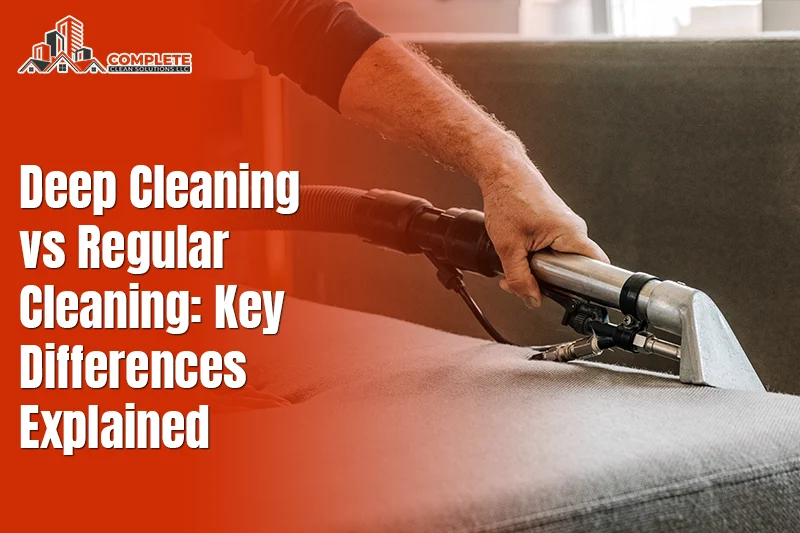
A tidy home can still hold dust and grime in missed areas. That is where deep cleaning vs regular cleaning becomes important. Regular cleaning handles common messes and keeps used spaces under control. Deep cleaning works on buildup and neglected areas that routine work may miss. Both services solve different household cleaning problems.
Choosing the wrong level can leave some cleaning needs unresolved. Deep cleaning vs regular cleaning depends on your home condition and daily use. It also depends on available time and the exact areas needing extra attention. This guide explains tasks, timing, signs, and service choices. It also helps you choose a practical cleaning plan for your home.
Deep Cleaning vs Regular Cleaning: What Sets Them Apart

Regular cleaning supports ongoing upkeep in rooms used every day. It focuses on visible dirt and common surfaces. Deep cleaning goes further into missed spaces and stubborn buildup. The main difference comes from scope and detail. Routine cleaning supports maintenance. Detailed cleaning supports a broader reset when normal upkeep no longer feels enough. Deep cleaning services can be useful when a home needs more detailed attention than routine upkeep provides.
Neither option replaces the other in every home. A deeper session can address areas that receive less attention. These may include baseboards, vents, grout, and appliance surfaces. The right choice depends on your cleaning needs.
What Regular Cleaning Handles in a Typical Home
Regular cleaning covers tasks that help a home stay presentable and usable. The exact scope may vary by provider. Most routine visits focus on rooms and surfaces used often. Standard house cleaning usually works best when the home already receives steady care. Residential cleaning services can support ongoing household upkeep when regular tasks need consistent attention.
Common tasks may include the following:
- Vacuuming carpets and rugs
- Mopping hard floors
- Dusting reachable surfaces
- Cleaning kitchen counters
- Wiping appliance exteriors
- Cleaning sinks and faucets
- Cleaning toilets and showers
- Emptying household trash
Routine cleaning works best when buildup stays limited. It can reduce the work needed between visits. However, it may not address neglected corners or hardened residue. Those conditions often need more detailed cleaning and extra time.
Where Deep Cleaning Goes Beyond Everyday Maintenance
Intensive home cleaning focuses on details that routine work may skip. The goal is more complete attention. A deep session may cover hidden edges and heavy residue. It may also include surfaces that receive less frequent care.
What Gets Attention During a Deep Cleaning Session
Detailed house cleaning often includes baseboards, doors, vents, and fixtures. Cleaners may also address grout and cabinet fronts and appliance areas. Service scope varies between providers. Homeowners should always confirm included tasks before booking. Tailored cleaning services can be considered when cleaning needs vary from one home to another.
How Deep Cleaning Tackles Built-Up Dirt and Grime
Built-up grease and soap residue need targeted work. Loose dust is easier to remove than hardened grime. Deep cleaning gives more time to those problem areas. The method should match the surface. Careful cleaning can protect finishes while removing unwanted residue.
Why Hard-to-Reach Areas Matter for Overall Cleanliness
Corners and edges often collect dust without drawing attention. The same happens behind furniture and under movable items. These areas may stay untouched during quick maintenance. A thorough home cleaning reaches beyond the first visible layer. That difference can change how complete the finished result feels.
What Homeowners Should Expect From the Results
Deep cleaning can leave neglected areas looking cleaner and more even. It may reduce visible dust and residue across more surfaces. However, cleaning cannot repair worn grout or damaged finishes. It also cannot fix leaks or structural problems. Some stains may remain when material damage has already occurred.
Deep Cleaning vs Regular Cleaning Side by Side Guide
The clearest difference comes from purpose and workload. Regular cleaning protects an existing routine. Deep cleaning addresses more detail and more buildup. The table below shows where each option usually fits.
| Cleaning Factor | Regular Cleaning | Deep Cleaning |
| Main goal | Ongoing upkeep | Detailed reset |
| Focus | Used surfaces | Used and missed areas |
| Frequency | Recurring | Periodic or need-based |
| Detail level | Standard | Intensive |
| Time needed | Usually shorter | Usually longer |
| Typical use | Routine care | Buildup or major reset |
| Best role | Maintains cleanliness | Restores broader cleanliness |
The better choice depends on your current home condition. A maintained home may only need routine service. A neglected home may need deeper attention first.
How Cleaning Time Changes Between the Two Services
Deep cleaning usually takes longer because more areas receive attention. The total time still varies by home. Size matters. Room count matters. Buildup matters. Furniture can also affect access. Requested tasks can change the workload even more. Save cleaning time can be an important consideration when deciding how much cleaning work to handle personally.
Regular cleaning often moves faster in a maintained home. The cleaner can focus on repeated tasks. Deep cleaning may require slower work around edges and fixtures. A larger time commitment does not always mean better service. It usually means broader work.

Which Areas Need More Than Routine Home Cleaning
Kitchens often need extra attention because grease can settle beyond counters. Cabinet fronts and appliance edges may hold residue. Bathrooms can develop soap film around fixtures and grout. Closer inspection can show buildup that routine cleaning missed.
Bedrooms and living rooms can also need detailed cleaning. Dust may collect behind furniture and near vents. Pet hair may settle into soft furnishings. Floor edges can hold debris even after regular vacuuming. The right depth depends on traffic, habits, and current condition.
Signs Your Home Is Ready for a Deep Cleaning Session
Some signs suggest routine cleaning no longer reaches the full problem. Look beyond the center of each room. Edges and fixtures often reveal the real condition. A deep cleaning may help when several signs appear together.
- Odors return soon after routine cleaning
- Dust gathers around vents and baseboards
- Kitchen surfaces feel sticky after wiping
- Soap residue remains around bathroom fixtures
- Grout looks dull from surface buildup
- Pet hair collects in soft furnishings
- Floor edges stay dirty after normal cleaning
- Overlooked rooms feel dusty or stale
One sign alone does not always require intensive cleaning. Several repeated signs can point to a broader need.
How Often Should You Schedule a Deeper Home Clean
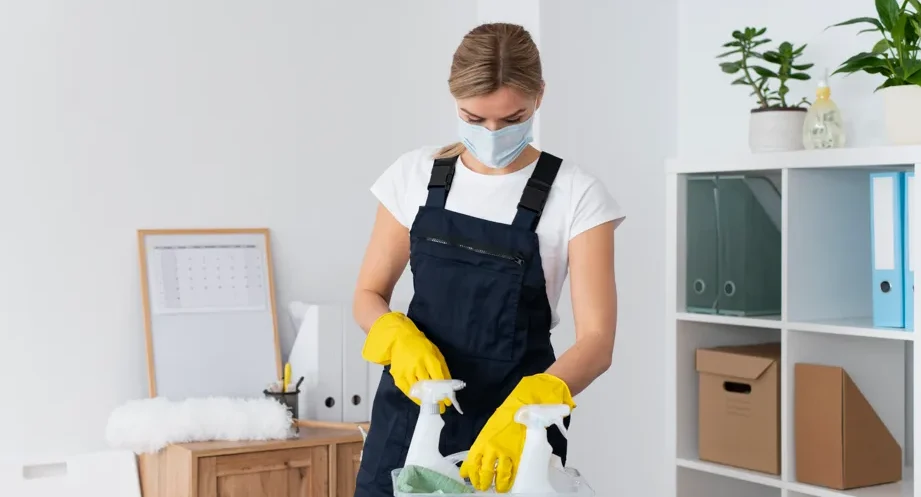
There is no single schedule for every household. Deep cleaning frequency depends on use and condition. Homes with children or pets may need deeper care sooner. Heavy foot traffic can also increase buildup.
A home with steady routine cleaning may need deep cleaning less often. A busy home may need it more often. The useful approach is simple. Check areas that routine cleaning misses. Schedule deeper work when buildup becomes hard to control.
Situations Where Regular Cleaning May Not Be Enough
Some situations create more mess than routine cleaning can handle. Life events and home projects can change cleaning needs quickly. Professional deep cleaning may help when the workload becomes too broad for normal upkeep. Move in move out cleaning can be particularly useful when a property needs detailed attention during a transition.
- Moving into a home
- Moving out of a home
- Preparing for important guests
- Cleaning after a large gathering
- Resetting the home after a busy season
- Cleaning after remodeling dust
- Addressing long periods of missed upkeep
- Managing heavy pet hair or daily traffic
These situations often involve more than visible dust. They may affect corners, fixtures, and storage areas. A deeper service can give those spaces more focused attention.
Choosing the Right Cleaning Service for Your Home
Start by judging the condition of the home. Do not choose by service name alone. Cleaning services may define regular and deep cleaning differently. Ask what rooms and surfaces each service covers. Then compare that scope with the work your home actually needs.
When Routine Cleaning Is the Better Fit
Routine cleaning works well for homes that already stay maintained. It suits regular floor care, dust control, and bathroom upkeep. It also helps busy households keep visible mess from growing. The main goal is consistency rather than a full reset.
When Professional Deep Cleaning Makes More Sense
Professional deep cleaning can help when buildup covers many areas. Large homes can make detailed work harder to manage alone. Ask the provider what the service includes. Confirm any excluded tasks before the appointment begins.
Smart Ways to Maintain Results After a Deep Clean
A deep clean works best when routine habits follow it. Start with small tasks that prevent new buildup. Wipe kitchen residue before it hardens. Clean bathroom surfaces before soap film becomes heavy. Vacuum traffic areas on a steady schedule.
Keep clutter low around surfaces that need regular care. Check vents and floor edges during normal cleaning. Move light furniture when practical. These habits support the deep house cleaning benefits for longer. They do not remove the need for future detailed cleaning.
Why Professional Cleaning May Help
Professional cleaning can help when the job needs more time and planning. A trained cleaner can follow a defined scope. Proper tools can also make detailed work easier. Clear service lists help homeowners know what will receive attention.
Professional help makes sense when buildup affects many rooms. It also helps when personal time is limited. The main value comes from organized work and correct checks. Results still depend on home condition and service scope.
Final Thoughts on Choosing the Right Cleaning Approach
The best cleaning plan matches the real condition of your home. Regular cleaning supports steady upkeep and common surface care. Deep cleaning handles broader detail and buildup. Complete Clean Solution can help you choose a practical cleaning approach based on the home’s current needs. Neither service fits every situation by itself. A simple room check can show whether you need routine upkeep or broader attention. Dirt and residue can become harder to manage later. Deep cleaning vs regular cleaning works best as a practical choice. No fixed rule suits every home.
Check the rooms that get missed during normal cleaning. Look at edges, fixtures, and high-use areas. Then choose the service that matches those needs today. The workload may feel too large. Then ask a professional cleaning service for a clear scope.
FAQs About Deep Cleaning and Regular Home Cleaning
Regular cleaning manages routine dirt. Deep cleaning targets missed areas and buildup. The main difference comes from detail and the amount of work involved overall.
No single option is always better. Regular cleaning supports upkeep. Deep cleaning suits larger resets. The better choice depends on your home condition and goals.
There is no fixed schedule. Frequency depends on traffic, pets, and routine care. Plan deeper cleaning when normal upkeep no longer controls household buildup.
Regular cleaning often covers floors and dusting, bathrooms, and kitchen surfaces. Exact tasks vary. Always check the provider’s scope before booking any cleaning service.
Choose deep cleaning when buildup affects several areas. Deep cleaning vs regular cleaning becomes clearer when routine care misses problems. Areas may keep collecting buildup.