
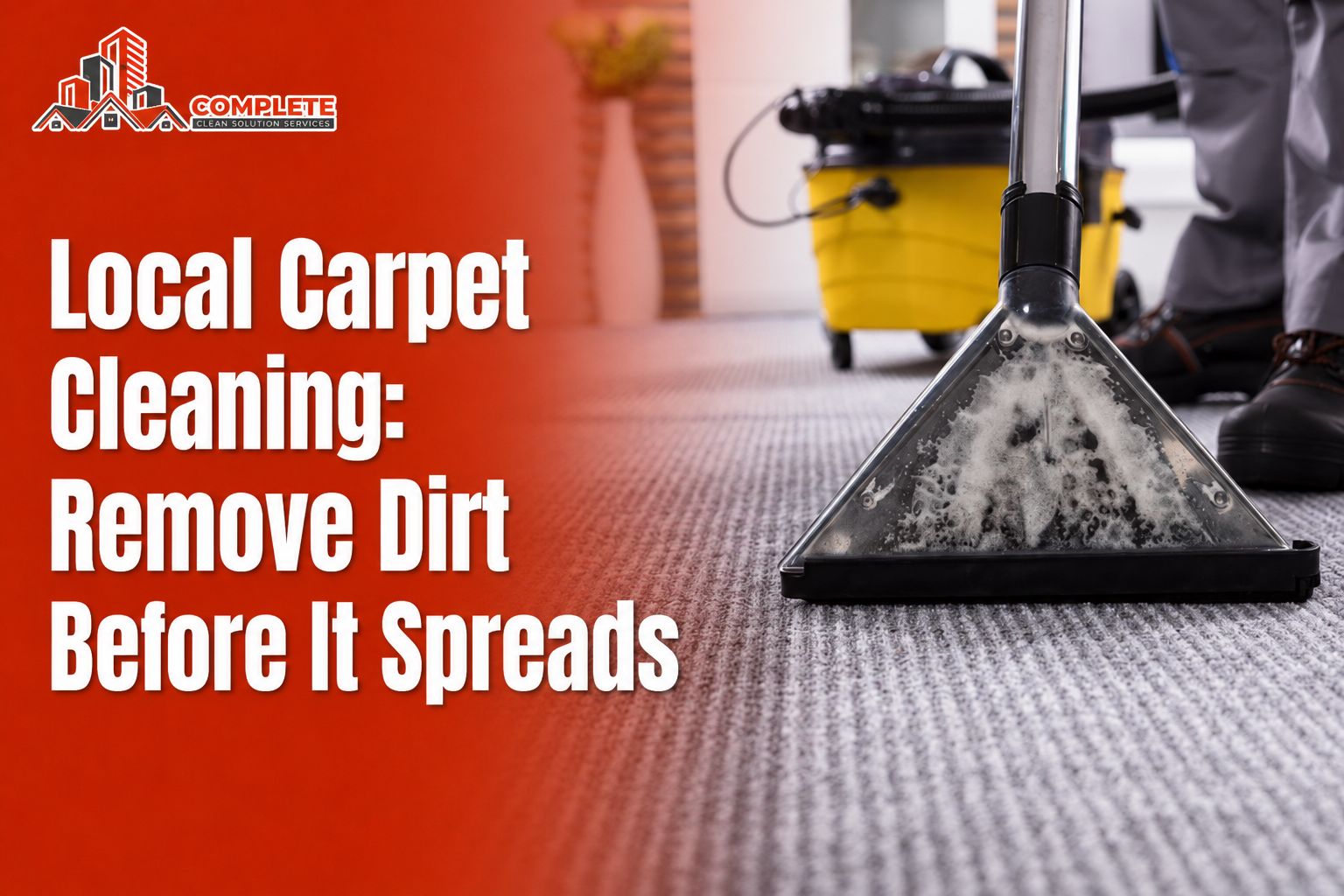
Carpet dirt rarely stays where it first lands. Shoes bring grit through busy doors. Paws track mud from paths and yards. Bags brush dust onto floors. Each step moves soil into halls and living rooms. Local carpet cleaning stops that spread before hidden dirt settles deep. A clean surface can still hide trouble below. That hidden soil keeps moving whenever people cross the room.
Waiting for dark marks or strong smells often makes care harder. Early vacuum work removes loose grit before it cuts fibers. Fast stain care also limits lasting marks. Local carpet cleaning then lifts dirt that home tools cannot reach. This practical guide explains how dirt moves. It covers vacuum steps and stain care. It also explains deep cleaning signs and ways to keep carpets fresh longer.
Where Carpet Dirt Really Begins
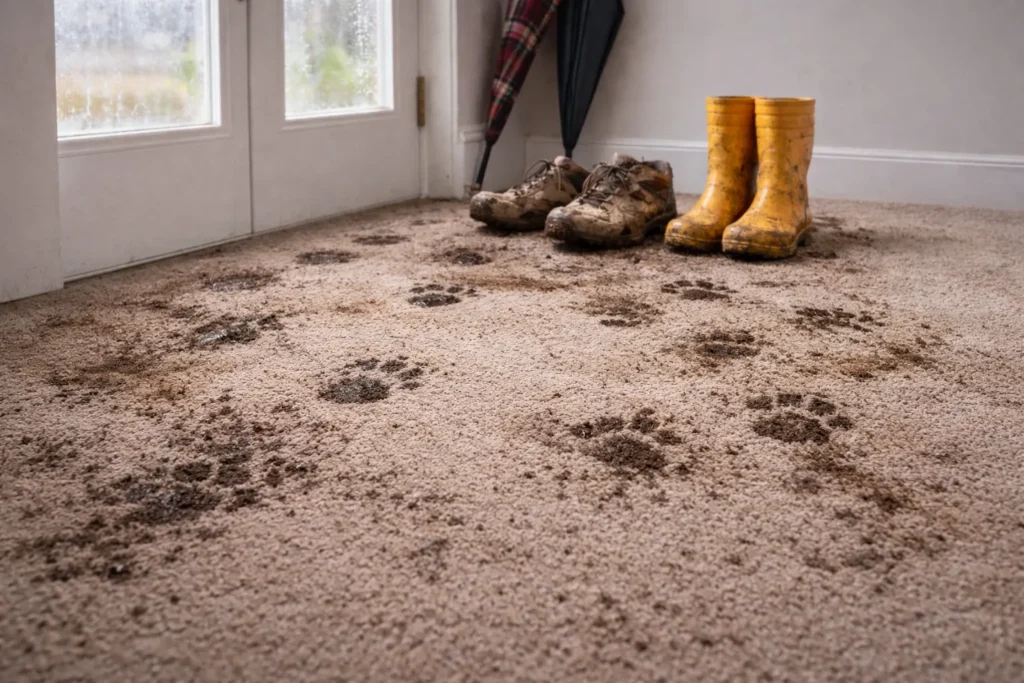
Shoes Carry More Than Visible Mud
Shoes bring fine dust before mud appears. Soil bits cling to damp soles. Sand and grit follow from paths and parking lots. Grass and road debris also move from the walks into the carpet fibers. This carpet dirt becomes embedded dirt.
Pets Create Different Carpet Problems
Pets add paw prints and loose hair to rooms. They also bring yard debris indoors. Food crumbs fall near bowls and beds. Pet spots can leave marks and odors. Local carpet cleaners treat these areas before odors spread.
Open Doors Add Airborne Dust
Open doors let dust enter without dirty shoes. Air moves soil through windows and entrances. Bags and boxes drop grit during each trip. Deliveries add more dirt near the halls and desks. Carpet cleaning Everett removes this hidden soil.
How Dirt Spreads From Room to Room
Entryway Dirt Moves With Every Step
Particles gather beside doors and entrance mats. Shoes press grit into the pile. Each step moves dirt in carpet fibers toward nearby halls. Pets and vacuum air push loose debris farther. One dirty patch soon reaches several rooms inside.
Dirt Hides Below the Visible Surface
Carpet may look clean while embedded soil remains below. Fine grit settles between fibers where vacuuming cannot reach. Hidden dirt then dulls the pile and traps soil. Deep carpet cleaning removes this load before daily movement spreads it farther.
Busy Routes Show Damage First
Busy routes show damage first. Watch the entryway to the living room path. Check halls and routes around furniture. Stairs often show darker carpet traffic lanes. Office doors and desk paths collect high-traffic carpet soil faster.
Block Dirt Before It Reaches Carpet
Build a Two-Mat Entrance System
The easiest dirt to remove never reaches the carpet. Place one mat outside each door. Add one soft mat inside. Each mat should catch steps. Vacuum both mats often. Wash them before soil builds up. This helps prevent carpet dirt.
Create a Practical Shoe Zone
Keep a shoe rack near the entrance. Offer indoor slippers for use. Place wet shoes on a spare mat. Keep a towel ready for pet paws. Give bags and outdoor gear their own spot. These habits help keep carpets clean and are part of the right home cleaning routine for reducing dirt before it reaches carpet fibers.
Protect the Busiest Carpet Routes
Use runners in halls and rugs near doors. Arrange furniture to guide paths. Add mats where they fit. Clean wet marks during rain. These carpet maintenance tips support entryway carpet cleaning and stop soil spreading.
Dirt Control Rule
Clean the entrance before cleaning the rest of the carpet.
Vacuum Before Grit Sinks Deeper
Adjust the Vacuum to the Carpet
Fast vacuuming is not always effective vacuuming. Check carpet pile height before starting. Set the vacuum head so brushes touch without dragging. Match suction to carpet type. Check brush wear and clean filters. Empty full bags or dust bins. These steps help you vacuum carpet correctly.
Use Slow Overlapping Passes
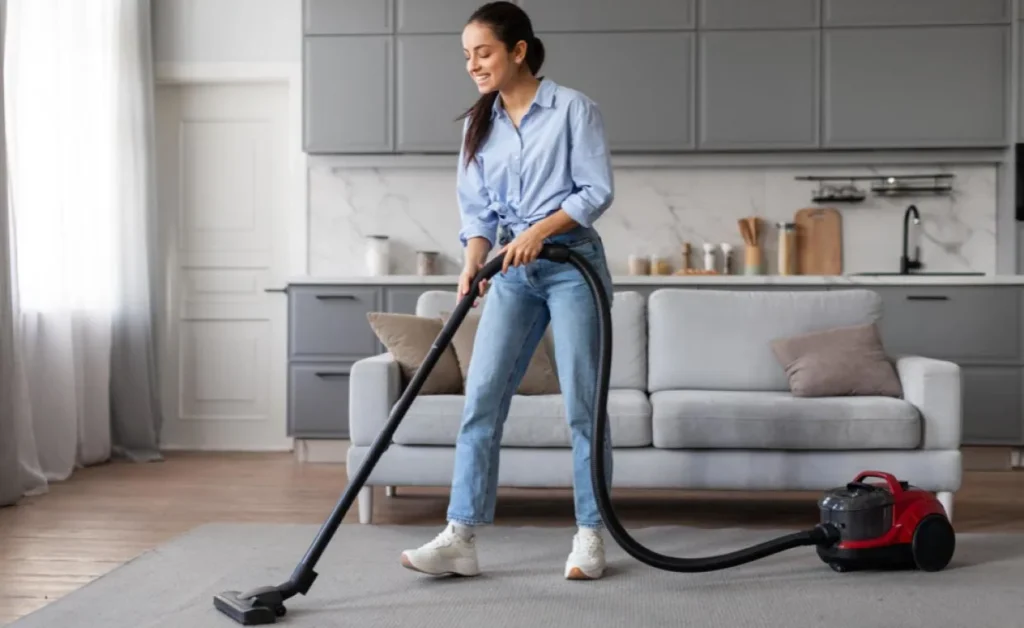
Remove large objects before each pass. Vacuum in straight lines across the room. Overlap every pass to catch missed grit. Move more slowly through busy paths. Change direction for a second pass. Use tools near furniture and walls. These carpet vacuuming tips help remove embedded dirt. Following these time saving cleaning tips can improve results without adding extra effort.
Do Not Ignore Carpet Edges
Do not skip baseboards or door frames. Vacuum under sofas and around bed frames. Clean stair edges with a small tool. Move light furniture when possible. Dust often hides behind each item. Quick vacuuming removes visible debris. Methodical vacuuming targets dirt between fibers. This supports high-traffic carpet cleaning.
Stop Spills Before They Become Stains
Remove Solids Before Treating Liquid
The first response can decide whether a spill lifts or remains. Lift food and debris with a spoon or dull tool. Work from the outer edge toward the center. This keeps the mess from moving deeper. Never press food waste deeper into the carpet while removing it.
Blot Instead of Scrubbing
Use a clean white cloth with gentle blotting pressure. Change cloth sections as they become wet or stained. Hard rubbing can spread color and harm the pile. Test each product in a hidden area first. Follow the carpet maker’s care guide before you spot clean the carpet.
Treat Different Spills Differently
Blot water-based drinks fast. Use care with greasy food. Mud should dry first. Pet spots need odor care. Makeup and ink need professional stain treatment. Carpet stain removal varies by spill. No method can remove carpet stains every time. Never mix chemicals. Test in a hidden spot.
Rescue High Traffic Carpet Lanes
Identify Your Home Traffic Map
Check the main doors and long halls for dark carpet lanes. Look closely at the stairs and the living room paths. Study routes around beds and near kitchen doors. Watch areas often used by pets. These high-traffic carpet areas show where soil and wear build first.
Clean Busy Areas More Often
One cleaning plan rarely suits every room. Busy zones need more vacuum work and faster stain care. Clean furniture edges before soil packs beside them. Book professional carpet cleaning when home care stops lifting grime. Early work can limit carpet discoloration. A professional carpet cleaning service can also help restore heavily used areas before permanent wear develops.
Reduce Uneven Carpet Wear
Move furniture when space allows. Rotate rugs so pressure shifts across the floor. Change fixed walking paths where practical. Protect narrow halls with suitable runners. Clean busy routes before marks turn severe. Small practical changes spread wear and help the carpet keep a more even look.
Know What DIY Cleaning Can Handle
Suitable Tasks for Homeowners
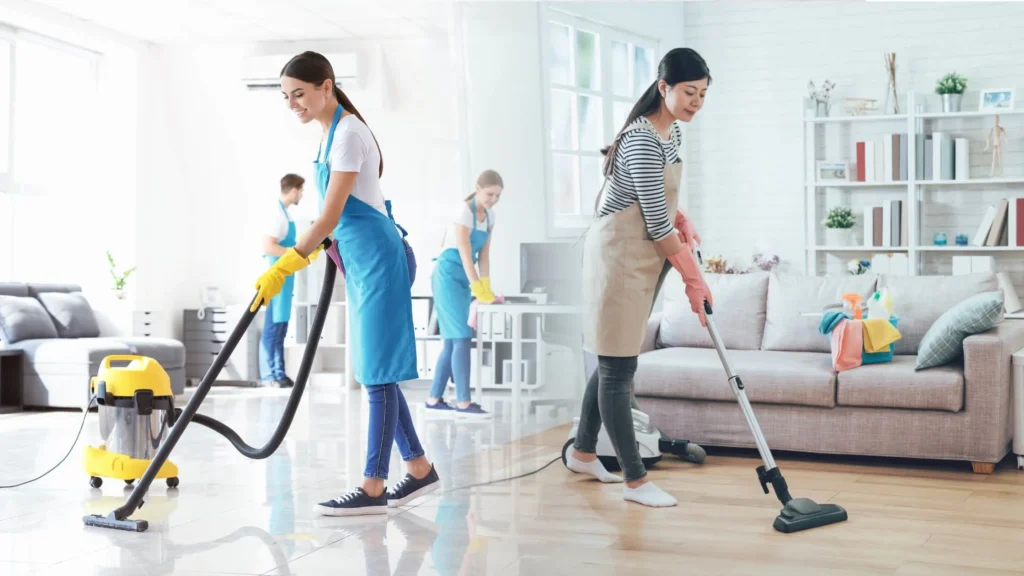
DIY care is useful, but not every carpet problem is a DIY problem. Homeowners can handle routine vacuuming and loose debris. Fresh spills need quick blotting and light spot care. Clean entrance mats often. Keep low-traffic rooms fresh with care. These simple habits support overall home maintenance cleaning throughout the year.
Problems That Need Greater Care
Old stains and strong odors need greater care. Watch for dirt returning after drying. Large zones need checks. Get help for soaked carpet and unknown fibers. Delicate rugs and heavy pet buildup may need expert care. This matters when weighing DIY vs professional carpet cleaning.
Common DIY Cleaning Mistakes
Common carpet cleaning mistakes make soil harder to remove. Too much soap leaves residue. Excess water slows drying and may cause odors. Hard scrubbing harms fibers. Never skip vacuuming before using a carpet cleaning machine. Rinse well. Avoid damp carpet. Replace furniture after full drying.
What Professional Cleaning Removes
Loose Soil and Embedded Debris
Professional carpet cleaning uses tools to lift soil left by home vacuums. Deep carpet cleaning reaches the grit packed below the top pile. It removes loose debris trapped around thick fibers.
Stains Requiring Targeted Treatment
Food spots need different care from grease or mud. Pet marks and dark lanes may need to be set for treatment. Old soap can hold soil. Carpet stain removal services cannot remove every fixed mark.
Odor Sources Within the Carpet
A fresh scent may hide odor for a short time. Carpet odor removal targets the source within the fibers or carpet backing. This matters when smells return after basic cleaning.
Product Residue From Earlier Cleaning
Too much soap can leave the carpet stiff. Sticky residue may pull dirt back after drying. Proper rinsing helps stop that return. It leaves the pile softer.
Dirt Along Edges and Hidden Routes
Soil often hides beside baseboards and furniture lines. Corners and carpet joins trap grit. Hidden paths near doors need close care during each visit.
Inside a Proper Local Carpet Cleaning Visit
Good cleaning starts with a look at the carpet. Spraying first can create work later.
Step 1: Carpet Inspection
The cleaner checks fiber type and worn areas. Stains and smells get marked before any product touches the floor. Busy paths and furniture shape the plan.
Step 2: Dry Soil Removal
Dry grit gets lifted first. Wetting loose soil can turn it into paste. That is not progress.
Step 3: Spot and Traffic Treatment
Each mark gets the pre-treatment. Heavy paths may need dwell time before cleaning begins.
Step 4: Carpet Cleaning Method
The method depends on fiber type and soil load. Room use and drying needs also matter. Steam carpet cleaning may suit some rooms. Other carpets need a gentler method.
Step 5: Extraction and Rinsing
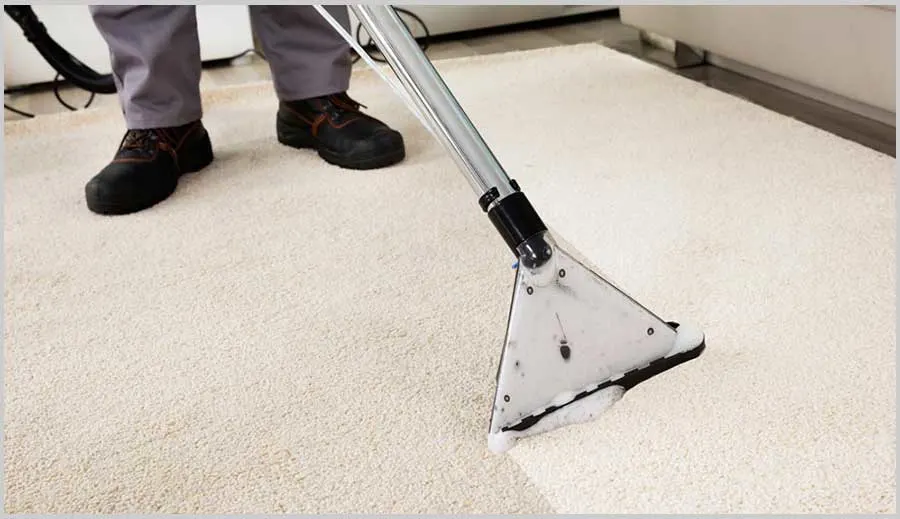
Hot water extraction lifts loosened dirt and soap. Proper rinsing helps stop sticky residue from drawing soil back.
Step 6: Drying and Final Review
Fans and open air help the carpet dry. The cleaner checks the treated spots again. Furniture returns only when the carpet is ready. Care tips help keep new dirt under control.
How Often Should Carpets Be Cleaned?
Carpet cleaning frequency should follow use, not a fixed calendar. A guest room needs routine vacuuming and checks. A busy living room needs frequent vacuuming and planned deep cleaning. Homes with pets need hair, spot, and odor care. Entryways need strong dirt control.
Offices need traffic-based care. Fresh stains need a spot check. Regular house cleaning routines should follow the direction the rooms face. Recurring carpet cleaning helps busy zones manage. A carpet maintenance schedule should change when room use changes.
Factors That Change Cleaning Frequency
How often to clean the carpet depends on several factors. Count the people, children, and pets. Indoor shoes and wet weather bring more soil. A light carpet may show marks sooner. A thick pile can hide grit longer. Allergies may call for closer care. Business traffic and old spills also change the plan. No single time gap suits every property.
Choose the Right Local Carpet Cleaner
Ask About the Cleaning Process
A nearby business is not always the right local carpet cleaning company. Ask whether the inspection comes before the treatment. Learn how stains get checked. Confirm the cleaning method and dry soil removal. Ask about drying time. Make sure products match carpet type.
Check Service Fit
Check whether the company handles homes and work sites. Ask about rugs and stairs. Mention pet spots and busy paths. Confirm support for one visit or recurring care. Local carpet cleaning should match property needs. It should not force one fixed plan. Companies offering customized cleaning services can better address different carpet types and cleaning requirements.
Look Beyond the Cheapest Quote
Do not pick carpet cleaners near me by price alone. Read trusted local reviews and study written service details. Look for clear replies and useful care advice. Compare carpet cleaning Everett, WA, options carefully. Complete Clean Solutions LLC provides residential and commercial carpet cleaning in Everett. The team also serves nearby areas.
Conclusion
Dirt often enters through doors and other busy access points. Foot traffic then carries those small bits into nearby rooms. Regular vacuuming removes loose soil before it settles deeper. Fast spot care also limits stains before they spread. These simple steps keep carpet care easier and more effective. They also protect busy paths from early wear and dull marks. Complete Clean Solution recommends following a consistent carpet cleaning routine to help extend carpet life and maintain a cleaner, healthier home.
Local carpet cleaning helps remove built-up soil before it spreads through more rooms. It also targets residue odors and dark traffic lanes. Professional care works best with good daily habits. Clean mats and dry shoes help results last longer. Quick action now can prevent harder work later. A steady care plan keeps fibers cleaner and rooms more inviting.
FAQs
Vacuuming removes loose dust, hair crumbs, and grit near the surface. It also supports regular care. Yet deep soil stains, odors, and old soap may stay below. These problems often need a stronger cleaning method.
Carpet may soil fast when soap stays in the fibers. Weak rinsing can leave dirt behind. Dirty doors, shoes, damp use, and heavy traffic add more. Poor vacuum habits also let the grit spread again.
Yes. Dry soil should leave before wet work begins. Water can turn loose grit into muddy waste. Good vacuum work also helps cleaners treat stains and busy paths with less dirt blocking the cleaning step.
Drying time depends on the method and carpet depth. Airflow, heat, room dampness, and water use also matter. Thin carpet may dry faster. Thick carpet or humid rooms may need much more time before use.
Many stains can fade or lift with expert care. Results still depend on age and stain type. Dye loss, fiber harm, and past chemical use may stop full removal. Honest cleaners explain those limits first.