
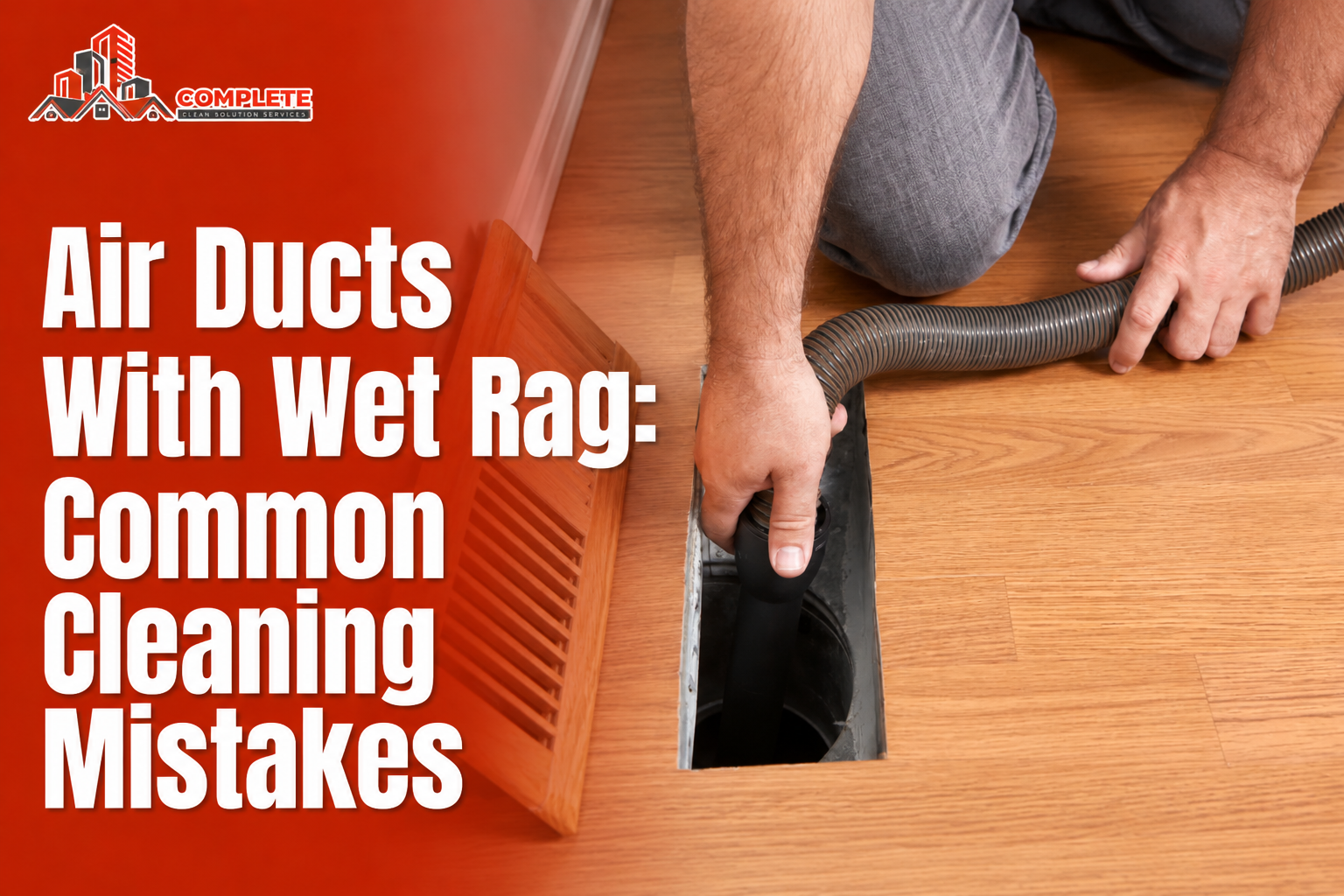
Dust around an air vent can catch your eye fast. Many people grab a cloth right away. Using air ducts with a wet rag may seem like a quick fix. A vent cover is safe to wipe after you remove it. Still, a damp cloth inside the duct can leave moisture behind. It can also push dust deeper or harm some duct parts over time.
Now let’s see what surface cleaning can really do. This guide points out common air duct cleaning mistakes and shows safe ways to clean vent covers. You will learn what home care can handle and what it cannot. You will also see when a full duct check makes sense. That helps protect airflow and keeps your system working as it should.
Why a Wet Rag Cleans Only the Surface
A clean grille does not mean a clean duct system. A damp cloth can remove dust from clean vent covers made of metal or plastic. That helps the part you can see. Still it does not clean the path where air moves each day. Dust can stay deep inside the system. A family once wiped every vent before guests came. The home looked fresh. Later a full check found heavy dust inside the hidden air paths.
The first few inches near the opening may look clean. That can give a false sense of success. The blower area coils and other parts still collect dirt over time. Cleaning air ducts needs more than a quick wipe. Many dirty air vents begin with dust that builds far beyond the visible opening. Surface care helps appearance but not the full system.
Vent Covers and Ducts Are Different
A vent cover or register is the part you see and remove for basic care. A supply duct moves clean air into each room. A return duct pulls used air back to the unit. The main trunk line links these air paths together. Knowing each part helps you clean the right area and avoid work that only looks complete.
Moisture Can Create a Bigger Problem
Adding water to hidden ductwork can create a problem that is harder to see. A cloth should never drip near a vent opening. Even a small amount of moisture inside air ducts can move into seams or duct lining. It can also reach nearby wall parts or insulation. A homeowner once wiped deep inside a vent with a wet cloth. Days later, the area still felt damp because fresh air could not reach that hidden space. This is why home maintenance cleaning should always focus on preventing moisture problems instead of creating new ones.
Dust mixed with water often sticks to surfaces instead of lifting away. That makes later cleaning harder. Wet fiberglass insulation or lined ducts need special care. If you find stains or signs of leaks, fix the source first. Good HVAC vent cleaning starts with a dry system. Covering a water problem with surface wiping will not solve the real cause.
Damp Is Not the Same as Soaked
A lightly damp cloth can clean a vent cover after you remove it. That is very different from using wet air ducts or pushing water into the opening. Never spray water inside the duct. Hidden areas dry much more slowly than open spaces. That can leave moisture where you cannot see or reach.
Cleaning Only Vent Covers Misses the System
The most visible component is not always the source of the debris. Many people wipe the vent cover and feel the job is done. The surface may look fresh. Still the rest of the system keeps moving air every day. Clean air vents alone cannot remove dust from the blower air filter or hidden duct paths. One family cleaned every room vent each month. Fine dust still returned because the real buildup stayed deeper inside the system. A complete right home cleaning routine always includes more than the visible vent covers.
Each part has a job. Supply and return vents move air through the home while filters catch many small particles. Return grilles often collect more dust because air flows toward them. A full check helps show if the dirt is only on the grille or spread through the system. Good care looks beyond the part you can see.
Why Dust Quickly Returns
Dust often comes back for simple reasons. A dirty filter can no longer trap small particles. Air leaks may pull dust from wall spaces. Home projects can leave fine debris behind for weeks. In many homes, the first wipe only removes surface dirt. Complete HVAC system cleaning starts by finding the true source before more dust spreads through the air.
Never Clean Vents While HVAC Is Running
Always turn the heating or cooling system off before you remove a vent cover. Wait until all airflow stops before you begin HVAC vent cleaning. If air is still moving, it can pull loose dirt deeper into return paths. It can also blow dust back into the room. One homeowner cleaned a vent during a cooling cycle. Dust spread across nearby furniture within minutes. Following these time saving cleaning tips can also help prevent extra cleanup later.
Keep screws, cloths, and small tools away from the open duct. A dropped item can be hard to remove and may affect airflow. Place the vent cover back in the right spot before turning the system on again. These simple steps help clean air vents safely and lower common problems during home care. If you are not sure how to stop the system, ask a trained service worker instead of guessing.
Avoid Common Errors During Vent Care
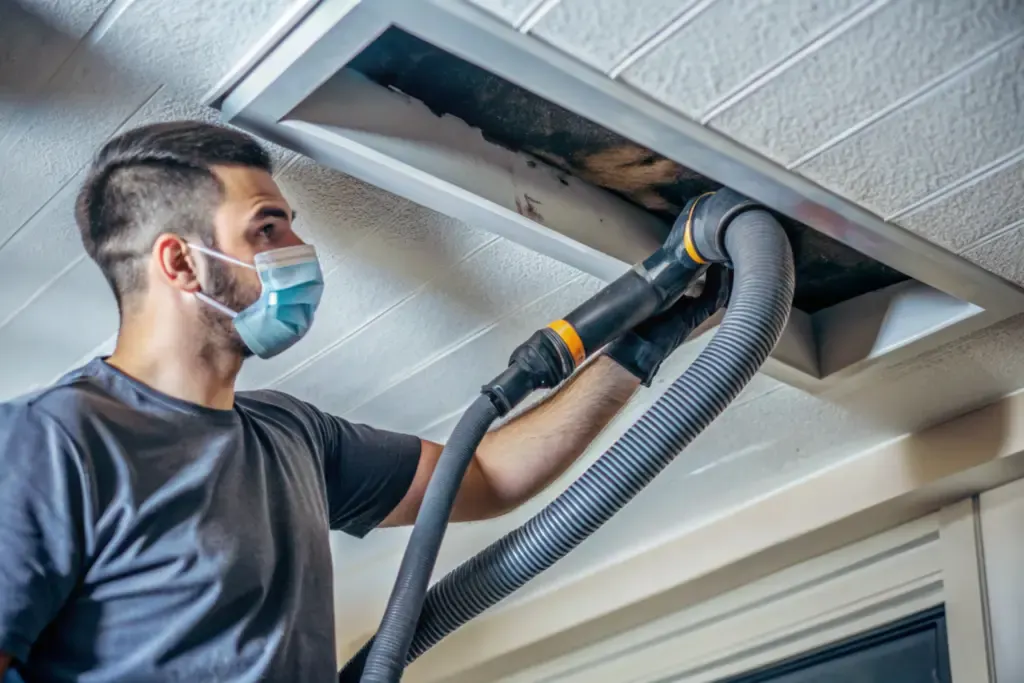
Many AC vent cleaning mistakes happen because people rush the job. Airflow can carry loose dust farther into the system before you finish. A cover that is not put back in place may also affect how air moves. Slow, careful work gives better results and helps keep the system protected.
Harsh Products Can Damage Duct Materials
Many people think a stronger cleaner gives better results. That is not always true. Some air duct cleaning products can leave residue inside areas you cannot reach. Others may affect paint glue, duct lining, or soft duct parts. A property owner once poured a scented cleaner into a vent. The fresh smell faded, but sticky dirt stayed inside the air path.
Use only the care method listed for the vent cover when one is given. Wash removable covers away from the duct and let them dry fully before putting them back. Never mix bleach with other cleaners. Safe air vent cleaning protects both the cover and the hidden HVAC duct materials. Surface products made for kitchens may not suit parts inside an air system.
Fragrance Does Not Remove the Source
A fresh smell does not mean the duct is clean. Scent can cover stale odors for a short time. Dust and debris may still remain deep inside the system. Real cleaning removes the source instead of hiding it with a stronger smell.
Do Not Push Loose Dust Deeper Inside
Moving debris is not the same as removing it. A cloth tied to a stick may come loose inside the duct. Simple brushes can also push dirt beyond the part you can reach. Hard scrubbing may harm soft duct lining or flex ducts. A homeowner once taped a rag to a pole to reach farther. The cloth slipped off and stayed inside the duct. Many DIY air duct cleaning methods create more work instead of solving the problem.
A home vacuum can only reach a short distance. It cannot remove dirt from long-hidden air paths. Loose dust should be captured instead of pushed farther inside. Avoid leaf blowers, compressed air or unknown spinning tools. These methods can spread debris or damage duct parts. Good results depend on the right air duct cleaning tools and careful work instead of force.
Collection Matters More Than Movement
The goal is to remove dust instead of shifting it. A simple attempt to vacuum air vents only helps near the opening. Full cleaning uses controlled brushing with strong vacuum collection. This method lifts dirt and captures it before it spreads through the system.
Filters and Return Vents Need Attention
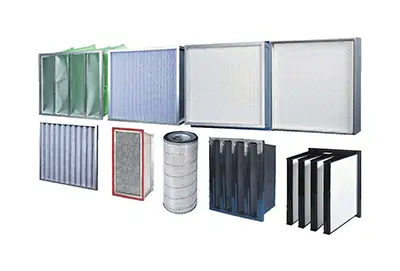
Repeated vent dust may begin somewhere other than the supply opening. Fresh dust on a vent does not always start there. Check the HVAC air filter using the guide for your system. Make sure it fits the frame the right way. Do not choose the thickest filter unless the system supports it. One homeowner changed to a heavy filter without checking. Airflow dropped and dust still returned because the real cause stayed the same. This kind of inspection should be part of regular house cleaning to help reduce dust throughout the home.
Vacuum dust around return grilles that you can reach. Keep rugs chairs, curtains and stored items away from these openings. Look for loose or damaged vent covers that may affect airflow. If dirty air vents keep coming back the cause may be air leaks or dust from recent building work. Regular return vent cleaning helps, but it cannot solve every hidden problem.
Cleaning cannot Fix Every Airflow Problem
Dust buildup is only one possible issue. Leaks, damaged ducts, or poor system design can also affect airflow. Wiping vents and changing filters will not fix those problems. When dust returns again and again, a full inspection can help find the real cause before more time is wasted.
Mold Is Not a Normal Cleaning Job
Dark marks around a vent should be checked before anyone wipes them away. A black or gray mark does not always mean mold in air ducts. Dust, soot, water stains, and old duct parts can look much the same. A property owner once wiped dark spots from a vent and thought the problem was gone. Weeks later, the marks returned because a hidden water issue was never found. Removing the mark does not remove the real cause.
A musty smell from vents or water stains may point to a problem that needs a closer look. Wet-lined ducts or wet duct insulation may need repair or replacement instead of simple wiping. The source of moisture must be fixed first, or the issue may return. Do not assume any dark area is mold without proper checks. Cleaning alone cannot solve every hidden moisture problem.
Hidden Moisture Needs More Than Surface Cleaning
- Surface wiping only removes what you can see.
- Water leaks must be found and fixed first.
- Damp duct lining may need repair or replacement.
- Wet insulation can hold moisture for a long time.
- Dark marks that return need a closer inspection.
- A musty smell may point to a hidden moisture source.
- The real cause should be fixed before more cleaning.
What Safe DIY Vent Cleaning Can Handle
Simple care can keep vents neat without adding new problems. Good DIY vent cleaning focuses on parts you can reach with ease. A homeowner who cleaned only the vent cover and changed the filter each season kept dust under control. They avoided pushing tools deep into the duct and prevented extra cleanup later.
Safe Tasks You Can Do
- Turn off the heating or cooling system first.
- Take a photo before you remove the vent cover.
- Remove the cover with care.
- Use a vacuum with a soft tool for loose dust.
- Wash clean vent covers only if the material allows it.
- Dry the cover fully before putting it back.
- Clean the first part of the vent opening only.
- Do not force the vacuum hose farther inside.
- Put the cover back in the right position.
- Check or replace the filter as the maker advises.
- Wipe dust from the wall, ceiling or floor near the vent.
- These steps show how to clean air vents with care.
Tasks to Avoid
- Do not add water inside the duct.
- Do not scrub deep with homemade tools.
- Do not spray cleaners into the duct.
- Do not disturb damaged duct lining or insulation.
- Do not try to remove suspected mold on your own.
When Professional Duct Cleaning Makes Sense
Most homes do not need a full duct cleaning every year. The best time for professional air duct cleaning is when clear signs show a deeper problem. A family finished a large home update and soon noticed fine dust blowing from vents. A full check found building debris inside the duct system. Simple vent care could not remove it. In many cases, a trusted carpet cleaning service may also recommend duct inspection because both can affect overall indoor cleanliness.
Signs That Need a Closer Check
- Heavy debris blocks parts of the duct.
- Dust blows from supply vents during normal use.
- Rodents or insects entered the duct system.
- Testing confirms contamination.
- Building work left debris inside open ducts.
- Water-damaged duct parts.
- Basic vent cleaning does not solve the issue.
- Soft duct parts could be harmed by home tools.
- The full system needs an HVAC duct inspection.
What Proper Cleaning Should Include
A good cleaning starts with a full check before any work begins. The home should stay protected during the job. Workers should use safe access points with controlled brushing and strong vacuum collection. They should also clean the needed HVAC parts before a final review. Quality air duct cleaning services focus on the whole system instead of only the visible vents while offering customized cleaning services based on the home’s specific condition.
Clean the Right Part the Right Way
A wet rag can make a removable vent cover look clean. Still, it cannot clean the full HVAC system. Real care means knowing what you can clean and what should stay untouched. Keep water out of ductwork. Avoid homemade tools and strong cleaning products. Fix leaks and other hidden problems instead of covering them with quick surface cleaning. Good vent care starts with safe steps and careful choices.
If dust keeps coming back or signs of damage appear, do not ignore them. Dirt deep inside the system needs more than a simple wipe. A careful inspection can help find the real cause before the problem grows. Trust Complete Clean Solution to identify hidden issues and help keep your system clean and working efficiently.
FAQs About Air Duct Cleaning Mistakes
Use a lightly damp cloth only on a removable vent cover. Never push a wet rag or water into the duct because trapped moisture may cause more problems.
Yes. Vacuum only the area you can safely reach. A home vacuum helps remove surface dust, but cannot clean the full duct system completely.
There is no fixed cleaning schedule. Service depends on visible debris, water damage, renovation dust, pest activity, or other clear signs inside the system.
It may help when ducts contain heavy debris. Still, indoor air quality also depends on filters, airflow, home dust, and other conditions beyond ducts.
Do not assume every dark mark is mold. Find the moisture source first and seek proper inspection before cleaning or replacing affected duct materials.